Most design trend lists are useless because they describe surfaces. A colour, a shape, a finish that will look dated in eighteen months. The trends worth paying attention to are the ones changing how villas are planned, because those decisions are expensive to reverse.
These are the shifts the studio is actually seeing in briefs across Cairo and New Cairo, and an honest note on which of them will last. They are read against what actually appears at Salone del Mobile rather than against a colour forecast.
1. The lower ground floor becomes the best floor
Basements were storage, plant rooms and occasionally a cinema nobody used. Increasingly they are the most considered floor in the house: pools, spas, gyms, bars and family rooms, planned as destinations rather than leftovers. The Villa Basement Spa & Pool in New Cairo was exactly that brief.
It works because a windowless floor forces the lighting to be designed properly, and a properly lit room without daylight can be more atmospheric than a bright one. The requirement is real investment in ventilation, humidity control and layered light. Done cheaply it feels exactly like a basement.
Will it last? Yes. This is a change in how floor area is valued, not a look.
2. Quiet material luxury over visible ornament
The high-gloss, heavily gilded villa interior is receding. What is replacing it is quieter and, done properly, more expensive: honed stone rather than polished, matt lacquers, plaster finishes, solid timber with visible grain, and metalwork that patinates rather than plating that chips.
The trap is that restraint has nowhere to hide. When there is no ornament to distract the eye, every junction, shadow gap and reveal has to be right.
Will it last? The materials will. The specific palette will move.
Restraint is not cheaper. It just moves the cost from decoration into detailing.
3. Zoned open plans, not undivided ones
The reaction against fully open ground floors is well underway. Nobody wants the walls back, but the appetite for one enormous undifferentiated room has gone.
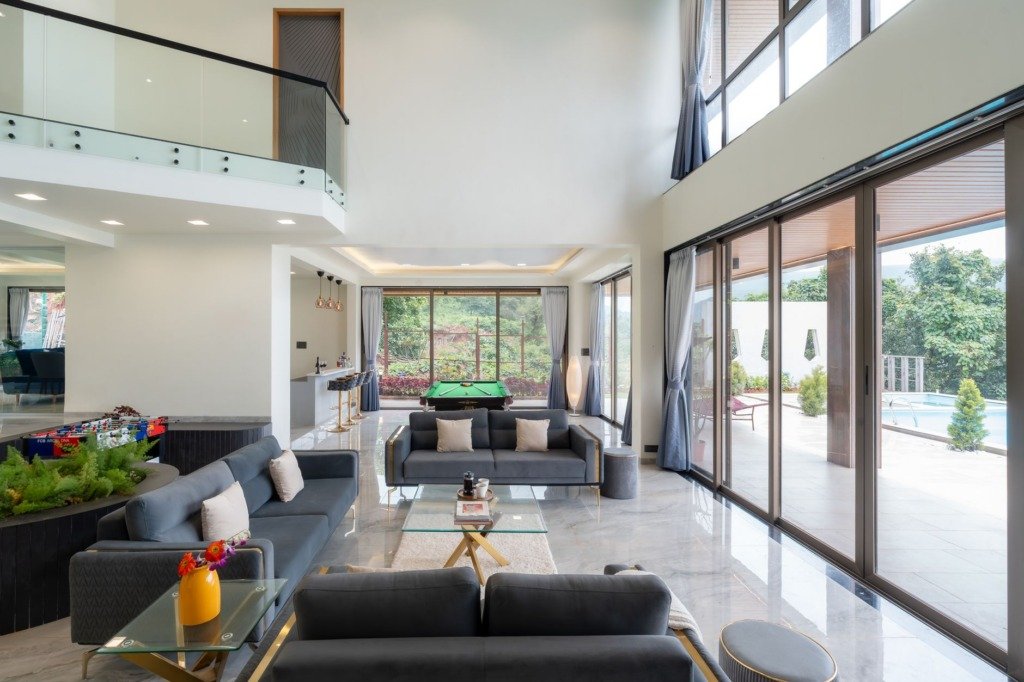
What is being asked for instead is a plan that is open in sightline but zoned in use: a broken-plan kitchen with a pantry behind it, a snug that can be closed, a dining area defined by ceiling and light rather than partition. Acoustics are finally part of the brief.
Will it last? Yes. It is a correction, not a fashion.
4. The home office stopped being temporary
The corner of the bedroom with a laptop on it has become a properly planned room: acoustic separation, a considered background for calls, real task lighting, storage designed for the equipment, and a door that closes.
The detail most often missed is what is behind the chair. It is on camera for several hours a day and deserves the same attention as a fireplace wall.
Will it last? Yes, and it now affects resale.
What Changes the Brief for a Villa
The household comes before the trend
A trend only helps if it suits the people who will live with it. A family with young children, a couple who entertain often and a household with several generations under one roof will each use the same floor plan very differently. Tell the studio who lives in the house, who visits and how the week actually runs, and the shortlist of trends shrinks quickly.
The plot and its orientation
Where the sun falls on the villa decides which rooms are comfortable and which are not. A terrace facing the afternoon sun needs a different answer from one in shade, and a large window on the sunny side changes the cooling load and the choice of glass and curtains. These points shape the plan long before any finish is picked.
Planning Order That Protects the Budget
Villas go wrong when decisions are taken in the wrong order. Finishes are chosen first because they are enjoyable, and then the plan, services and joinery have to bend around them. A safer order moves from the fixed to the changeable.
- Layout and room functions, including the lower ground floor
- Services: cooling, ventilation, electrical and lighting positions
- Joinery and built in storage with drawings
- Stone, tiles and permanent surfaces
- Furniture, curtains and decorative lighting last
Why services come before finishes
Concealed lighting, motorised shading and hidden speakers all need routes behind the walls and ceilings. Once those are closed, every change means opening up finished work. Agree the lighting scenes and technology early, even if the products themselves are chosen later.
Materials and Climate in New Cairo
Stone, timber and metal in strong sun
Honed stone, solid timber and patinated metal suit the quiet look many clients ask for, but they behave differently outdoors and indoors. Timber near large glazed doors can move with heat and dryness, and some stones stain easily around kitchens and bars. Ask for samples and test them in the room, in daylight and in evening light, before ordering the full quantity.
Humidity and air in lower floors
A spa, pool or gym below ground makes ventilation and humidity control part of the design, not an extra. Choose finishes that tolerate moisture, and make space for the equipment and access panels so they do not end up in the middle of a feature wall.
Comparing Quotes and Lead Times
Two quotes for the same villa are rarely comparable unless they are built on the same drawings and the same specification. When a figure looks far lower than the others, check what has been left out: joinery details, lighting, site supervision or the quality of the stone.
- Ask every supplier to price from the same drawings
- Check what is included: delivery, installation and protection
- Ask which items are imported and which are made locally
- Confirm who is responsible if an item arrives damaged or late
Lead times matter most for imported stone, bespoke joinery, special glass and lighting. Order these first and let the programme follow them, rather than discovering at the end that a single item holds up the handover.
What to Prepare Before the First Meeting
- Architectural drawings or a survey of the villa
- Photographs of the plot, views and each floor
- A short list of rooms and who uses each one
- Images you like and, just as useful, images you dislike
- Your budget range and your preferred handover date
With these in hand, the first conversation can move straight to decisions instead of collecting basic information.
Frequently Asked Questions
Should I follow these trends in a rental or resale villa?
Stay with the ones that change the plan, such as better zoning and a usable lower floor, and keep surfaces neutral so a buyer or tenant can add their own taste.
Can a trend be added to a villa that is already built?
Surface and lighting changes usually can. Structural changes such as arches or a new lower floor use need an engineer and the relevant approvals.
How early should I involve a designer?
Before the layout and services are fixed. That is when the most valuable decisions are still open and cheap to change.
Can the studio work with me from outside Egypt?
Yes. Drawings, photographs and video calls cover most of the design stage, and site coordination can be arranged around your visits.
Is restraint really cheaper than ornament?
Not usually. It moves the effort from decoration into detailing, so expect to spend on precise joinery and good installation.
Before adopting anything from a trend list, ask whether it changes the plan or only the surface. Plan changes are worth committing to. Surface changes can wait until you are certain.
You will find a related discussion in Lighting: The Layer Most Homes Get Wrong, which covers similar ground from a different angle.
5. Curves, used structurally
Arched openings, curved joinery and rounded seating are everywhere. Used as architecture, an arched opening between two rooms softens circulation and will still read well in twenty years. Used as decoration, an arch-shaped mirror above a curved sideboard beside a rounded rug will date precisely as fast as it arrived.
Will it last? The structural version will. The decorative version will not.
6. Integrated rather than visible technology
Scene lighting, motorised shading, concealed speakers and hidden charging are now expected rather than exceptional. The design consequence is that first-fix coordination matters more than ever, because almost all of it is invisible and therefore has to be exactly right before the ceilings close.
Will it last? The infrastructure will. The interfaces will be replaced twice.
7. Outdoor rooms, not outdoor furniture
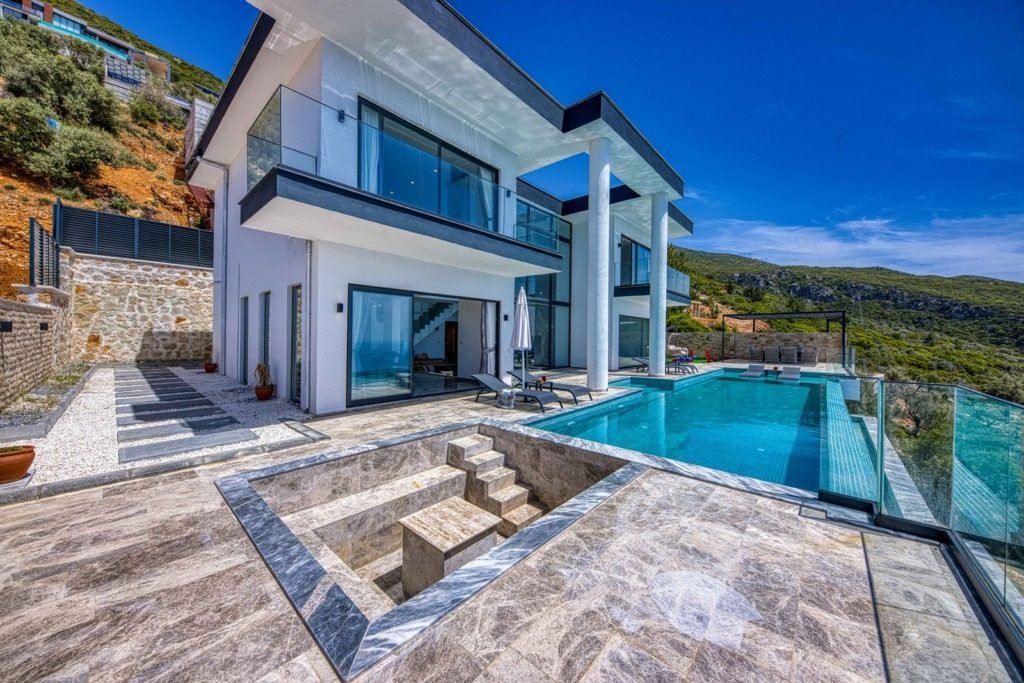
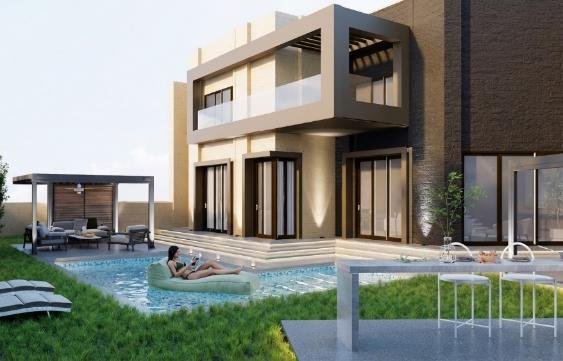
Terraces are being designed as rooms: shaded, lit for evening use, with outdoor kitchens, proper seating and materials that continue the interior palette rather than switching to a separate garden vocabulary.
The decision that matters is lighting. A terrace without a designed evening scheme is used for a few hours a day. With one, it is used every night, which is why the terrace on the Villa Exterior Project was lit before it was furnished.
Will it last? Yes.
What we would ignore
- Colour of the year announcements. Paint is the cheapest thing to change, so there is no need to predict it.
- Full-height fluted panelling on every wall. It is already saturated.
- Anything requiring a specific proprietary product to be available in five years.
Planning a villa?
If you are at the planning stage, the items on this list that affect the plan are the ones worth deciding now. Send the drawings and we will tell you which of them your house is already set up for.

Free guide
Choosing Materials That Last in a Cairo Home
Leave your details and we will email you the guide on this subject straight away.
One guide, no repeat mailings.
Your guide is on its way
Check your inbox in a few minutes. If it is not there, look in your spam folder.