Interior finishes that age well in Cairo homes are the ones chosen for how they wear, not just how they look on day one. There are two kinds of finish. One looks its absolute best on the day it is installed and every day afterwards is a slow decline. The other starts good and becomes more itself as it is used. Choosing between them is not about budget. Some of the most expensive surfaces available belong firmly in the first category. In Cairo, dust, strong sun and hard water are all part of that test.
Getting this right is one of the reasons clients bring us in for Residential Interiors rather than handling it themselves.
Interior Finishes That Age Well in Cairo: Materials That Improve With Wear
- Solid timber, which develops depth where hands and light reach it, and can be sanded back rather than replaced
- Natural stone with movement in it, where a mark reads as part of the pattern rather than damage
- Unlacquered brass and aged metals, which are designed to change and look wrong when they are not allowed to
- Lime and mineral finishes, which soften rather than chip
- Wool and linen, which relax into shape instead of losing it
Materials that peak on day one
- High gloss anything, which is a record of every fingerprint and every cleaning cloth
- Pure white grout in a working kitchen or a family bathroom
- Very dark matte cabinetry, which is beautiful and shows dust, oil and every wipe mark
- Thin veneers on high traffic edges, where one chip cannot be repaired invisibly
- Delicate pale upholstery in a house with children or a dog, unless the covers come off
None of the second list is forbidden. Several are worth choosing anyway. The point is to choose them knowingly, in the places that can carry them, rather than discovering the maintenance afterwards.
Ask how a material fails, not just how it looks. Everything fails. What matters is whether it fails gracefully.
You will find a related discussion in 2026 Interior Design Trends for Villas in New Cairo, which covers similar ground from a different angle.
Four tests worth doing before committing
- The sample test. Take the sample home and leave it in the actual room for a week. Look at it at seven in the morning and at nine at night, under your own lighting, not a showroom ceiling
- The abuse test. Ask the supplier what happens with oil, red wine, hot pans, sun and standard cleaning products. A supplier who is comfortable answering is telling you something
- The repair test. If one section is damaged in year three, can it be repaired, refinished or replaced without redoing the whole run
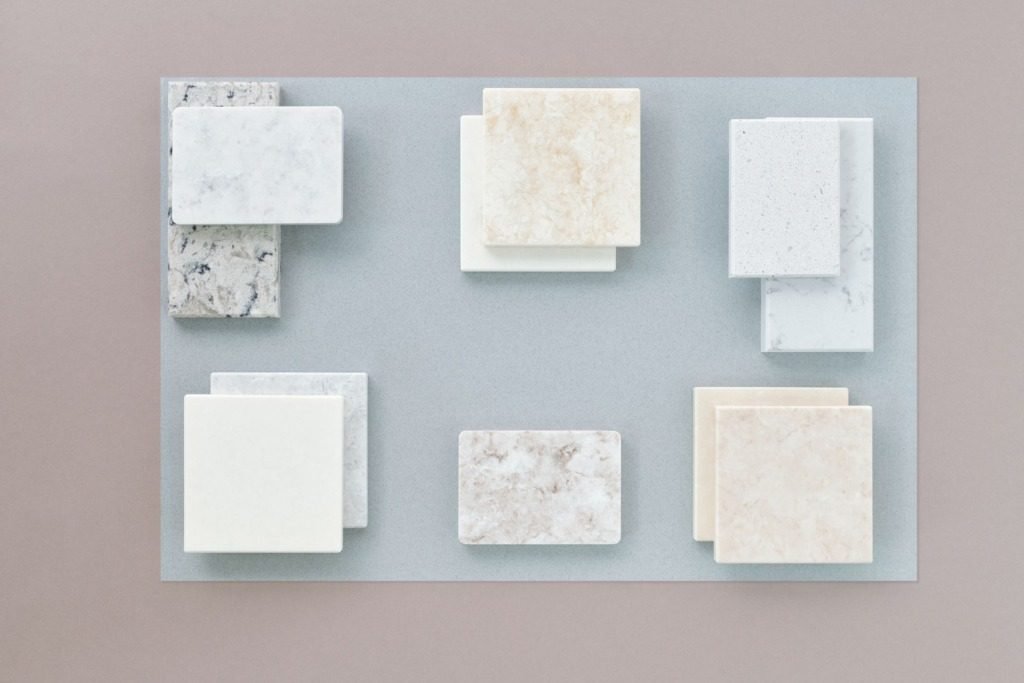
- The scale test. Judge a pattern from a piece large enough to show its repeat. Stone and timber in particular behave very differently at sample size and at wall size
Where to spend and where to hold back
Spend on the surfaces that are touched and the ones that would be disruptive to replace. Floors, worktops, ironmongery, the joinery you open every day. Hold back on the surfaces that are seen but not handled, and on anything decorative that you may want to change deliberately in a few years.
That is not a rule about cost. It is a rule about disruption. Replacing a rug is an afternoon. Replacing a floor is a project you will postpone for years while disliking it daily.
The five year question
Before signing off any finish, ask one thing. In five years, with normal life having happened to it, will this look worn or will it look neglected. Worn is a finish doing its job. Neglected is a finish that only ever had one good state, and lost it.
How Cairo Conditions Test a Finish
Dust and Daily Cleaning
Fine dust settles on every surface in a Cairo home, and it shows most on dark, glossy and very smooth finishes. A finish with a little texture or a softly varied tone hides dust between cleans, so it looks tidy for longer without constant attention.
Strong Sun and Fading
Sunlight through south and west windows changes colour over time. Fabrics, timber stains and some paints soften or shift where the light lands every day. Ask where the sun will fall in each room before choosing, and keep the most light sensitive materials away from the brightest wall.
Hard Water and Cleaning Products
Hard water leaves marks on glass, dark tiles and polished metal, and strong cleaners can dull certain stones and lacquers. Choose finishes that tolerate the cleaning your household will genuinely do, not the gentle cleaning described in a brochure.
Reading a Sample Properly
Look at the Edges and the Joints
A sample shows a material at its best. Ask to see an edge, a cut end and a joint, because these are the places where wear begins. A finish that looks convincing flat on a table can look quite different where two pieces meet or where a corner takes a knock.
Ask to See a Finish That Has Been Lived With
Where possible, ask to see the same finish in a home that has used it for a good while. Photographs of new installations say very little. A used example shows what the material does when ordinary life happens to it.
Judge It in the Room, Under Both Lights
Daylight and evening light can make the same finish look like two different materials. Look at it near the window and again under the lamps you plan to use, since a warm bulb can turn a cool grey into something much heavier.
Matching Each Finish to Its Room
Kitchens and Bathrooms
These rooms meet water, heat and grease every day, so choose surfaces that can be wiped without worry and joints that are easy to keep clean. Save the delicate and the unforgiving for rooms where they are admired rather than scrubbed.
Living Areas and Bedrooms
Calmer rooms can carry more character. Natural textiles, timber and plaster finishes suit these spaces because they forgive small marks and look better for being used. Think about where hands, bags and furniture legs meet the walls and floor, and protect those points first.
Entrances and Corridors
These are the hardest working spaces in the home even though nobody lingers there. Shoes, bags, deliveries and children all pass through, so a tough floor and a wall finish that can be touched up are worth far more here than anything delicate.
Planning Finishes Into the Project
Decide Early and Decide Together
Finishes chosen one at a time tend to drift apart. Deciding floors, joinery, worktops and metals together lets us check that tones and textures sit well side by side, and it avoids the rush at the end of a project when only whatever is in stock feels possible.
Compare Quotes Like for Like
When quotes arrive, check that each one describes the same finish, the same preparation and the same protection. A lower quote often leaves out preparation or sealing, and those are the steps that decide how a surface behaves later. Ask each contractor to describe what sits under the finish as well as the finish itself.
Allow for Lead Times and Keep Spares
Some materials take a long time to arrive, and the best choice is not always the one on the shelf. Plan the order of work so finishes are ready when the trades need them. Keep a little spare material from the same batch, and note every product reference, so a repair later matches what is already there.
Frequently Asked Questions
Does a Durable Finish Have to Be Plain?
No. Many of the most durable materials are also the most characterful. What matters is choosing a finish whose wear suits its surroundings, so marks read as part of its life rather than as damage.
Is It Worth Paying More for a Finish That Ages Well?
It is worth spending more on surfaces that are touched every day or that would be disruptive to replace. Elsewhere, a more modest finish chosen knowingly is often the wiser decision.
How Do I Keep Timber and Stone Looking Good?
Follow the cleaning advice given for the specific material, wipe up spills quickly and avoid harsh products that strip protective layers. Occasional refinishing of timber is part of its nature and not a sign of failure.
Can I Mix Finishes in One Room?
Yes, within reason. Keep one dominant material, one supporting material and a small accent, and repeat each of them elsewhere in the home so the choices feel connected.
Should I Choose Finishes Before or After the Layout Is Fixed?
After the layout is settled, though ideas can start earlier. The layout decides where wear will be heaviest, and that is what should guide which finish goes where.
Live with the sample in the room for a week before you commit. More expensive mistakes are caught by that than by any amount of research.
Material selection with ageing taken seriously is part of how Residential Interiors is run, and Villa Exterior Project shows finishes chosen to carry real use rather than to photograph well once. For the room where this matters most, Choosing Bathroom Materials That Still Look Good in Five Years goes into detail. For stone in particular, the Natural Stone Institute publishes the durability and maintenance guidance worth reading before an order is placed.

Free guide
Choosing Materials That Last in a Cairo Home
Leave your details and we will email you the guide on this subject straight away.
One guide, no repeat mailings.
Your guide is on its way
Check your inbox in a few minutes. If it is not there, look in your spam folder.