Very few renovation problems are as unpleasant as a leak that reaches somebody else’s ceiling. It arrives as a phone call from the flat below, it involves opening finished work in two apartments, and it turns a private renovation into a negotiation with a neighbour who did not choose any of this.
Almost all of it is preventable, and it is prevented at one specific stage that takes a single day and is invisible in the finished room. That is exactly why it gets skipped.
Waterproofing Is a System, Not a Coat
The layer that keeps water inside a bathroom is applied before tiling, over the floor and up the walls, turned into the drain and continued across every junction. It is not the tile, and it is not the grout. Tiles and grout slow water down, they do not stop it. Water that passes through grout, which it always does eventually, either meets a proper membrane and leaves through the drain, or meets bare screed and travels to the nearest slab penetration.
A quotation that lists waterproofing as a single line with no system named and no warranty attached usually means one coat of something, applied quickly, on a day the tiler was waiting.
Where Leaks Actually Start
- The junction between floor and wall, which moves slightly and cracks if not reinforced
- The drain collar, where the membrane has to be turned into the outlet rather than stopped beside it
- Pipe penetrations through the slab, sealed after the fact instead of during
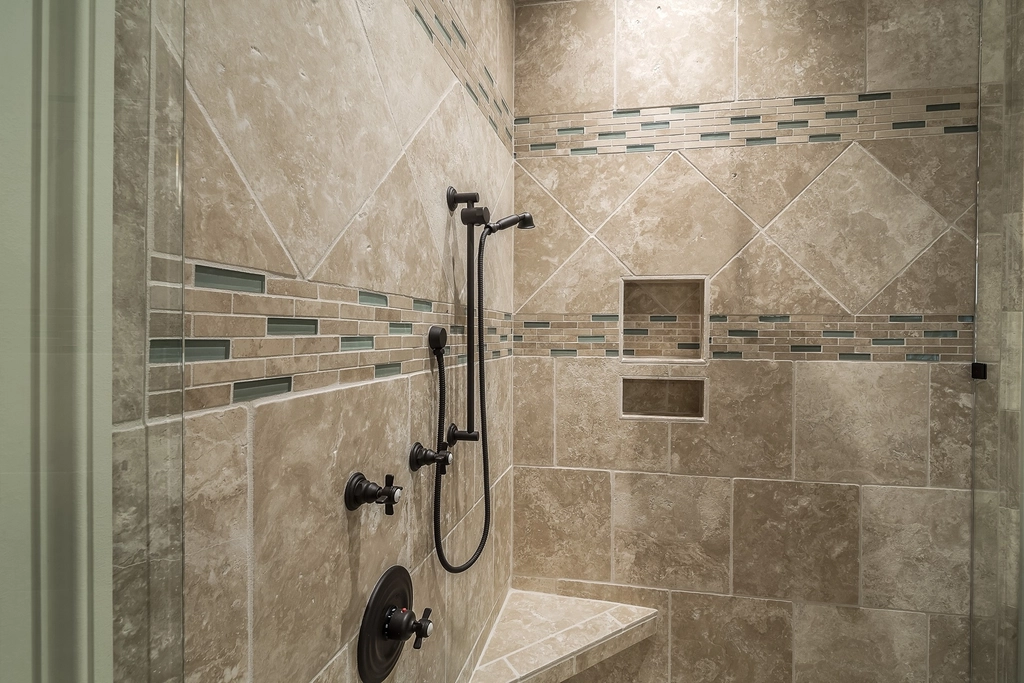
- Shower niches and recessed shelves, which are often tiled without being tanked
- The threshold at the door, where the membrane is stopped short to save a metre
The Test That Takes One Day and Settles It
Before tiling begins, the bathroom floor should be plugged and flooded to a depth of a few centimetres and left for twenty four hours, with the level marked. If the level drops, or if anything appears below, the problem is found while it costs almost nothing to fix. After tiling, the same problem costs a bathroom.
This one day is the cheapest insurance in a renovation, and it is the item most often traded away when a programme slips. It should be written into the contract as a hold point, not left as a good intention.
A leak is never really a plumbing failure. It is a day of testing that somebody decided the programme could not spare.
Why Apartments Make It Worse
In a villa a leak is your own problem. In an apartment the slab is shared, and water finds the neighbour before it finds you. It also means the repair is rarely confined to your home, because the damage is visible on their ceiling and the source is under your floor. Managed compounds in New Cairo and the Fifth Settlement increasingly hold the upstairs owner responsible, which makes the prevention stage worth far more than it costs.
Preventing Bathroom Water Leaks in Cairo Apartments
Three things prevent nearly all of it. Name the waterproofing system and its warranty in the contract rather than accepting a generic line. Insist on the flood test as a hold point before tiling. And have somebody technical look at the bathroom on the day the membrane is finished, because it is the only day it can be inspected.
Choosing the Right People for the Wet Areas
Waterproofing is only as good as the people applying it. Wet area work is a specialism, and a general finishing team doing it on the same day as the tiling is where shortcuts happen.
Ask Who Will Actually Do the Work
Ask for the name of the team applying the membrane, the similar work they have completed and whether you can see finished bathrooms. A specialist who is proud of the work will be happy to show it.
Ask for the System in Writing
The quotation should name the waterproofing system, say what it covers, including floor, walls, junctions and niches, and attach the written warranty. Compare these details between quotes, not just the total.
Agree the Programme Before Work Starts
Waterproofing needs time to cure and the flood test needs time to run. A programme that has the tiles arriving the day after the membrane leaves room for neither. Ask the contractor to show both stages clearly on the programme.
The Order of Work in a Bathroom
Most leaks come down to sequence. A bathroom is a stack of layers, and each must be finished and checked before the next one hides it.
- Pipes and drain positions fixed and tested before any floor is laid
- Screed laid to fall towards the drain and checked before waterproofing
- Membrane applied across the floor, up the walls, into the drain and around every penetration
- Flood test run, level marked and the result recorded
- Tiles fixed only after the test is passed
- Grout, silicone and fittings completed last
If any of these stages is missing from the contractor programme, ask where it has gone. A missing line usually means a missing day.
Ventilation and Everyday Habits
Moisture That Is Not a Leak
Steam condensing on cold walls and ceilings can produce damp patches and mould that look like a leak. Extraction that works and a door left ajar after showers often solve it. If staining keeps growing when the bathroom is not being used, water from another source is more likely.
Small Habits That Protect the Floor
Renew silicone joints when they discolour or lift, keep the floor drain clear of hair and soap, and point the shower hose back towards the shower area after use. None of it takes long and all of it protects the layer underneath.
Know Where the Water Shuts Off
Every household should know where to isolate the water supply to the bathroom and to the whole apartment. Show everyone who lives there, and label the valves if they are not obvious. In a leak, speed matters.
If You Are Already Seeing Signs
Early signs are easy to dismiss. These are worth taking seriously.
- A stain on the ceiling below that grows after the shower has been used
- Paint that blisters or flakes near the bathroom wall
- A musty smell that does not clear when the room is ventilated
- Tiles that sound hollow or lift near the threshold
- Grout that stays dark and damp long after the room has dried
Act Early and Be Open With Your Neighbour
Stop using the affected shower, photograph everything and call a qualified plumber or waterproofing specialist. A prompt, friendly message to the neighbour below, with an offer of access, usually keeps the situation cooperative.
Check Who Is Responsible
Responsibility depends on your building rules, your insurance and your contract with the contractor. Read all three before a problem appears, and keep the test records safely with them.
Frequently Asked Questions
Is a flood test really necessary?
It is the only way to find a fault before the tiles hide it. Ask for it in writing as a stage that must pass before tiling starts.
Do I need to waterproof the whole bathroom or only the shower?
The floor and the walls around wet zones need protection, and the system chosen defines the exact extent. Ask the specialist to confirm it in writing.
Who pays if a leak damages the apartment below?
That depends on your building rules, your insurance and your contract. Check all three and keep your records.
Does a more expensive tile lower the risk?
No. Tiles and grout slow water down but do not stop it. The membrane underneath does that work.
Can a leak be fixed without breaking the tiles?
Sometimes, if the fault is only in a sealed joint. A leak from below the tile usually means opening the floor, and a qualified specialist can advise once they have investigated.
Write the flood test into the contract as a stage that must pass before tiling starts. One day of testing prevents the most expensive and most awkward failure in any apartment renovation.
Supervision at exactly these stages is part of how Residential Interiors runs a project, and it is why the wet areas in Villa Basement Spa & Pool were signed off before a single tile was ordered. Choosing Bathroom Materials That Still Look Good in Five Years covers what goes on top once the layer underneath is right.

Free guide
The Renovation Process in New Cairo, Step by Step
Leave your details and we will email you the guide on this subject straight away.
One guide, no repeat mailings.
Your guide is on its way
Check your inbox in a few minutes. If it is not there, look in your spam folder.