Nursery design for a Cairo home has to solve a problem most nursery inspiration boards never mention: keeping a small, enclosed room comfortable through a Cairo summer without over-relying on air conditioning running all night, every night, for months. Beyond that climate reality, the same fundamentals apply everywhere, safety first, durable finishes, and furniture flexible enough to still be useful once the baby becomes a toddler and then a child who needs a proper bedroom.
This kind of decision comes up constantly in our Residential Interiors projects across Cairo, and it is usually worth settling early rather than late.
Planning a nursery well means thinking two or three years ahead from day one, since most of the furniture bought for a newborn either gets replaced within eighteen months or, if chosen well, adapts smoothly into what a toddler actually needs.
Safety Comes Before Style
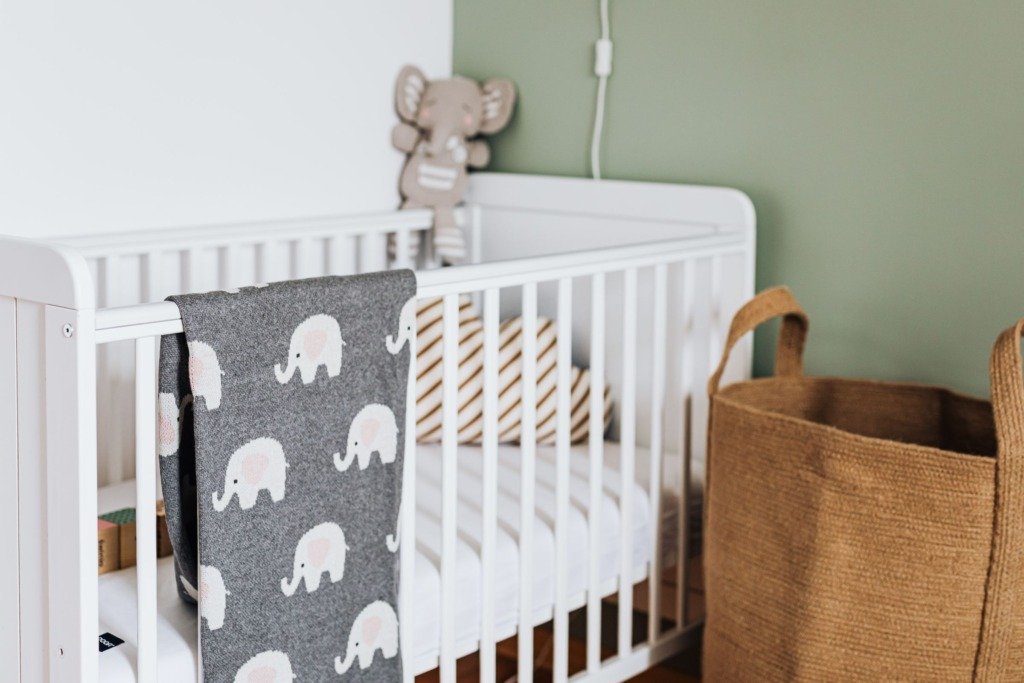
Every material and furniture choice in a nursery should be evaluated for safety before appearance. Furniture should be anchored to the wall, particularly tall pieces like a bookshelf or wardrobe, since a mobile toddler will eventually try to climb it. Cot placement matters too, away from windows, curtain cords, and any wall-mounted shelving within reach of small hands once the child is standing.
Sharp corners on low furniture, exposed electrical outlets at floor level, and cords from blinds or lamps are the details that matter most in the first two years, and they’re far easier to plan around during the initial design than to retrofit later once the room is finished and furnished.
Nursery Design for a Cairo Home: Keeping the Room Cool
Nursery design for a cairo home has to account for the fact that a newborn regulates body temperature far less efficiently than an adult, which makes summer heat management a genuine priority rather than a comfort preference. A north or east-facing room, away from direct afternoon sun, is worth prioritising over a south or west-facing one wherever the floor plan allows a choice.
Blackout curtains do double duty here, they block the strong Cairo sun that would otherwise heat the room through the day, and they help with daytime naps, which matter enormously for a household’s sanity in the first year. A quiet, well-sized split AC unit with a low-noise setting, rather than a standard unit that cycles loudly, protects both the room’s temperature and the parents’ sleep schedule.
This pairs naturally with a related decision we cover in Teen Bedroom Design in Cairo.
Finishes That Handle Daily Mess
A nursery generates mess at a rate no other room in the house matches, spilled milk, diaper changes, art supplies within a couple of years. Washable, low-VOC paint on the walls, rather than a standard matte finish, means marks wipe away rather than needing a repaint every year. A durable, easy-clean flooring, sealed engineered wood or a good vinyl, handles spills better than carpet, which also traps dust in a way that matters for a baby spending significant time at floor level.
Rugs are fine and add warmth underfoot, but a washable, low-pile option that can be removed and cleaned easily is the more practical choice over a thick, hard-to-clean statement rug that looks better in photos than it performs in daily use.
Lighting for Night Feeds
Lighting design in a nursery needs two distinct modes: bright enough for daytime changes and play, and low enough for two-in-the-morning feeds without fully waking either parent or baby. A dimmable overhead fixture covers the first need, but a dedicated low-level night light, ideally on a warm amber setting rather than cool white, makes the biggest difference to how disruptive those night feeds actually are.
Positioning a soft lamp near the feeding chair, rather than relying on the overhead light at low brightness, keeps the light source close to where it’s needed and out of the baby’s direct eyeline, which matters for settling back to sleep afterward.
Furniture That Grows With the Child
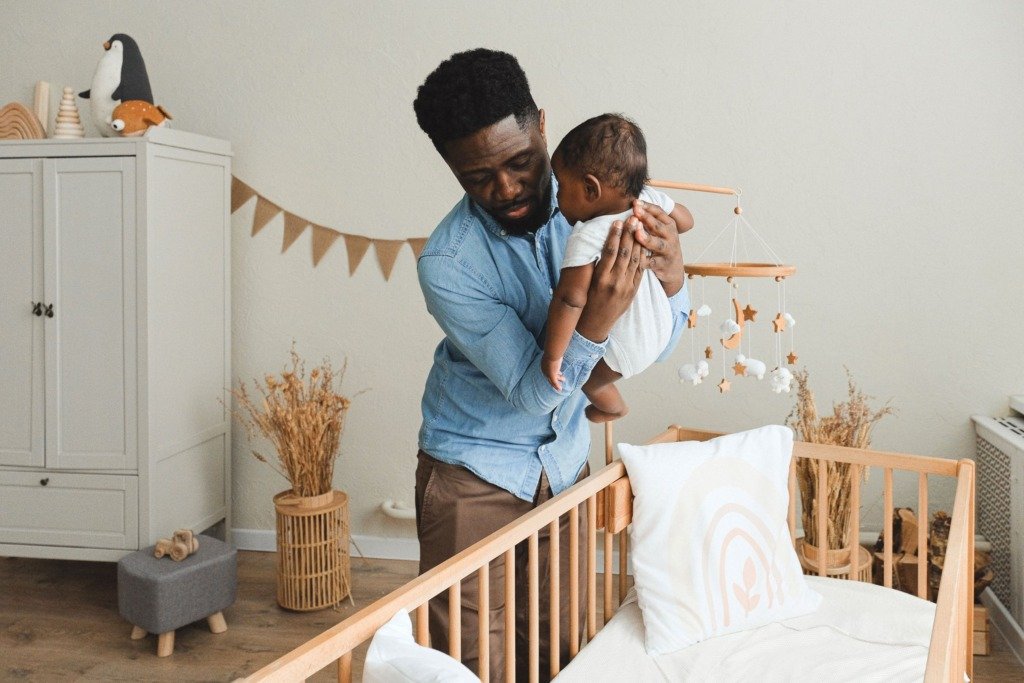
A convertible cot that becomes a toddler bed, and a changing table that converts into a regular dresser once nappies are behind you, both extend the useful life of nursery furniture well past infancy, which matters given how quickly a baby’s needs change. Open shelving low enough for a toddler to reach independently, rather than everything stored up high, also sets the room up for the next stage before it’s strictly needed.
A nursery only has to work for about two years before its needs change completely. Spend the budget on what has to be right immediately, safety and sleep, and choose furniture flexible enough to earn its place well past that.
- Furniture anchored to the wall and a cot positioned away from windows and cords
- Washable low-VOC paint and durable, easy-clean flooring over carpet
- Blackout curtains and a quiet, low-noise split AC for daytime naps and summer heat
- A dimmable overhead fixture paired with a warm, low-level night light for feeds
Planning the Layout Before You Buy Anything
Start With the Fixed Elements
Mark the windows, the door swing, the air conditioning unit and the electrical points on a simple plan before choosing any furniture. Once these are fixed on paper, the cot, the feeding chair and the storage tend to find their places naturally, and you avoid buying a piece that only fits in one awkward spot.
Keep a Clear Path to the Cot
A nursery that looks generous on a plan can feel tight once a cot, a chair and a dresser are in place. Keeping a clear route from the door to the cot makes night time easier and keeps the room safe to cross in the dark with a baby in your arms.
Materials and Fabrics for a Cairo Climate
Choose Fabrics That Breathe
Cotton and linen blends for bedding, curtains and upholstery let air move and cope better with heat than heavy synthetic fabrics. Look for covers that can be removed and washed often, because a nursery chair will meet milk and spills sooner than you expect.
Think About Walls and Windows Together
Light, soft wall colours keep a small room feeling calm and reflect heat less harshly than deep shades. Pair them with external shading or good curtains so the window does the cooling work, and the air conditioning does not have to compensate all day.
Storage That Keeps the Room Calm
Separate Daily Items From Occasional Ones
Keep what you reach for every day, such as nappies, wipes and spare clothes, within easy reach of the changing area. Store outgrown clothes and keepsakes higher up or in another room, so the nursery never turns into a stockroom.
Use Closed Storage for Small Items
- Baskets with lids for toys and soft blankets
- A closed dresser for creams, medicines and anything unsafe for small hands
- Low drawers a toddler can open without help once they are ready
- A high shelf for keepsakes and items used only occasionally
What to Prepare Before a Design Conversation
Bring Measurements and Photos
Accurate room measurements, photographs of the windows and a note of which way the room faces help us plan the cooling, the lighting and the furniture sizes properly. A short list of what you already own and want to keep saves time and avoids duplicate purchases.
Decide What Matters Most
Agree between you on the priorities, whether that is sleep, safety, a calm look or flexibility for later. When the brief is clear, every choice from the paint to the chair becomes easier to judge, and the final room feels considered rather than assembled.
Comparing Quotes for Nursery Work
Compare Like With Like
When you receive quotes from different makers, check that they describe the same materials, finishes and fittings. A lower figure often hides thinner boards, simpler paint or missing items, and the difference only appears once the room is in use.
Ask About Safety Finishes
Ask what the paint and the wood finish are made from, and whether the furniture comes with rounded edges and secure fixings. These details cost little to specify at the start and are difficult to correct later.
Frequently Asked Questions
When should I start planning the nursery?
As early as you comfortably can, because made to measure pieces and paint curing need time. Starting early also lets you settle the safety and cooling decisions without pressure.
Which room in the home works best?
Usually the one that stays coolest and quietest, ideally close to the parents bedroom and away from direct afternoon sun. Natural light in the morning is a bonus.
Can the same furniture last as the child grows?
Yes, if you choose convertible pieces and a neutral base. Change the textiles and accessories as tastes develop, rather than replacing the large items.
Do I need a designer for a single small room?
It helps most when the room is small, because every part of the layout, storage and light has to work. A clear plan prevents costly mistakes on a short list of purchases.
Prioritise safety and temperature control first in a Cairo nursery, then choose washable finishes and furniture that converts as the child grows. The room that looks best in photos on day one isn’t necessarily the one that still works two years in.
Getting a nursery right from the first sketch is part of how Residential Interiors plans a growing family’s home, and Bedroom Concept Studies included a nursery designed to convert smoothly into a toddler room without a full renovation. Lighting deserves particular attention here, and Lighting: The Layer Most Homes Get Wrong goes deeper into why it’s so often underplanned.

Free guide
Choosing Materials That Last in a Cairo Home
Leave your details and we will email you the guide on this subject straight away.
One guide, no repeat mailings.
Your guide is on its way
Check your inbox in a few minutes. If it is not there, look in your spam folder.