What a mood board is for gets misunderstood more than almost any other part of the design process. It is not a finished picture of the room, and treating it as one is where a lot of unnecessary back-and-forth starts. It is a working tool for agreeing direction before any real money is spent.
This kind of decision comes up constantly in our Consultation projects across Cairo, and it is usually worth settling early rather than late.
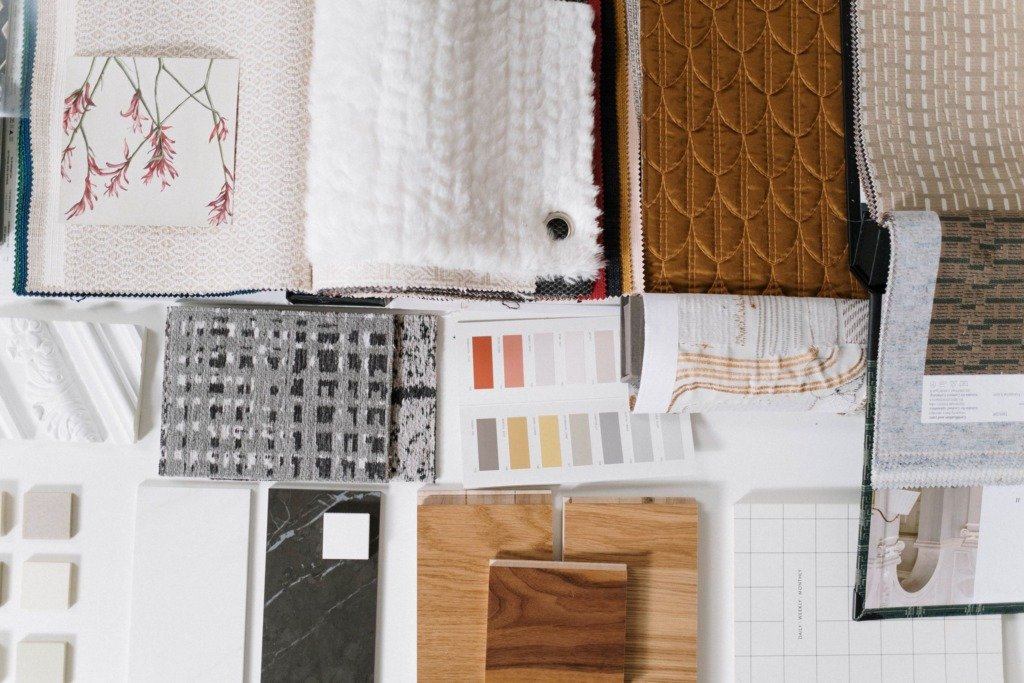
A mood board’s job is to test a direction cheaply, using images, colours and material samples, before that direction is committed to in drawings, orders and construction.
What a Mood Board Actually Communicates
- An overall mood or atmosphere: warm and layered, or pared back and quiet
- A colour direction, usually as a palette rather than exact paint names yet
- A sense of material and texture, stone against timber, matte against gloss
- A reference point for scale and proportion, even if the exact furniture shown will not be the furniture bought
None of the specific items pictured are usually the final specification. A mood board showing a particular sofa is communicating a shape and a feeling, not committing you to that exact model.
What It Is Not
A mood board is not a floor plan, a budget, or a guarantee of the finished result. Two very different rooms can share the same mood board direction and still end up looking quite different once the actual layout, lighting and materials are finalised. Judging a mood board as if it were a finished render is the single most common source of disappointment at this stage.
Respond to the feeling, not the exact object. If a mood board feels wrong, the useful question is which word describes that wrongness, too cold, too busy, too formal, rather than which specific picture you dislike.
How to Give Useful Feedback on One
- Name the feeling rather than the object: too corporate, too beige, too dark, rather than just no
- Point to what is working, not only what is not, so the direction can be refined rather than restarted
- Ask what a specific image represents if it is unclear, rather than assuming it is literal
- Trust that materials will look different at full scale in your own light than they do in a small sample
This pairs naturally with a related decision we cover in How Many Design Revisions Are Normal During the Design Phase.
When a Mood Board Should Change Completely
Occasionally the right answer is a full restart rather than refinement, usually when the feedback keeps circling back to a fundamentally different mood rather than adjustments within the same one. A good designer recognises this early rather than tweaking a direction that was never right in the first place.
What a Mood Board Is for at Each Project Stage
Early on, a mood board is for exploring range, testing several directions that might feel quite different from each other. Once a direction is chosen, a second, more focused mood board narrows to specific materials and finishes within that direction. Treating both stages as the same kind of document, with the same level of commitment expected, is where confusion about what a mood board is actually for tends to start.
Digital vs Physical Mood Boards
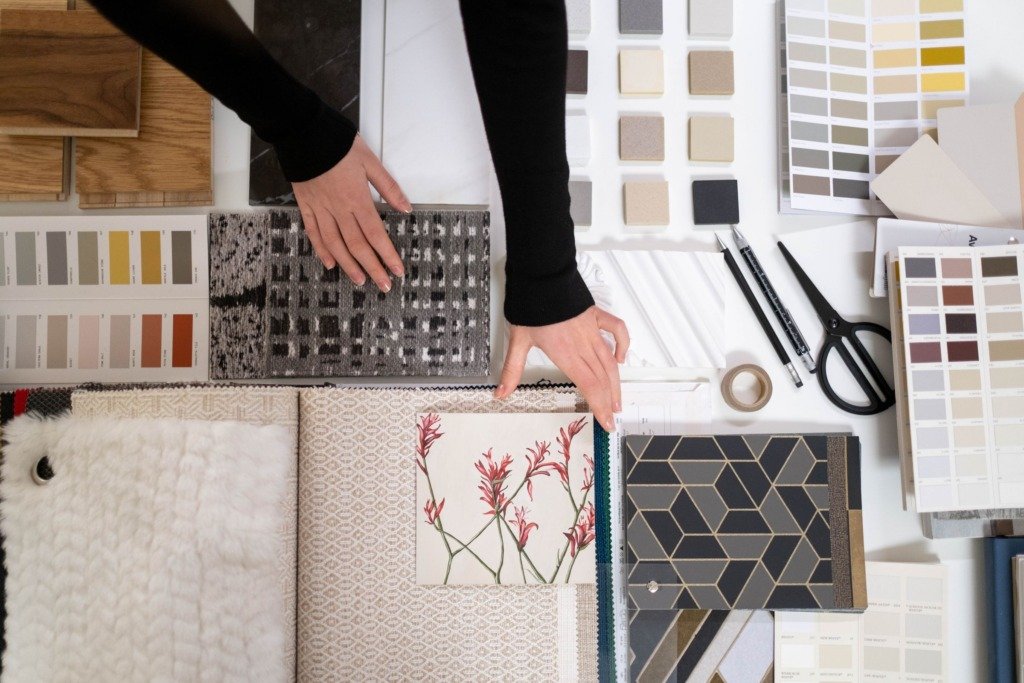
A digital board is faster to assemble and easier to revise, but a physical one, with real fabric and material samples pinned together, shows how things behave next to each other under real light in a way no screen fully replicates. Many studios use both: digital for early exploration, physical once real samples are involved and colour accuracy actually matters.
What to Prepare Before the First Mood Board
Gather references, then edit them
Collect images you are drawn to, from rooms, hotels, shops or even a fabric you saw once. Then look for what they share. Three images that look different may all be warm, low and layered, and that shared quality is what the mood board needs.
Note what you already own
Pieces you plan to keep, such as a sofa, a rug or a family table, set limits on colour and style. Telling the studio early saves a direction that cannot work with them.
Think about light and daily use
Which rooms get strong afternoon sun, which are used mostly in the evening, and who uses them. A mood that suits a quiet bedroom may not suit a busy family room.
Reading the Parts of a Mood Board
Palette and proportion
Notice how much of each colour appears. A board with a small touch of a bold shade is saying something very different from one where that shade covers a whole wall.
Materials and texture
Look at how hard and soft surfaces are balanced. Stone and metal need fabric and timber beside them to feel comfortable, and the board should show that balance even in a small sample.
What is left out
Empty space on a board is deliberate. If you cannot find lighting, rugs or curtains, it usually means they come later, not that they are forgotten.
What Changes the Brief and the Fee
Mood boards are usually part of a wider design stage, but a few things change how much work they take.
- The number of rooms covered by one direction
- Whether you want a single board or separate boards for each room
- How many people must agree on the final direction
- Whether physical material samples are needed
- How much time you need to reflect between rounds
Samples, Climate and Lead Times
See samples in your own light
Cairo daylight is bright and strong, and it changes how colours and stone read. Place samples in the actual room at different times of day before committing.
Check availability early
A beautiful material that is hard to source or slow to arrive can derail a plan. Ask which items on the board are readily available and which need ordering well ahead.
Mood Boards When You Work Remotely
For clients who are not in Cairo, a digital board is shared on screen and discussed in a call. Samples can be sent or reviewed through photographs, though real colour is always best confirmed in person or through a trusted representative.
Frequently Asked Questions
Do I need a mood board for a small project?
A simple one still helps. Even a single room benefits from agreeing the mood, palette and main materials before anything is bought.
What if I do not like any of the images?
Say so, and explain why. Dislike is useful information, and it often points quickly to what you do want.
Can a mood board be changed after approval?
Small refinements are normal. A change of whole direction after drawings begin is possible but affects the scope, so raise it as early as you can.
Is a mood board the same as a 3D visual?
No. A mood board sets direction. A 3D visual shows your actual room with the chosen materials and layout, and comes later.
Who should be involved in approving it?
Everyone who lives in the home and has a strong opinion. Disagreements are far cheaper to solve at this stage than on site.
A mood board is doing its job if it starts a clear, specific conversation about direction. If it only produces a vague sense of liking or disliking it, ask more direct questions before moving forward.
Moving From Mood Board to Specification
Once a direction is agreed, the mood board’s job is largely done. What follows, the exact stone, the exact fabric, the exact furniture, is a separate and more detailed stage, and it is normal for some choices to shift slightly from what the mood board first suggested once real materials and their real cost are considered.
Establishing the right direction early through a mood board is part of what Consultation is built around, and Bedroom Concept Studies started from a direction agreed exactly this way before a single material was ordered. For what happens once a direction is set, How Long an Interior Design Project Actually Takes, Stage by Stage covers the stages that follow.
To see the result before anything is ordered, the studio offers 3D interior design in Egypt with realistic views of each room.

Free guide
The Renovation Process in New Cairo, Step by Step
Leave your details and we will email you the guide on this subject straight away.
One guide, no repeat mailings.
Your guide is on its way
Check your inbox in a few minutes. If it is not there, look in your spam folder.