Modern mashrabiya design ideas start from a five-hundred-year-old problem that Cairo’s climate and street life still create today: how do you let light and air into a room while keeping it private from a street, a neighboring balcony, or a shared internal courtyard.
Bringing that idea into a contemporary apartment or villa without it reading as a costume-y reproduction is a detail Residential Interiors gets asked about often, especially in Zamalek and Maadi projects where the client wants something recognizably Egyptian without it looking like a hotel lobby.
What a Mashrabiya Was Actually Built to Do
The traditional mashrabiya is a wooden latticework screen, historically turned on a lathe, used across old Cairo to shade interiors, cool incoming air, and let women in the household see the street without being seen from it. It solved privacy, light, and airflow with a single element, which is exactly why the idea still holds up structurally, not just decoratively.
Why the Idea Still Works in a Modern Apartment
A modern apartment has the same core problem in different form: floor-to-ceiling glass facing a neighboring tower, an open-plan layout that needs a visual break without a solid wall, or a balcony that gets too much afternoon glare. A mashrabiya-inspired screen solves all three without closing the room off completely.
It also solves a problem developer-standard apartments create on their own: open floor plans with almost no natural break between functions. A solid partition kills the openness that made the layout appealing in the first place, while a mashrabiya-inspired screen keeps sightlines, light, and airflow moving through the space while still marking one zone as distinct from another.
Modern Mashrabiya Design Ideas That Fit a Contemporary Floor Plan
Modern mashrabiya design ideas that fit a contemporary floor plan tend to simplify the pattern rather than reproduce a historical one exactly, using a repeating geometric motif that reads as intentional from across the room rather than busy up close.
A good modern mashrabiya screen should feel like it belongs to this apartment, not like it was salvaged from a museum piece and hung on the wall.
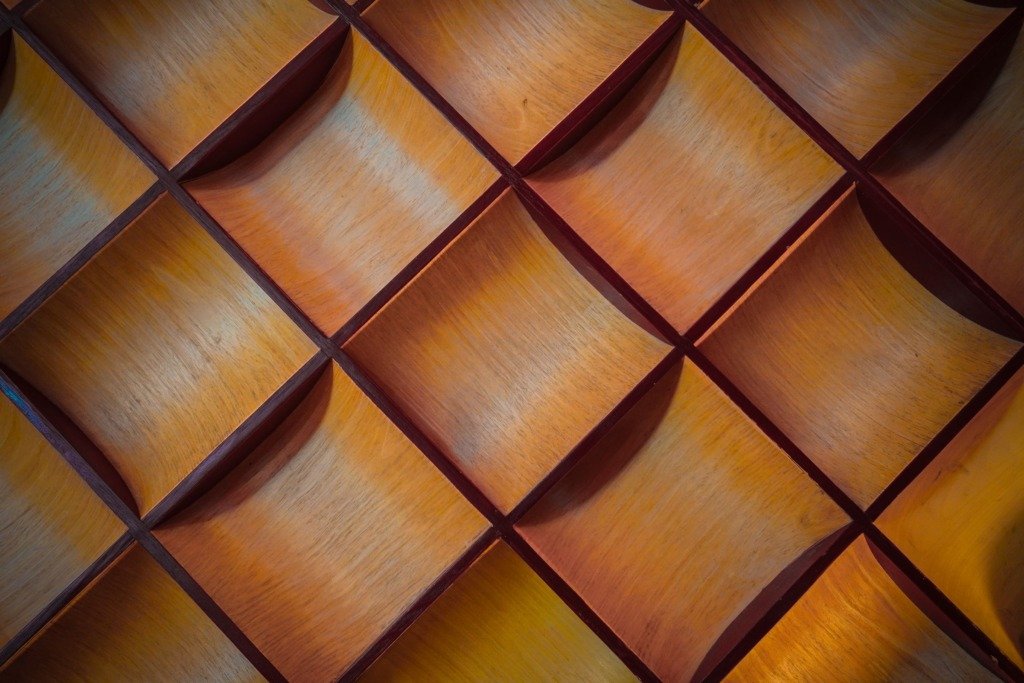
Materials: Laser-Cut Metal vs Wood vs 3D-Printed Panels
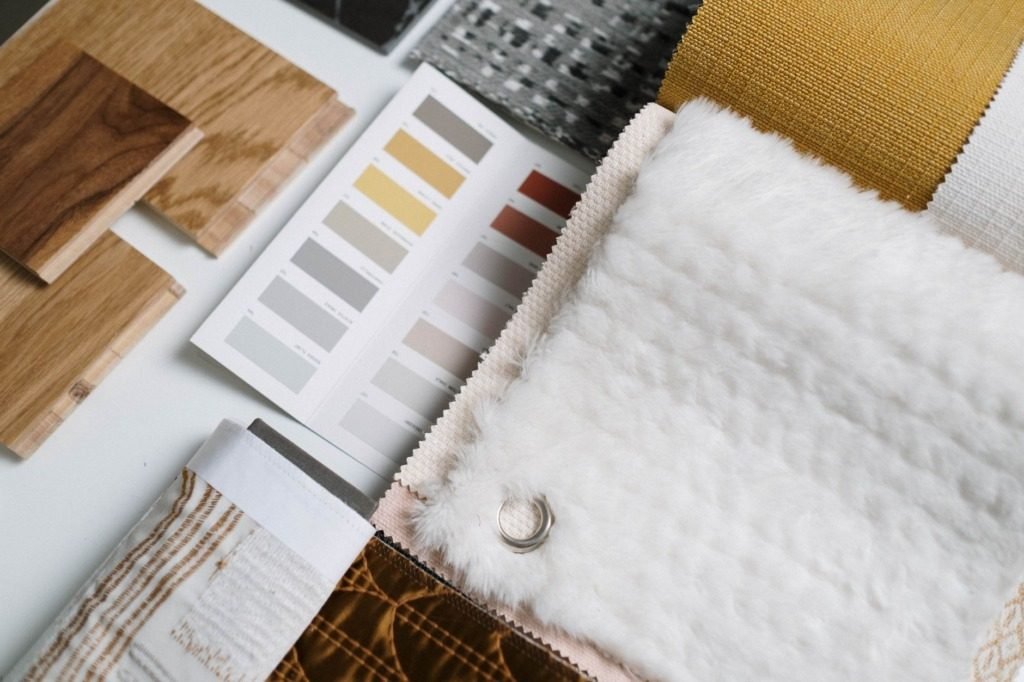
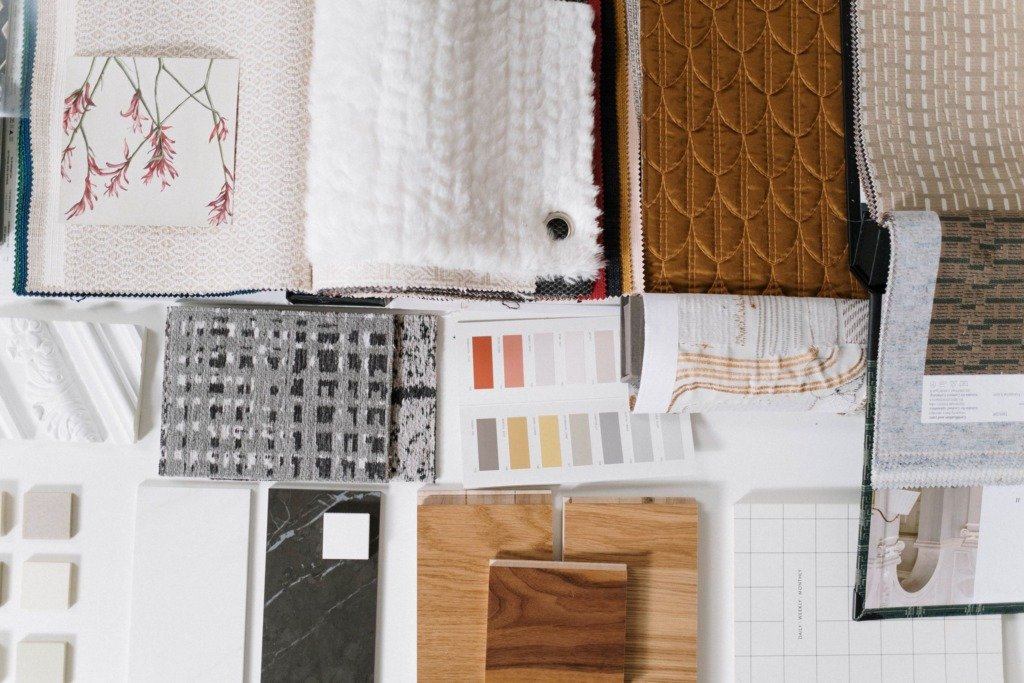
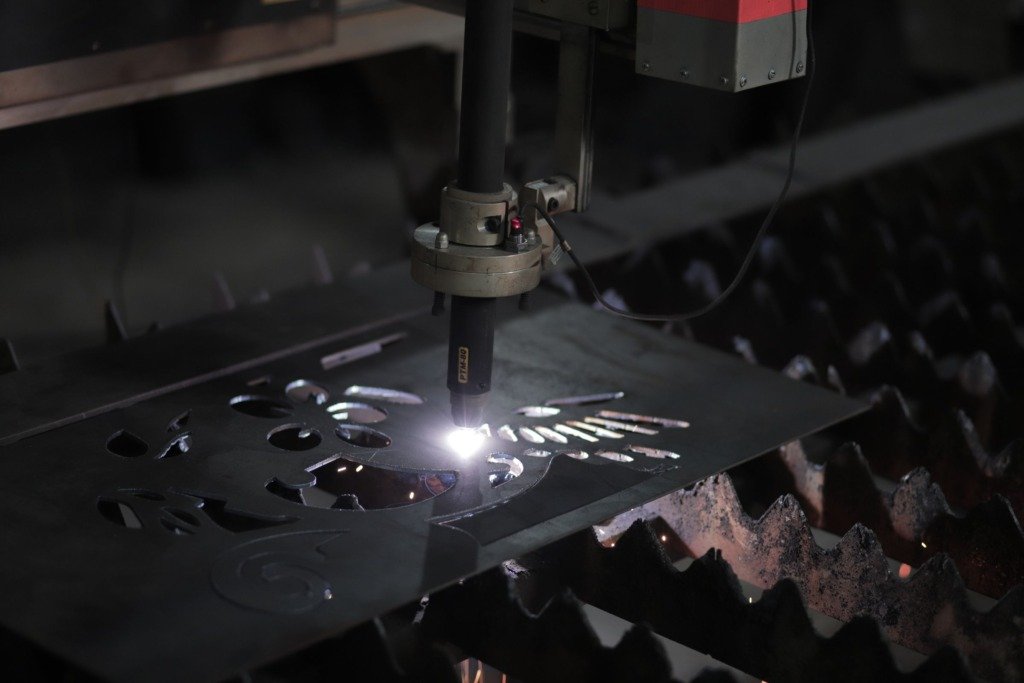
Laser-cut steel or aluminum, powder-coated in a matte finish, is the most common modern choice because it holds a fine pattern without warping and works both indoors and on a shaded terrace. Timber lattice is warmer and closer to the historical original but needs more maintenance in Cairo’s dry heat. 3D-printed resin or composite panels are newer, lighter, and allow more intricate patterns, though they suit indoor use better than direct sun exposure. Placed correctly, a screen like this pairs naturally with an open-plan layout, the kind of layout our Planning an Open-Plan Living and Dining Space piece covers in more depth.
- Laser-cut metal: durable, works indoors and out, holds fine detail
- Solid timber lattice: warmest look, needs periodic maintenance
- 3D-printed composite: intricate patterns, best kept indoors
- Perforated MDF or wood-look panel: budget option for a feature wall, indoors only
Where It Works Best in an Open-Plan Layout
The most natural spot is between a living and dining area in an open-plan apartment, or as a room divider for a home office that needs a visual boundary without losing borrowed light from the main living space.
Privacy and Light Control Without Closing a Room Off
Used on a balcony or in front of a window facing a neighboring building, the screen cuts direct sightlines and glare while still letting filtered light and air through, which matters most in denser parts of New Cairo and Nasr City where towers sit close together.
Getting the Scale and Pattern Right for the Space
Pattern scale matters more than most clients expect going in. A fine, tight lattice pattern that looks elegant in a small nook can read as visually noisy across a full room divider, while a bold, larger-scale geometric pattern holds up better at that size and actually reads as calmer from across the room.
Custom laser-cut panels are made to order rather than pulled off a shelf, so it’s worth planning for a few weeks of design and cutting time once the pattern and dimensions are finalized. A workshop can usually turn a standard geometric motif around faster than a fully bespoke pattern drawn to match a specific piece of furniture or a client’s own design, so it helps to lock in the pattern early rather than leaving it as a last-minute decision.
Planning a Mashrabiya Screen Before You Commission One
Start With What the Screen Must Do
Before anyone chooses a pattern, decide what the screen is for. Some screens exist mainly to block a view, some to soften glare, and some simply to divide one zone from another. Each purpose pushes the design in a different direction, in how open the pattern is, how far the screen sits from the glass, and how it is fixed.
Look at the Room at Different Times of Day
Visit the space in the morning and again in the afternoon. Note where the sun lands, which neighbouring windows look into the room, and where air moves when the doors are open. Photographs and a simple sketch with measurements are enough for us to begin, even when we are working with you remotely.
Pattern, Density and Proportion
Balancing Solid and Open Areas
A denser pattern gives more privacy but lets in less light. A more open pattern keeps the room bright but reveals more of what is behind it. The right balance depends on how close the nearest window is and how much privacy you really need at different hours.
Test Before You Cut
Before final production, print the pattern at full size on paper and tape it to the wall or window. Stand back, look at it in daylight and at night, and adjust. A simple mock-up avoids a costly correction later.
Fixing, Structure and Coordination
Fixed, Sliding or Freestanding
- Fixed panels: the simplest option, best for a permanent divider
- Sliding panels: let you open or close the view as the day changes
- Hinged panels: easy to open when you need to clean the glass behind
- Freestanding screens: no fixing needed and easy to move later
Agree Fixing Points Early
A screen needs something solid to hold it. Agree the fixing points with the contractor before ceilings and wall finishes are completed, and check where lighting, curtain tracks and air conditioning outlets sit so nothing competes for the same space.
Light, Finish and Care
How the Shadows Move
A screen throws a patterned shadow across the floor and walls that shifts through the day. Keep the surfaces that receive it fairly calm, because a strong rug pattern under a strong shadow pattern becomes tiring to live with.
Choosing a Finish
Matte finishes usually look calmer than glossy ones. A colour close to the walls makes the screen recede, while a deeper colour turns it into a feature. Soft light placed behind the screen at night can make it glow without any glare.
Keeping It Clean
Fine patterns collect dust, particularly in Cairo during the dusty months. Choose a pattern you can reach with a soft brush or a vacuum attachment.
Working With a Studio on a Mashrabiya Feature
What to Prepare
Gather photographs of the room, rough measurements, a few reference images you like, and a clear note on what the screen should do.
Comparing Quotes Fairly
Ask every workshop to state the material, the finish, the pattern, the fixing method, and whether delivery and installation are included. Quotes only compare fairly when they describe the same thing.
Frequently Asked Questions
Can a mashrabiya screen work in a small apartment?
Yes, when the pattern is light and the screen is limited to one area, such as an entrance divider or a window. Avoid heavy screens that make a small room feel smaller.
Will a screen block the air conditioning?
Only if it sits directly in front of a vent. Leave clear space around outlets and plan their positions with the contractor.
Will a screen make the room darker?
A dense pattern reduces daylight, so choose a more open design for rooms that already receive little light. A full-size mock-up shows the effect before you commit.
Can I use a screen on a balcony?
Yes, as long as the material and finish are suited to the outdoors. We choose them for the location first and the look second.
Should the screen be designed before the furniture layout?
No. Settle the furniture layout first, so the screen follows how the room is actually used.
Choose the material for where the screen actually lives, metal for anything near sun or moisture, wood or composite for a fully indoor feature, rather than for which one looks best in a photo.
This is the kind of detail Residential Interiors works through with clients on almost every Bedroom Concept Studies where privacy and an open floor plan are pulling in opposite directions, and if lighting is the layer you are thinking about next, our Lighting: The Layer Most Homes Get Wrong piece is a natural next read since a mashrabiya screen changes how light falls in a room as much as any fixture does.

Free guide
Choosing Materials That Last in a Cairo Home
Leave your details and we will email you the guide on this subject straight away.
One guide, no repeat mailings.
Your guide is on its way
Check your inbox in a few minutes. If it is not there, look in your spam folder.