A first meeting with an interior designer in Cairo is not a test and there is no preparation that makes you a better client. But there is a version of that hour where the designer leaves knowing how you live, and a version where they leave knowing what you saw on the internet. The difference is mostly what you brought. The meeting may be at the house in New Cairo, or on a video call, and what you bring matters far more than where it happens.
This is exactly the kind of decision our Consultation team walks through with every Cairo client.
What to Bring to a First Meeting With an Interior Designer in Cairo
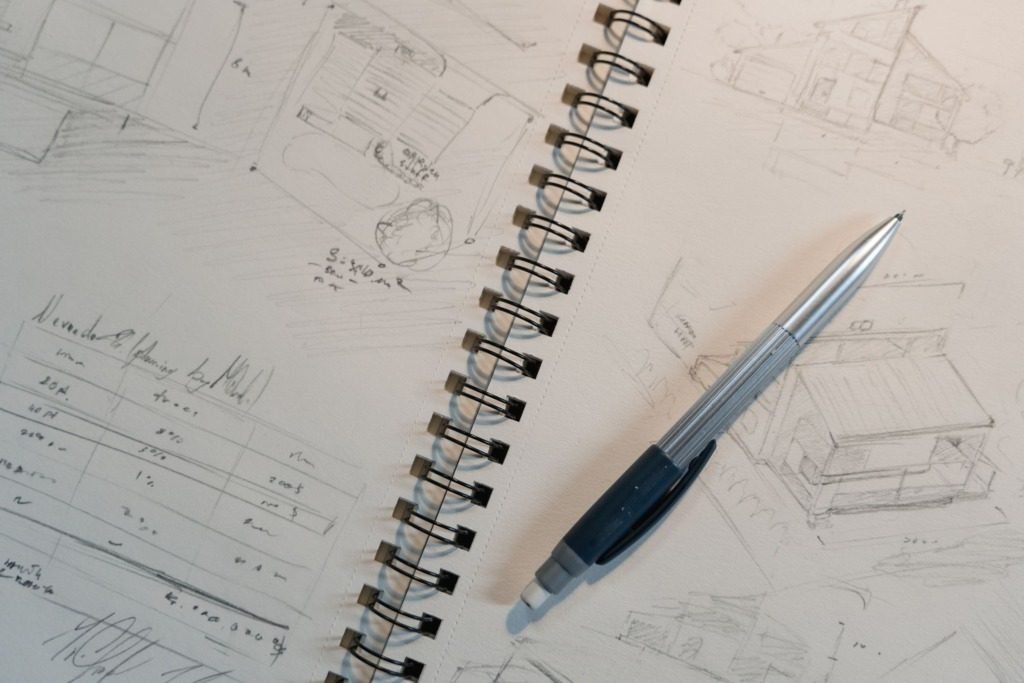
- A plan, even a rough one. An estate agent floor plan, a survey, or a phone sketch with measurements written on it. Anything that fixes the geometry
- Photographs of the space as it is, taken in daylight, including the ugly corners. Especially the ugly corners
- A budget range you are comfortable saying out loud, even a wide one
- A list of what is staying. Furniture you love, a rug that is not negotiable, the piano
- Your actual routine. What time the house wakes up, who cooks, where people end up sitting, what never gets used
- A date that matters, if there is one. A lease ending, a baby arriving, family visiting in spring
Those six answer nearly every question a designer needs answered before proposing anything. Four of them cost you nothing but attention.
The one thing to leave at home
A fully formed solution. Not inspiration, which is welcome, but the finished answer you have already decided on. If you arrive certain that the kitchen island is the fix, the conversation quietly narrows to islands, and the possibility that the room needed something else entirely never gets raised. Bring the problem in its original form. The solution is what you are paying for.
Come with the problem described honestly. A designer who is handed the answer can only agree with you.
If you are weighing this alongside other choices, our guide to Working With an Interior Designer Remotely, and When It Works Best is worth reading next.
On mood boards and saved images
Bring them, and bring the ones you disliked too. A folder of images you rejected is more useful than a folder you loved, because it shows the boundary. Loved images tend to converge on the same handful of styles. Rejected ones are specific to you.
It also helps to say what you like about an image rather than what it is. The light, the calm, the way the storage disappears. Style labels travel badly between people. Descriptions of feeling do not.
Questions worth asking in that first hour
- Who will actually be working on this, and will I meet them
- What do you need from me, and by when, to keep the schedule
- What in this space is a constraint we cannot design around
- What would you do differently from what I have described, and why
The last one is the most useful sentence in the meeting. It gives the designer explicit permission to disagree with you early, which is when disagreement is cheap and useful rather than late and awkward.
What should come out of it
At minimum, a shared description of the problem and an honest read on scope. A first meeting that ends with a proposal to redesign everything you own, before anyone has measured anything, is worth being careful about.
Gathering Your Documents
Paperwork is not glamorous, but it saves the designer from asking for it piece by piece over the following days. A small folder, digital or paper, is enough.
Property Paperwork
Any layout drawings from the developer or building, handover documents and photographs of the meter and distribution board help. If you rent, bring what your landlord allows you to change so the brief stays realistic.
Measurements That Matter
If you can, measure the main wall lengths and the ceiling height of each room, and note the width of the front door and the lift. These decide whether furniture can physically reach the room.
Thinking Through Your Brief
Put Your Priorities in Order
Most homes have more wishes than budget or space allow. Decide which three matter most, whether that is storage, light, entertaining or calm. A designer can then protect those when trade-offs appear.
Agree Who Decides at Home
If two or more people share the decisions, talk before the meeting rather than during it. A designer who receives three different answers to one question will slow down, and so will the project.
Bring Samples and Existing Pieces
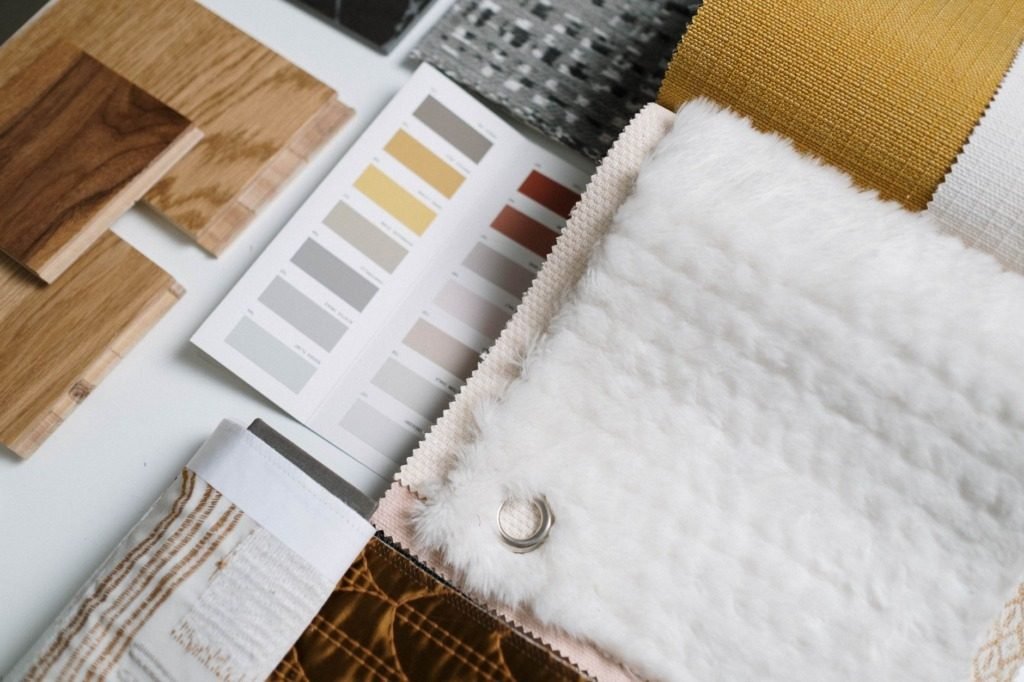
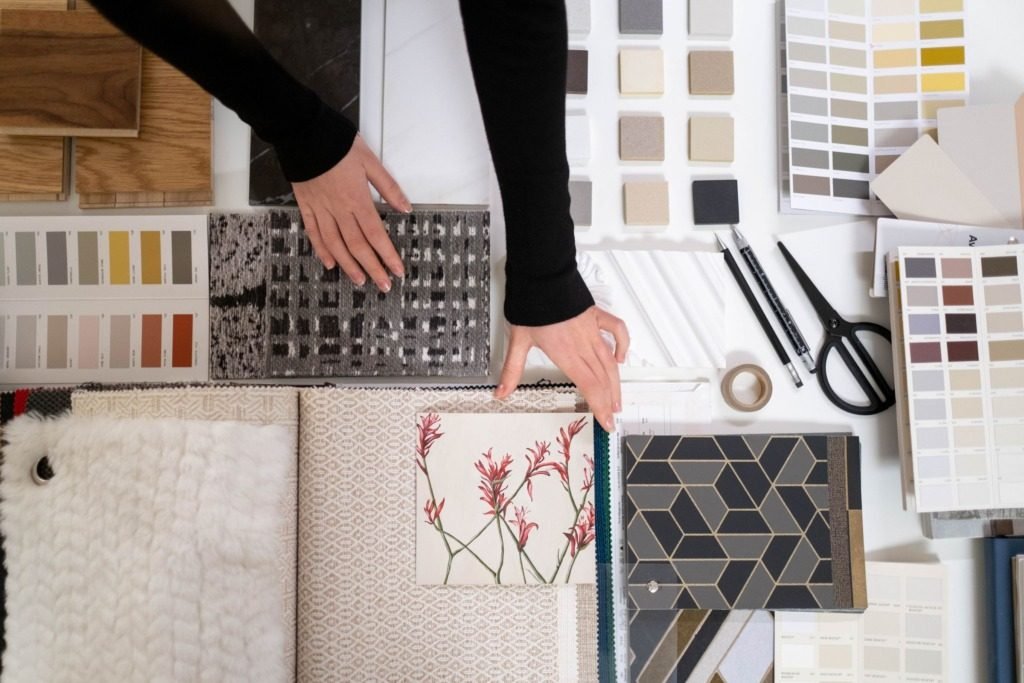
If you already own fabric swatches, tile samples or a paint chip you like, bring them. A small physical sample tells the designer more about your taste than a screen can, and it shows how colours behave in your own light.
Practical Details for Video Meetings
A video meeting can be just as useful as one at the house, provided the practical side is ready. A few minutes of setup makes the hour far more productive.
Walk the Rooms on Camera
If you are in the property, be ready to carry your phone through each room slowly. Pan along walls, show the windows and point out anything that bothers you.
Send Files Ahead of Time
Share the plan, photographs and your list of priorities before the call, so the designer has already looked at them. The meeting can then go straight to decisions instead of introductions.
Talking About Budget and Timing
Be Honest About the Range
A designer cannot match a design to an unknown limit. Say what you are comfortable spending, and say which parts you would stretch for and which you would not.
Know What Sets the Timeline
Lead times for joinery, stone and imported furniture often decide the schedule more than the design does. If you have a date that matters, say so early, and the designer can work backwards from it.
After the Meeting
A good first meeting ends with a clear next step. Before you leave or hang up, make sure you know who does what and by when.
- Ask for a short written summary of what was agreed
- Confirm what the designer needs from you next
- Note any questions you forgot, and send them the same day
- Take time to decide, since a good designer will not rush you
Frequently Asked Questions
Do I need a plan before the first meeting?
It helps, but a phone sketch with measurements is enough to start. The designer can arrange a survey later if more accuracy is needed.
Can I bring someone with me?
Yes, especially anyone who shares the decisions or lives in the home. It is better for everyone to hear the same conversation.
What if I do not know my style?
That is common and perfectly fine. Bring images you like and dislike and describe how you want to feel in the room. The designer can work out the style from that.
Should I decide anything at the first meeting?
No. The purpose is to understand the problem and the scope. Decisions about hiring, layout and materials can wait until you have had time to think.
Can a first meeting be held online?
Yes. The studio runs projects remotely with the same drawings and specifications, so a video meeting is a natural way to begin.
Write down how the house is actually used on an ordinary Tuesday. That single page shapes more of a good design than any image folder.
A short paid session is deliberately the lowest commitment way in, and Consultation is built around that first hour rather than around signing you up. If you would like to see how the early conversation shows up in the finished result, Lotus Villa Renovation is a good place to look, and How Much Does An Interior Designer Cost covers what happens to fees once scope is clear.

Free guide
Working With an Interior Designer: What to Expect
Leave your details and we will email you the guide on this subject straight away.
One guide, no repeat mailings.
Your guide is on its way
Check your inbox in a few minutes. If it is not there, look in your spam folder.