Remote interior design used to be the compromise option. It is now simply how a large share of good work gets done, partly because drawings, visualisation and video calls travel perfectly well, and partly because the alternative was limiting every client to whoever happened to be nearby. The studio is based in Cairo, works on site across Cairo, New Cairo and the rest of Egypt, and runs full projects remotely for clients further afield.
Getting this right is one of the reasons clients bring us in for Consultation rather than handling it themselves.
What follows is how it actually runs, including the parts that still need a person standing in the room.
What Travels Well With Remote Interior Design
- Space planning and layout, which depend on measurements rather than presence
- Material and finish direction, once physical samples are posted to you
- Lighting design, joinery drawings and technical packages
- Furniture specification, sourcing and scheduling
- Review and decision making, which is often better on a call because everyone is looking at the same drawing
What does not travel
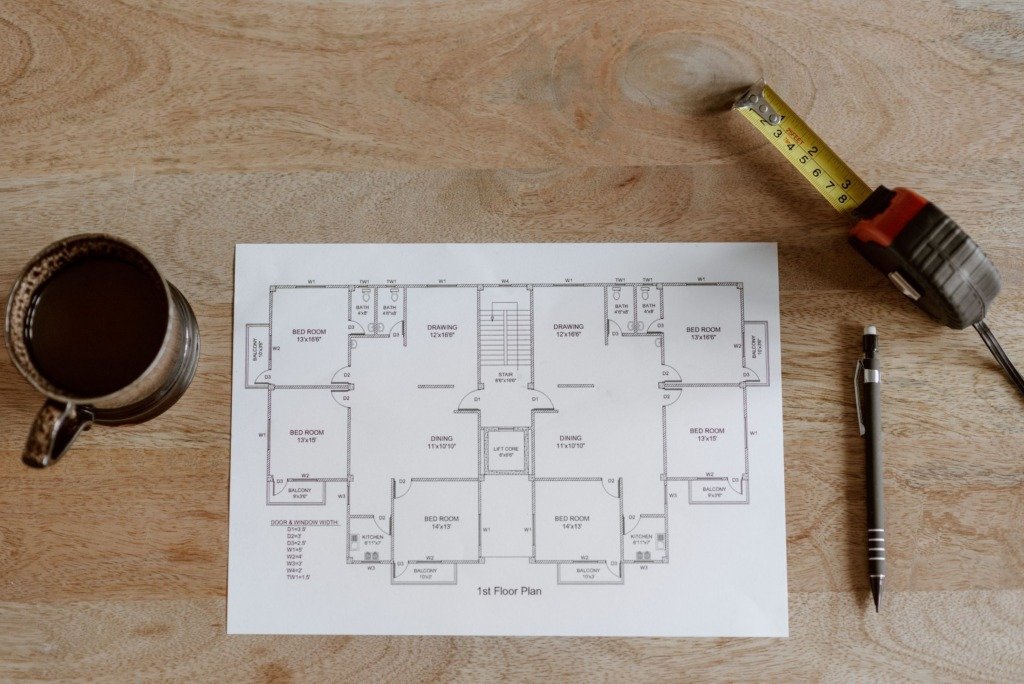
- The initial survey, if no reliable measured plan exists
- Judging the real light in a room across a day
- Site supervision and snagging, where someone has to look behind the panel
None of these stop a remote project. They change who does them. A local surveyor produces the measured plan. Your contractor or a local architect handles supervision against the drawings. The design authority stays in one place and the physical presence is bought locally, which is usually cheaper than flying anyone anywhere.
What the studio needs from you at the start
- A measured plan, or permission to commission one
- A video walkthrough of the space, taken slowly, narrating what is wrong with each room
- Photographs at three times of day, so the light is understood rather than assumed
- Ceiling heights, window dimensions and the position of every existing service
The video walkthrough is the single most valuable item on that list. A narrated walk through a flat tells a designer more in six minutes than an hour of written brief, because you point at things you would never think to describe.
Send the video before the mood board. The room you actually have is more useful than the room you are hoping for.
You will find a related discussion in Questions to Ask an Interior Designer Before You Sign a Contract, which covers similar ground from a different angle.
How the rhythm usually works
A call to agree the brief, then a gap while layouts are drawn. A call to review options and choose a direction. A longer gap for developed design and visualisation, then a review where the scheme is seen properly rather than described. Technical drawings follow, then a handover pack your contractor can build from, with the studio available for questions as the site progresses.
Samples get posted in batches so you are holding stone and fabric rather than looking at them on a screen, which no amount of colour calibration solves.
Where remote genuinely beats in person
Two places. Documentation, because everything ends up written and shared rather than agreed verbally on site and misremembered later. And pace, because reviews get scheduled rather than squeezed into a site visit that was really about something else.
Where it needs care
Contractor coordination. A remote project needs an agreed route for site questions, so the answer comes from the drawings rather than from whoever is standing nearest. Set that up at the start and the rest is routine.
Preparing Your Home for a Remote Project
Collect the documents you already have
Before the first call, gather any plans from the developer or architect, previous drawings, and photographs of every room. They do not need to be perfect. Even an old plan with a few handwritten corrections gives the studio something real to work from, and it shortens the survey stage considerably.
Choose one person to speak for the household
Remote projects run smoothly when questions have one clear destination. Agree within the household who approves drawings and who answers site questions, so the studio is never waiting between two opinions.
What to have ready
- A shared folder for plans, photographs and approvals
- A reliable contact on site who can open doors and take measurements
- A clear idea of the rooms in scope and the rooms to leave alone
- A list of existing furniture that is staying
What Changes the Brief and the Fee
Remote work is not automatically cheaper or more expensive. A few practical points move the scope in one direction or the other.
Survey and measured plan
If a reliable measured plan already exists, the survey is light. If not, a local surveyor is needed first, and that is a separate cost that sits outside the design work.
Level of site supervision
The more supervision you want from the studio, the more the scope grows. Some clients prefer the contractor to work from the drawings with occasional reviews, others want closer oversight. Say which you want at the start.
Sourcing and shipping
Furniture, stone and lighting sourced from other countries bring extra coordination, so the plan should state who orders, who receives and who inspects deliveries.
The Order of Work on a Remote Project
Brief and survey first
Everything depends on knowing the space accurately, so the brief and the measured plan come before any design decision.
Layout, then visual direction
Once the layout is agreed, material and visual direction follow. Reviewing them on a call with the same drawing open for everyone keeps decisions clear.
Technical drawings and ordering
Technical drawings come once the scheme is approved, and long lead items are ordered from them. Ordering from drawings rather than from conversation protects everyone.
Materials, Climate and Local Conditions
Choosing materials from a distance
Ask for physical samples and keep them in the room where they will be used. A tile that looks neutral on a screen may read warm or cold in your own light.
Heat, sun and dust
Strong sun, dry air and fine dust affect fabrics, timber and finishes. If you live in a different climate from the one the studio knows best, mention it so the specification is chosen for your conditions.
Local suppliers and fabricators
For joinery and upholstery, a trusted local maker is often the practical choice. The studio supplies the drawings and checks the samples, and the maker builds close to where the piece will live.
Comparing Studios for a Remote Engagement
Ask how reviews are run
A studio experienced in remote work can describe its rhythm clearly: what is sent, when calls happen and how decisions are recorded.
Ask who handles site questions
Make sure there is a named route for a contractor to ask a question and get an answer based on the drawings.
Look at past remote work
Ask to see a project that was documented well enough for another team to build from. That tells you more than a polished photograph.
Frequently Asked Questions
Can the whole project really be run remotely?
Yes for design, drawings, visualisation and specification. Surveys and site supervision need someone local, which is arranged with you at the start.
How do I see materials if I am not in Cairo?
Samples are posted to you in batches, so you can hold and compare them in your own light.
Who deals with the contractor?
The studio issues drawings and answers site questions, while your contractor or a local representative handles day to day supervision.
What if I want to change something midway?
Tell the studio early. Changes made before drawings are issued are simple, while later ones may affect orders and the schedule.
Should I start with a consultation?
It is a sensible first step. A short paid session shows whether the working rhythm suits you before you commit to a full project.
Record the video walkthrough before the first call. It changes the quality of everything that follows more than any other single thing you can do.
A remote engagement usually starts with Consultation, because a first paid session is a fair way to test whether the working rhythm suits you before committing to a full programme. Taj City Villa Project shows a scheme documented to the level a contractor can build from without the designer in the room, and How Long An Interior Design Project Takes sets out how the stages fall.
To see the result before anything is ordered, the studio offers 3D interior design in Egypt with realistic views of each room.

Free guide
Working With an Interior Designer: What to Expect
Leave your details and we will email you the guide on this subject straight away.
One guide, no repeat mailings.
Your guide is on its way
Check your inbox in a few minutes. If it is not there, look in your spam folder.