Choosing a paint finish for a Cairo home gets far less attention than choosing the colour, and it should really get more, because the same shade of white or grey can look completely different depending on whether it is matte, eggshell, satin, or gloss, and Cairo’s particularly strong, direct sunlight makes that difference more visible here than it would be in a dimmer climate.
This is exactly the kind of decision our Residential Interiors team walks through with every Cairo client.
Finish affects three things that matter in daily life, how forgiving a wall is to clean, how much it shows imperfections in the underlying plaster, and how it reflects light throughout the day as the sun moves across a room. Getting it wrong does not ruin a home, but it does mean living with a wall that either shows every mark or reflects light in a way nobody actually likes.
What Each Finish Actually Does
Matte finishes absorb light rather than reflecting it, which hides imperfections in wall surfaces beautifully but makes the paint harder to clean, marks tend to smear rather than wipe away cleanly. Eggshell sits just above matte in sheen, offering a soft, low glow with noticeably better washability, which has made it the most common all purpose choice for walls across our residential projects. Satin reflects more light and cleans easily, better suited to higher traffic zones. Gloss and semi gloss reflect the most light and clean the easiest, typically reserved for trim, doors, and cabinetry rather than full walls.
Choosing a Paint Finish for a Cairo Home Means Accounting for the Light
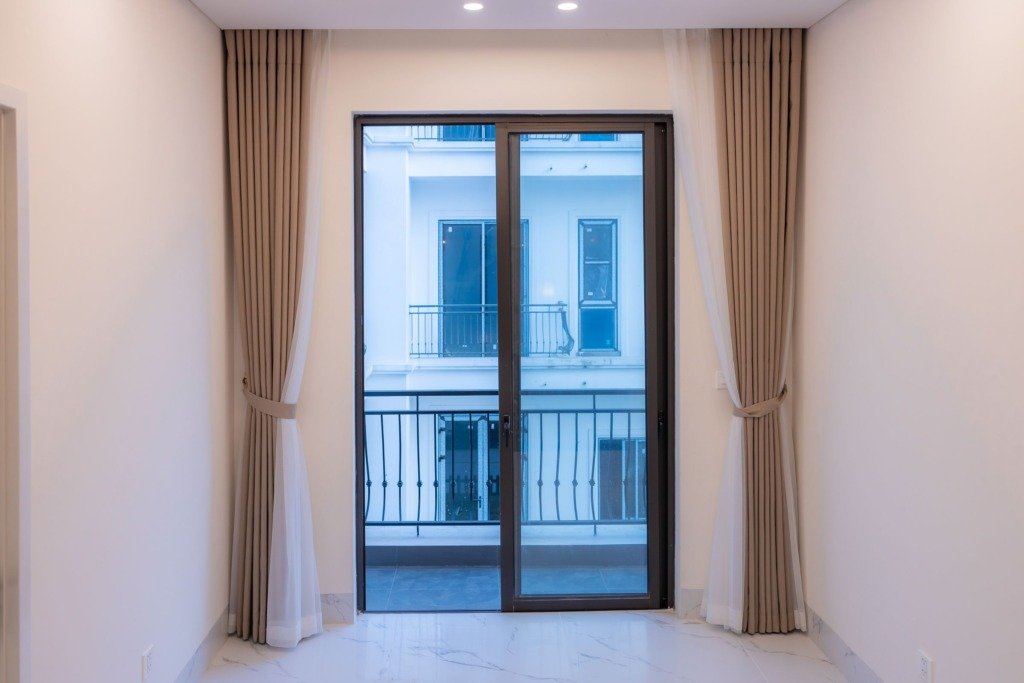
Cairo’s sun is strong for most of the year, and a room with large windows or a west facing exposure will show far more sheen variation across the day than the same finish would in a dimmer climate. A satin or gloss finish under strong direct sun can develop a visible glare at certain angles, sometimes distracting enough that clients ask us to repaint a wall they loved on the sample chip once they see it lit by the afternoon sun in July.
This is exactly why we always test a finish on an actual wall in the room it will live in, at different times of day, rather than trusting a small sample card held under a showroom’s even lighting. A finish that looks perfect at ten in the morning can look completely different by four in the afternoon once direct light hits it at a low angle.

If you are weighing this alongside other choices, our guide to Villa Staircase Design in Cairo: Materials and Light is worth reading next.
Matching Finish to Room and Use
Bedrooms and living rooms, lower traffic and lower mess, suit matte or eggshell well, prioritizing the softer look over easy cleaning since neither room takes much daily abuse. Kitchens and bathrooms need more washability given splashes, steam, and general daily wear, making satin or a washable eggshell formulated for wet areas the better call. Hallways, especially in a family home, benefit from eggshell or satin simply because they take the most contact from hands, bags, and furniture moving through on a daily basis.
- Matte suits bedrooms and formal living rooms where the softer, non reflective look matters more than washability
- Eggshell is the practical all rounder for most walls in a Cairo home, balancing look and cleanability
- Satin handles kitchens, bathrooms, and hallways where regular wiping down is part of daily life
- Gloss and semi gloss belong on trim, doors, and cabinetry rather than full wall surfaces
The finish decides how a colour actually behaves in a room, which is why two identical shades in different sheens rarely look like the same colour once they’re on the wall.
Durability and Dust in the Cairo Context
Cairo’s fine dust settles on every surface, walls included, more visibly than people expect until they actually try to clean one. A more washable finish in higher traffic zones is not just about spills, it is about being able to wipe down a wall that has accumulated a fine layer of dust without leaving streaks or dulling the paint’s sheen over repeated cleanings.
Direct sun exposure also affects paint longevity, not just how it looks day to day. A wall that gets hours of direct afternoon light will fade faster than a shaded interior wall regardless of finish, which is worth factoring into how often a client should expect to repaint a particularly sun exposed room.
Common Mistakes We See
The most common mistake is choosing a finish purely by colour sample without considering the room’s light exposure or actual use. The second is defaulting to matte throughout an entire home for its soft look, then struggling to keep hallways and kitchens clean. The third is using gloss on full walls rather than reserving it for trim, which tends to highlight every imperfection in the underlying plaster rather than hiding it.
Preparing the Wall Before the Finish Goes On
A finish can only look as good as the surface under it. Glossier sheens reveal every ridge, patch and roller mark, so the more reflective the finish, the more preparation the wall needs.
Plaster, filler and sanding
Cracks and holes are filled, patches are sanded flush, and the whole wall is checked in raking light before painting begins. Holding a lamp close to the wall at a low angle shows flaws that ordinary daylight hides.
Dust before paint
Sanding leaves fine dust that must be wiped away, or it will be trapped in the film and show as roughness. In a dusty city, closing windows and cleaning the room between stages makes a visible difference.
Primer and sealer
A suitable primer evens out the absorbency of fresh plaster and patched areas, so the finish dries at a uniform sheen. Skipping it is a common reason for blotchy patches that no extra coat quite hides.
Testing a Finish Properly
A sample card tells you the colour, but only the wall tells you the finish.
Paint a large area
Paint a generous patch on the wall itself, not a small square, and let it dry fully before judging. Wet paint and dry paint can look different, especially in sheen.
Look at different hours and different lights
View the patch in morning light, in strong afternoon sun and under the lamps you will use in the evening. Switch the room lighting on and off to see how artificial light plays on the surface.
Judge it beside the floor and furniture
Look at the patch next to the flooring, curtains and larger furniture pieces. A finish that feels calm on its own can feel flat or too shiny beside natural materials.
Ceilings, Trim and Doors
These surfaces follow different rules from walls. Ceilings are usually best in a flat, non reflective finish, because they are seen at a raking angle and show every flaw in strong light. Doors and trim take knocks and handling, so a harder wearing sheen that wipes clean suits them. The aim is a clear, deliberate step in sheen between wall, trim and ceiling, rather than a mix that looks accidental.
Keep the trim sheen consistent through the home so that door frames and skirting read as one family from room to room.
Caring for Painted Walls
- Dust walls gently with a soft dry cloth before using any damp cleaning
- Test any cleaning method on a hidden corner first
- Wipe marks soon after they appear, before they settle into the film
- Avoid scrubbing hard on flatter finishes, which can polish the surface and leave shiny patches
- Keep a written record of the colour name and finish for each room so touch ups match later
Touching up a flat finish is usually easier than a glossier one, because the repair blends into its surroundings. A higher sheen can show the edge of a patch, so repainting a whole wall to the corners is often neater.
Frequently Asked Questions
Can I use more than one finish in the same room?
Yes, and it is common. Walls, ceiling, trim and doors often carry different sheens. Keep the steps between them clear and consistent so the room looks planned.
Does a glossier finish make a small room feel brighter?
It reflects more light, but it also reflects glare and shows surface flaws. Test it on the wall before deciding, as the effect depends on the light in that room.
Which finish suits a room for children?
A washable, low sheen finish usually balances easy wiping with a soft look. Avoid very flat finishes where marks are hard to remove.
Should the ceiling use the same finish as the walls?
Not usually. A flat finish is the safer choice for most ceilings because it hides flaws in strong light. A designer or painter can advise for the room in question.
Is it worth testing finishes if I already know the colour?
Yes. The same colour in a different sheen can look like a different shade, so testing the finish on the wall matters as much as testing the colour.
The right paint finish depends on the room’s light exposure and daily use as much as the colour itself, and testing a finish on an actual wall at different times of day is the only reliable way to know how it will really look in a Cairo home.
We tested three separate finishes on site before settling on the final scheme for Bedroom Concept Studies, a process that is a standard part of the Residential Interiors approach to any paint decision, and for the colour side of this same conversation, Choosing Paint Colours That Work With Cairo’s Light pairs well with everything covered here.

Free guide
Choosing Materials That Last in a Cairo Home
Leave your details and we will email you the guide on this subject straight away.
One guide, no repeat mailings.
Your guide is on its way
Check your inbox in a few minutes. If it is not there, look in your spam folder.