Majlis and reception room design in cairo homes still gets treated as an afterthought bolted onto the living room, and that undersells what a well-planned reception space can do for a family that hosts often. A majlis, in the way most Cairo families use the word today, is a formal seating room set apart from daily life, the place where guests arrive, where elders are seated first, where a big Eid gathering or an engagement visit happens without disturbing the rest of the house. Planning one properly, rather than just buying a nicer sofa set for the same room the family watches television in, changes how a home actually functions on the days that matter most.
This kind of decision comes up constantly in our Residential Interiors projects across Cairo, and it is usually worth settling early rather than late.
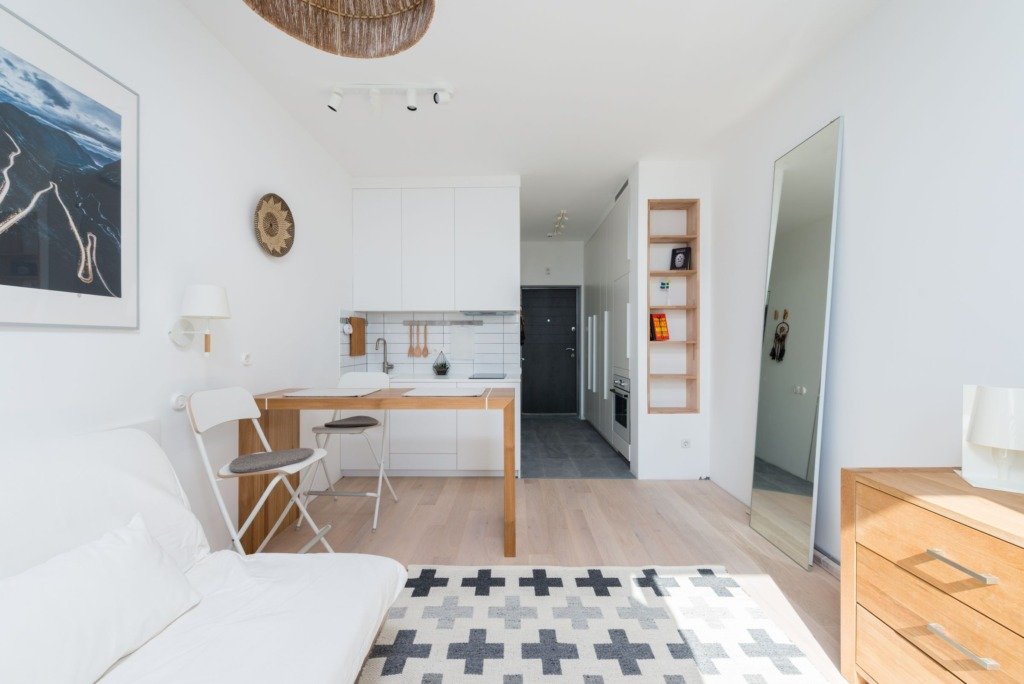
The starting point is separation. In villas and larger apartments across Sheikh Zayed, New Cairo, and the older streets of Heliopolis, a majlis usually sits closest to the entrance, so guests never have to cross through bedrooms or a lived-in family room to reach it. In a smaller apartment where a dedicated room isn’t possible, the same logic still applies at a smaller scale: an L-shaped or perimeter seating arrangement near the entry, closed off with a door or a sliding partition, can do the same job on a tighter footprint.
Getting the Seating Arrangement Right
Majlis seating follows different rules than a Western-style living room. Instead of two sofas facing a television, seating typically runs along the walls, facing inward toward the centre of the room, so a large group can see and speak with everyone present rather than half the room staring at a screen. This matters practically as much as culturally: a gathering of fifteen or twenty guests needs continuous seating, not a coffee-table cluster designed for four.
Depth and firmness matter more here than in a casual sofa. Guests sit upright for hours, often in formal clothing, so a majlis sofa should be firmer and slightly higher off the ground than a family-room sectional. A seat depth of 55 to 60 centimetres, rather than the deeper lounge depth of a media room sofa, keeps posture comfortable without swallowing a guest in cushioning that’s hard to rise from gracefully.
Majlis and Reception Room Design in Cairo: Materials That Hold Up
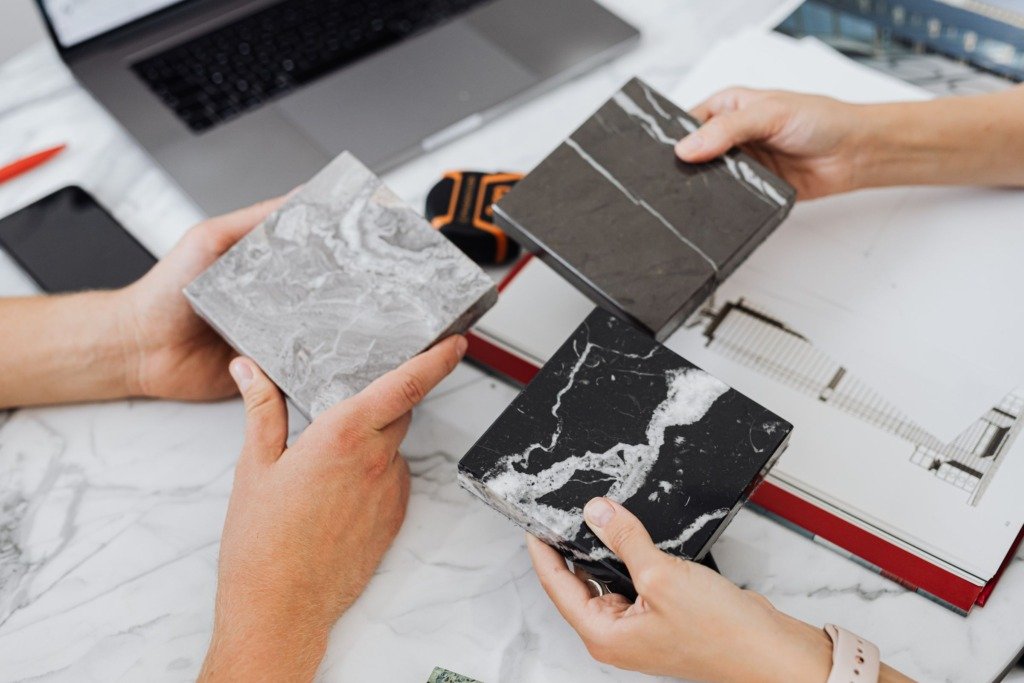
A reception room takes more wear than any other room in the house, in short, concentrated bursts, dozens of shoes at the entry, spilled tea, a crowded room during Ramadan iftars and Eid visits. Flooring should be chosen for that reality. Large-format porcelain or natural marble both perform well: easy to wipe down, cool underfoot in Cairo’s heat, and resistant to the grit that comes in from outside even in a well-swept compound.
Upholstery deserves the same scrutiny. A tightly woven performance fabric or a good-quality leather resists staining far better than a loosely woven linen blend, and in a room that might only be used a few times a month, durability matters less for wear-and-tear from daily use and more for how well a single spill wipes away without a lasting mark. Dark or richly patterned fabrics also hide small stains between deep cleans, which matters in a room that isn’t part of the daily household routine.
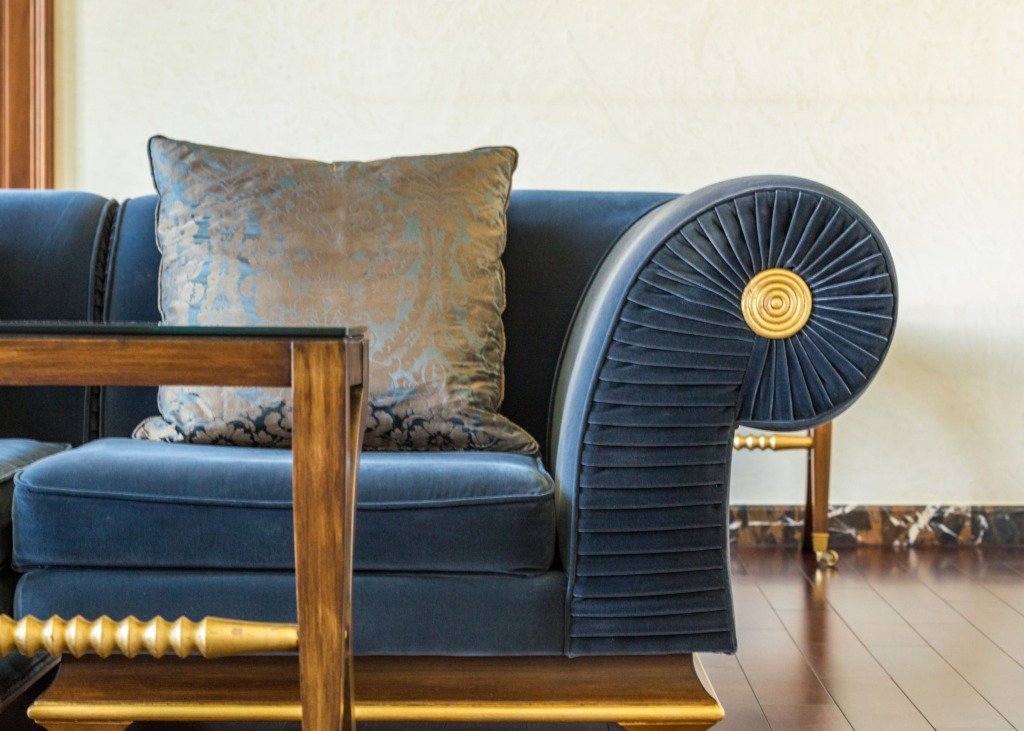
This pairs naturally with a related decision we cover in Prayer Room Design in a Cairo Home.
Lighting for a Room That’s Used After Dark
Most majlis gatherings happen in the evening, so daylight is less of a design driver here than in a living or dining room. Layered lighting matters more: a central fixture for general illumination, wall sconces or cove lighting for a warmer ambient layer, and enough dimming control to shift the room from bright and welcoming at arrival to softer once guests are seated and conversation has settled in.
Chandeliers and statement pendants are common in Cairo reception rooms for good reason, this is a room built to make an impression, and a strong central fixture does that instantly. The scale needs to suit the room; a fixture that reads as generous in a furniture showroom can dominate a real room that also has to seat twenty people comfortably.
Furnishing Beyond the Sofas
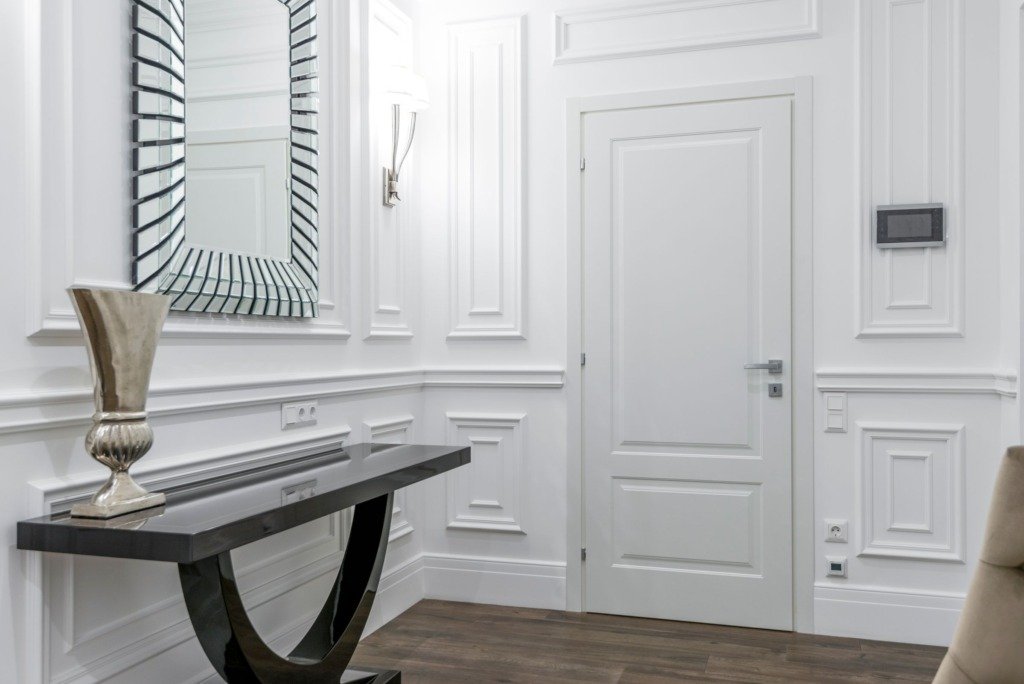
A majlis needs supporting furniture that a family room doesn’t: a console or sideboard near the seating for serving tea and coffee without a trip to the kitchen mid-conversation, low side tables spaced within reach of every seat, and enough floor clearance for a tea trolley to move around the room during a large gathering. Built-in storage along one wall, styled to look like furniture rather than utility, keeps extra cushions, prayer mats, or folding chairs out of sight until they’re needed.
Rugs anchor the room visually and also serve a practical purpose, defining the seating zone and absorbing sound in a room full of hard, wipeable surfaces. A large rug that runs beneath the full seating perimeter, rather than a small one centred under a coffee table, reads as more considered and holds up better to heavy foot traffic at the edges.
Common Mistakes to Avoid
The most common mistake is treating the majlis like a second living room and furnishing it with the same casual, deep-seated sofas meant for lounging in front of a television. The second is under-lighting it, assuming a single overhead fixture is enough for a room that needs to flatter both the space and the guests in it after dark. The third is skipping storage, which leaves a beautiful room looking cluttered the moment extra seating or serving pieces come out for a large gathering.
A majlis is judged the moment guests walk in, not after they’ve settled in, get the entry sightline and the first five seconds of lighting right and the rest of the room does its job.
Design a majlis as its own room with its own rules: formal seating that faces inward, durable materials that shrug off spills, layered evening lighting, and enough hidden storage to handle a large gathering without looking like one is happening. Treat it as an extension of the living room and it will always feel like an afterthought.
- Boxing in continuous wall seating that faces inward for large groups
- A console or sideboard placed near the seating for serving tea without a kitchen trip
- Layered lighting with dimming control for a room used mostly after dark
- A large rug beneath the full seating perimeter to anchor the room and absorb sound
Getting this balance right is part of how Residential Interiors approaches formal spaces from the first planning conversation, and Al-Shorouk Office Renovation included a dedicated reception room built around exactly this seating logic. Furniture choices carry the same weight in the everyday living room, which is why Choosing a Sofa That Will Actually Last in a Cairo Home is worth reading alongside this one.

Free guide
Choosing Materials That Last in a Cairo Home
Leave your details and we will email you the guide on this subject straight away.
One guide, no repeat mailings.
Your guide is on its way
Check your inbox in a few minutes. If it is not there, look in your spam folder.