Clients ask us early on whether a virtual vs in person design consultation is the right way to start, or whether it is worth waiting for someone to physically walk through the space first. The honest answer depends on the stage of the project and the complexity of the space itself. For a first conversation about a New Cairo apartment with straightforward layout, a video call is usually enough to get moving. For a villa with an awkward site line in Maadi, or a duplex with structural quirks, it rarely is.
It’s a detail we address as standard whenever we take on Consultation for a Cairo home.
We run both formats regularly out of our Cairo studio, and neither one is the lesser option by default. What matters is matching the format to what you actually need answered at that point in the process. Below is a straightforward breakdown of what each does well, and where each one genuinely falls short, so you are not guessing which to book.
Virtual vs In Person Design Consultation: What Actually Works
A video call is well suited to anything that can be explained with photos, a floor plan, and conversation. This covers most early-stage decisions: discussing your brief, walking through your Pinterest board or reference images, agreeing on a rough budget range, and getting an initial read on whether your taste and the studio’s approach are a good match. For clients based outside Egypt, or Cairo residents renovating a second home while living abroad, this is often the only realistic option at the start.
- Reviewing existing photos and a rough floor plan together
- Discussing budget range and priorities before committing to a full brief
- Getting a first impression of style direction and material preferences
- Scheduling around work hours without travel time added on
Where an In-Person Site Visit Is Hard to Replace
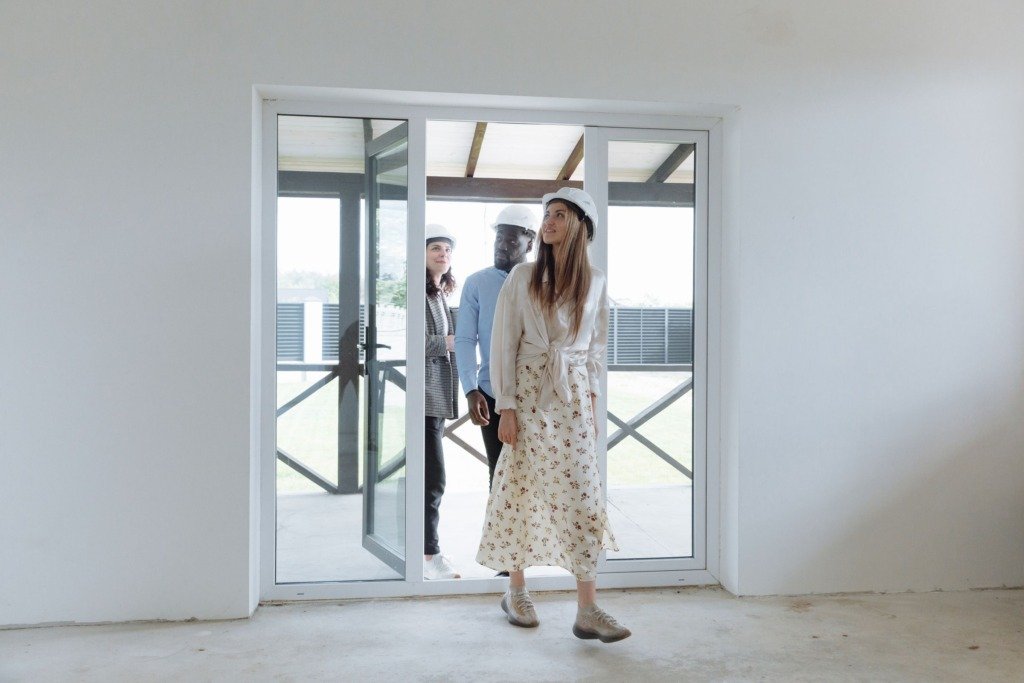
Some things simply do not translate through a screen. Natural light changes character throughout the day in a way photos flatten out. Ceiling height, the sound a room makes, humidity near a window, the actual finish of an existing floor: these register differently in person than in a video call, however good the camera. In Cairo specifically, we also want to see how light hits a west-facing living room in the afternoon before recommending window treatments, something no photo timestamp reliably communicates. This is particularly true in older Cairo buildings and Zamalek apartments, where original wall conditions or non-standard room dimensions rarely show up accurately in a listing photo or a quick phone video.
For a closer look at a related piece of the puzzle, see What a Scope of Work Document Should Actually Cover.
What Gets Lost on Screen
Beyond light, a video call struggles with scale. Clients frequently misjudge how large or small a space feels once furniture and people are actually standing in it, and a wide-angle phone photo makes almost any room look bigger than it is. Site conditions like uneven walls, existing electrical points, or awkward columns are also easy to miss remotely, and they tend to surface later as costly surprises if no one caught them early. This matters even more in a market like Cairo’s, where many buildings were adapted or extended informally over the years, so what’s on the original plan and what’s actually on site can differ.
How We Usually Structure a Virtual Consultation
- A shared call to walk through your brief, references, and rough budget
- A request for a basic floor plan or, at minimum, room measurements
- Photos and a short video walkthrough taken by you, room by room
- A follow-up call once we’ve reviewed everything, with early direction
When It’s Worth Insisting on In Person
If the project involves any structural change, a full renovation, or a space you have not yet seen finished light in, book the site visit. The same applies if you are choosing between two very different layout options: a decision like that is genuinely easier to make standing in the room than looking at a plan on a screen. A short site visit early on frequently saves a much longer, more expensive correction later.
A photo tells you what a room looks like. Standing in it tells you what it feels like, and feel is what you actually live with.
What to Prepare Before Your Consultation
Gather the basics
- A floor plan, or room measurements if no plan exists
- Photos of each room taken at different times of day
- Reference images, including ones you dislike
- A short list of furniture and pieces that must stay
Decide who joins the conversation
If a partner, parent or family member will share the space, invite them to the first call or visit. A brief agreed by one person and questioned later by another is one of the most common reasons a concept needs rework.
What Changes the Brief and the Fee
Studios scope a consultation differently, so it helps to know what moves the brief before you ask for a quote.
The size and type of the space
A single room, a full apartment and a villa with outdoor areas each need a different amount of thinking. The more rooms and levels involved, the more a studio has to review, and that is usually reflected in the fee.
The condition of the building
A newly handed over unit is easier to assess than an older building with changes made over the years. If the real conditions are uncertain, the studio may suggest a site visit before fixing the scope.
How much you want delivered
Some clients want direction and a mood, others want drawings, a materials list and a plan for the work. Say early which you expect, because it changes both the effort and the fee.
Planning Order After the First Consultation
Once the first conversation is done, the order of decisions matters more than speed.
Layout comes before finishes
Settle how rooms are used and where furniture sits before choosing colours or materials. Finishes chosen too early tend to be undone when the layout moves.
Fixed items come before loose ones
Decide kitchens, bathrooms, lighting points and joinery before sofas and decor. Fixed items are hard to change, and loose items can be chosen to suit them.
Lead times shape the schedule
Made to order furniture, stone and imported items take time to arrive, so the studio will ask for early decisions on those even when the rest is still open.
Working Remotely With a Cairo Studio
Measure and photograph carefully
If you are abroad, ask someone you trust to measure and photograph the space following the studio list. Clear, consistent records reduce the chance of surprises later.
Keep decisions in writing
After each call, the studio should send a short summary of what was agreed. Reply to confirm or correct it so that both sides work from the same record.
Plan around time differences
Agree call times that suit both sides, and use messages for small questions so decisions are not held up waiting for the next call.
Comparing Consultation Offers
When you compare studios, compare what each consultation actually includes rather than the label. Ask whether the format is virtual or in person, whether a site visit is part of it, and what you receive afterwards, such as a written summary or a first direction.
Also ask whether the consultation fee is separate from the design fee or counted towards it. Either can be reasonable, as long as it is stated clearly before you book.
Frequently Asked Questions
Can a first consultation be done fully online?
Yes, for early decisions such as brief, style and budget range. A site visit is better once structural work or layout choices are involved.
Should the site visit come before or after the video call?
Usually after, so the studio arrives knowing your brief and can focus on what only the room can tell it.
What if I live abroad?
Start virtually and arrange measurements and photos, then ask the studio how a site visit can be added when it matters.
Does a consultation commit me to a full project?
It should not. Check the terms in writing so you know what happens after the consultation ends.
Neither format is inherently better. Use the video call to move quickly on things that don’t require physical presence, and reserve the site visit for decisions where scale, light, and existing conditions genuinely change the answer.
Most projects through Consultation start virtually and shift to in person once the scope is clear, which is roughly how a project like Taj City Villa Project came together: early alignment on a call, then a site visit before anything was finalised. If your situation leans more toward working entirely remotely, Working With an Interior Designer Remotely, and When It Works Best covers what that looks like end to end.

Free guide
Working With an Interior Designer: What to Expect
Leave your details and we will email you the guide on this subject straight away.
One guide, no repeat mailings.
Your guide is on its way
Check your inbox in a few minutes. If it is not there, look in your spam folder.