Choosing a rug for a Cairo home comes with a problem most cities do not have to think about quite as seriously: fine dust that settles indoors within days no matter how often windows and doors stay closed, on top of the usual questions of size, placement and material. A rug that looks good in a showroom but traps dust or is genuinely hard to clean will become a source of low-grade frustration within a few months of daily life.
This is exactly the kind of decision our Residential Interiors team walks through with every Cairo client.
Size and placement are where most rug decisions actually go wrong, more often than material choice, since a rug that is too small for its furniture grouping makes an entire living room look unanchored no matter how good the rug itself is.
Choosing a Rug for a Cairo Home: Getting the Size Right
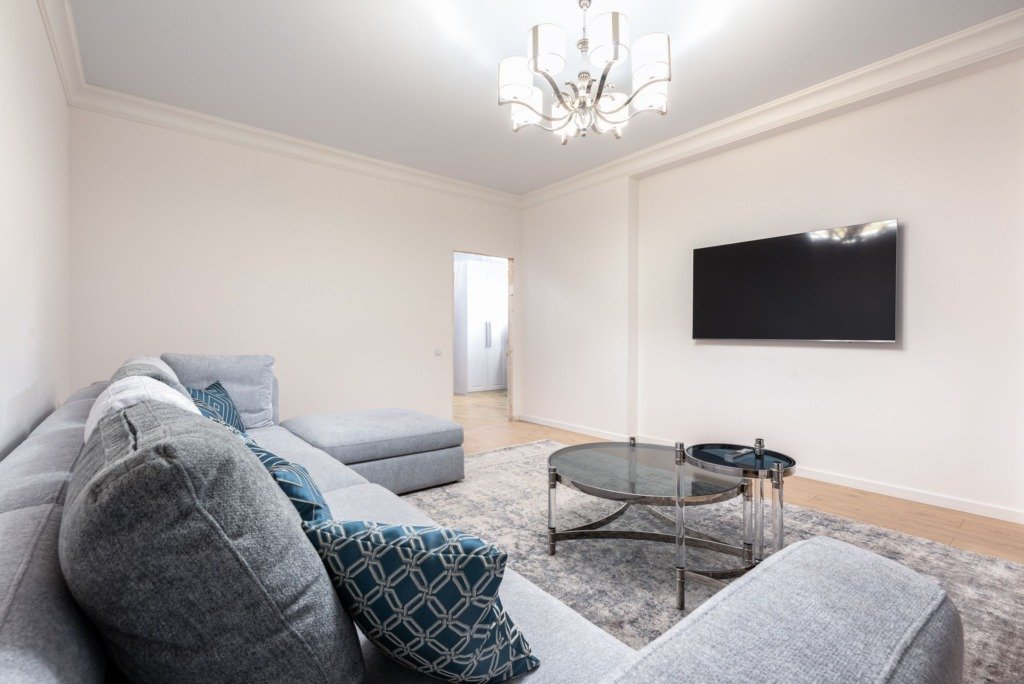
In a living room, the front legs of every major seating piece, sofa and armchairs, should sit on the rug, with all four legs on it being the more generous and generally better-looking option where the room allows it. Under a dining table, the rug needs to extend at least 60 to 70cm beyond the table’s edge on every side, so chairs stay on the rug even when pulled out. A rug that only fits under the table itself, with chair legs landing on bare floor the moment anyone sits down, is the single most common sizing mistake in a dining room.
Materials That Cope with Dust
Material choice matters more here than in most climates, since a rug that cannot be cleaned easily becomes a genuine daily nuisance rather than a minor inconvenience.
- Flatweave wool or synthetic rugs shake out and vacuum far more easily than deep, high-pile rugs where dust settles into the base and stays there
- Natural fibres like jute and sisal look striking but hold onto dust and are genuinely difficult to deep clean, better suited to low-traffic areas than a main living room
- A rug with a washable, low-pile construction is worth the trade-off in plushness for a home with young children, pets, or a balcony door that stays open often
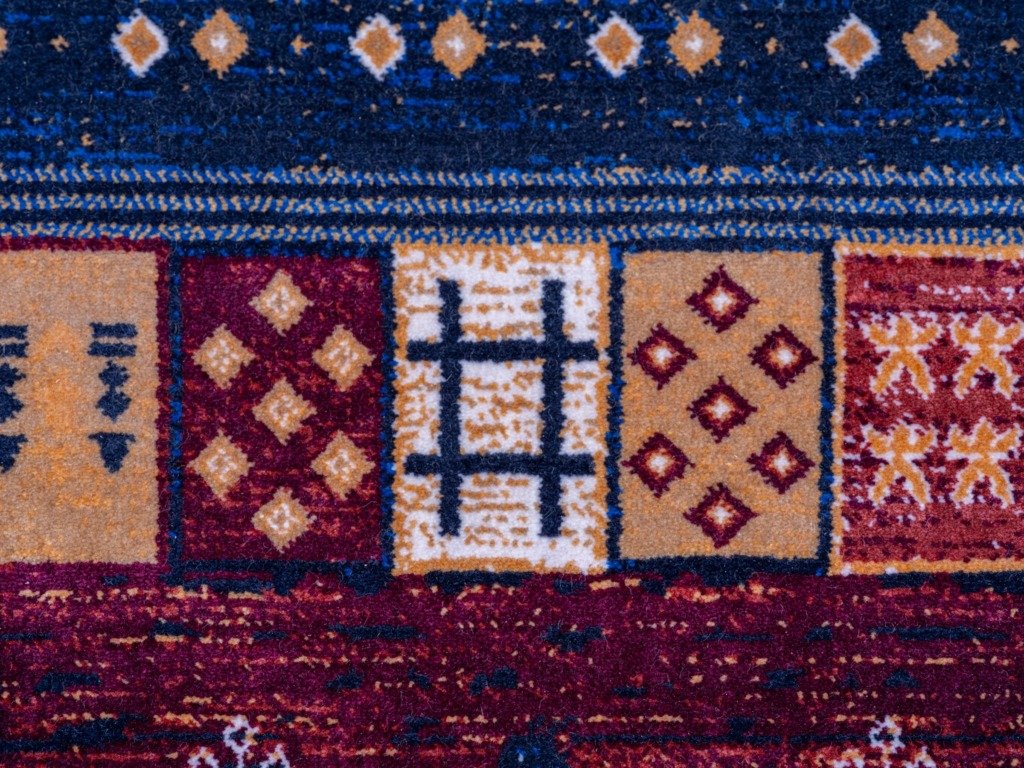
- Darker, patterned rugs hide dust and daily wear between cleanings far better than plain pale ones
If you are weighing this alongside other choices, our guide to Choosing Wall Art for a Cairo Home is worth reading next.
Wool, Synthetic or Natural Fibre: Weighing the Trade-offs
Wool remains the benchmark for feel and durability, resisting crushing and staining better than most synthetics while ageing gracefully rather than looking simply worn, though it costs considerably more and needs proper cleaning rather than a quick vacuum to stay looking fresh. Synthetic fibres, particularly polypropylene and nylon blends, cost far less and clean more easily, which makes them a genuinely practical choice for a busy family room or a rug that gets heavy foot traffic from a balcony door. Natural fibres suit a study or a formal, low-traffic room where their texture is the main appeal, but they are the hardest of the three to keep looking clean once real household dust and daily use get involved.
Placement Rules Beyond the Living Room
In a bedroom, the rug should extend at least 45 to 60cm beyond both sides of the bed, so bare feet land on it getting in and out rather than on cold tile. In an entryway, a durable, easy-to-clean rug placed just inside the door does real work trapping dust and grit before it spreads through the rest of the apartment, which matters considerably more here than in a climate with less airborne dust to manage. A hallway runner should leave a consistent margin of visible floor on both sides, generally 10 to 15cm, rather than running wall to wall.
Rugs Over Underfloor Heating or Cooling
Some newer New Cairo apartments and villas include underfloor systems, and a rug placed over one needs a breathable, lower-pile material rather than a dense, insulating weave that blocks the system’s effect entirely. If in doubt, check with whoever installed the flooring system before buying a thick rug for a room with underfloor heating or cooling, since a rug chosen without this in mind can quietly undo a feature the household paid a real premium for. This is a relatively new consideration in Cairo housing stock, but it is becoming more common in newer developments and is worth asking about before you commit to a thick rug.
A rug that is too small makes an entire seating arrangement look like it is floating, no matter how good the furniture around it is.
What to Prepare Before You Shop for a Rug
Measure the Room and the Furniture Layout
Before looking at a single sample, mark the intended rug position on the floor with masking tape and place the furniture around it on paper or in a simple sketch. Seeing the outline on the actual floor shows quickly whether a rug will reach the sofa legs, clear the dining chairs or leave a sensible border of bare floor along the walls.
Decide How the Room Is Actually Used
A living room where children play on the floor needs a different rug from a formal reception that is used only for guests. Write down who uses the room, whether shoes are worn indoors, where pets sleep and how often the balcony door stays open. These simple answers narrow the choice of material faster than any showroom visit.
Pile, Weave and Backing Explained
Low Pile Versus High Pile
Low pile rugs sit close to the floor, vacuum cleanly and let doors and chairs move without catching. High pile rugs feel soft underfoot and suit a bedroom, but they hold dust deep in the base and take more effort to keep fresh. In most Cairo living areas, a low or medium pile is the more forgiving daily choice.
A Rug Pad Is Part of the Rug
A good pad stops the rug from creeping across tile or marble, protects the floor surface and adds a little cushioning. Slippery polished floors make this especially important near dining chairs and hallways, where a moving rug becomes a safety problem rather than a style problem.
Colour and Pattern in Daily Life
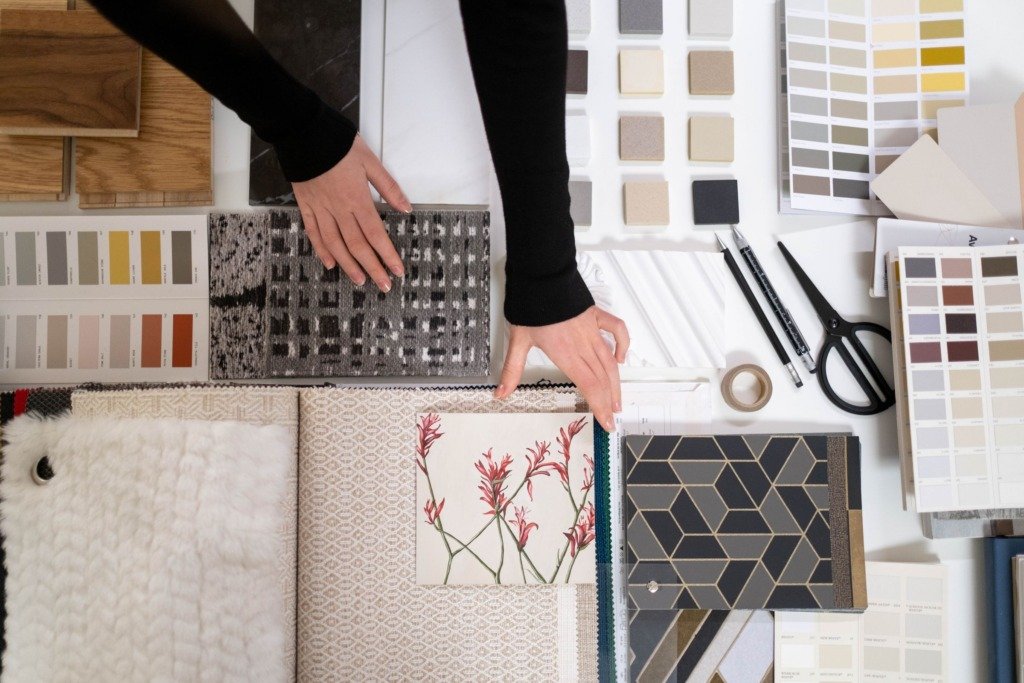
Colour is usually the last thing to fix, because it should respond to what is already in the room. Take a fabric sample of the sofa, a paint swatch of the walls and a piece of the flooring to see the rug sample next to them in both morning and evening light.
- A busy pattern forgives spills, crumbs and footprints between cleanings
- A plain pale rug looks calm but shows every mark, so it suits low-traffic rooms
- A rug with two or three colours already in the room ties the scheme together
- A strong pattern works best when the sofa and curtains are plain
Comparing Quotes and Lead Times
Compare Like With Like
Two rugs of the same size can differ greatly in fibre, density, backing and finish, so ask each supplier for the same details in writing. A quote that looks lower often leaves out the pad, delivery or the cost of trimming and finishing the edges.
Allow for Made to Order Time
Custom sizes and imported rugs take longer to arrive than stock items. Order the rug once the flooring is finished and the furniture position is confirmed, but start the search early so that the rug is not the last item holding up a finished room.
Frequently Asked Questions
Can I choose a rug before the furniture arrives?
Yes, as long as the furniture sizes are confirmed. Work from the exact dimensions of the sofa and table rather than from memory, and leave the final colour decision until you have seen fabric samples.
Should a rug match the sofa?
Not exactly. A rug that is close to the sofa in tone looks flat, so aim for a clear step lighter or darker, or a pattern that picks up one colour from the room.
Is it fine to layer two rugs?
Layering works well when a large plain base rug sits under a smaller patterned one. It adds texture to a living room, but keep the base flat so that furniture stays stable.
How do I look after a rug in a dusty climate?
Vacuum regularly, rotate the rug now and then so that wear is even, and take it for professional cleaning when it needs more than a vacuum. Following the care advice from the supplier protects the fibres.
Size the rug to the furniture grouping first, then choose a material that can actually be cleaned easily given how quickly dust settles indoors here.
Rug sizing and placement are part of the same room-planning process inside Residential Interiors, and Villa Exterior Project chose a low-pile, easily cleaned rug precisely because the living space opens onto a balcony used daily. Flooring and the materials that sit on top of it are closely connected, and Choosing Flooring for a New Cairo Apartment looks at the base layer this decision sits on.

Free guide
Choosing Materials That Last in a Cairo Home
Leave your details and we will email you the guide on this subject straight away.
One guide, no repeat mailings.
Your guide is on its way
Check your inbox in a few minutes. If it is not there, look in your spam folder.