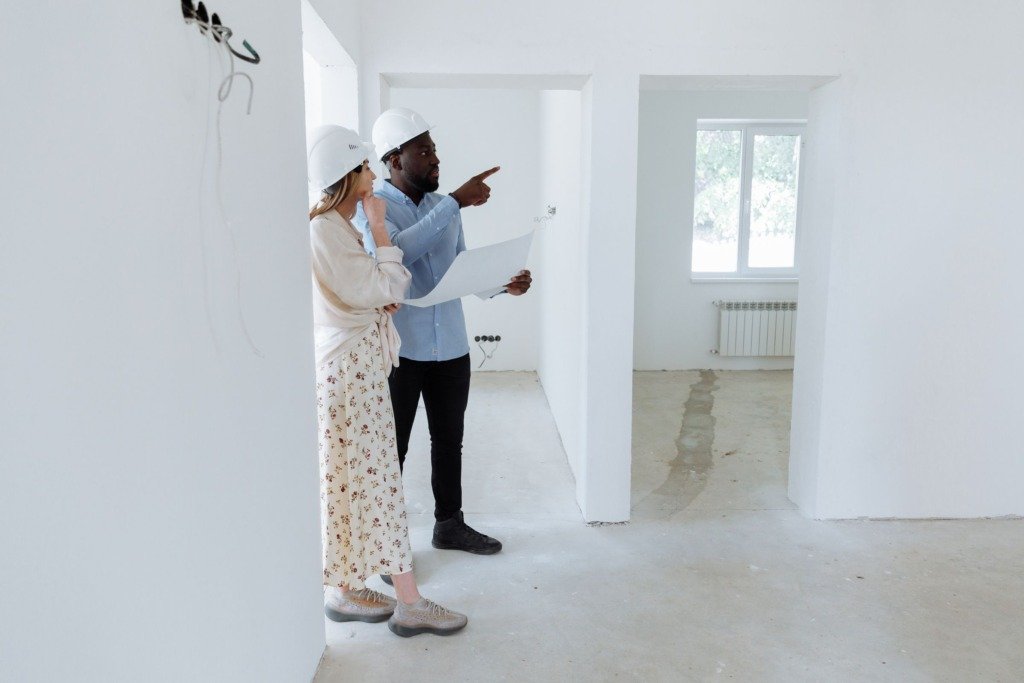
Site visits during a renovation in Cairo follow a rhythm most clients only learn by living through one project. They are not simply a chance to look at progress. Each visit has a purpose, whether that is checking a specific stage before it gets covered by the next one, or resolving something that only makes sense standing in the actual space.
It’s a detail we address as standard whenever we take on Residential Interiors for a Cairo home.
Knowing what a visit is for, and how often to expect one, makes the whole process feel far less like waiting for updates and more like being genuinely involved.
How Often Visits Typically Happen
- Weekly during active construction, to check progress against the schedule
- At key milestones: after demolition, before walls close up, before tiling begins
- Whenever a decision genuinely needs to be made on site rather than from a drawing
- A final pre-handover visit, separate from the handover itself
The exact frequency depends on the scale of the work. A single room refresh might need two or three visits in total. A full villa renovation can mean weekly visits for months.
What Gets Checked at Each Stage
- Before walls close: wiring, plumbing runs and any structural work, since these are the last chance to see them
- Before tiling: level floors, correct falls toward drains, and surfaces prepared as specified
- Before painting: filler and plaster finished properly, since paint hides nothing but forgives nothing either
- Before furniture delivery: that the space is genuinely ready, not just close to ready
The visits that matter most are the ones before something gets covered up. After that point, a mistake is a demolition, not a note on a list.
What to Look For as the Client
You do not need construction experience to add value at a site visit. Look at what was promised against what exists: the number of sockets in the position agreed, the tile laid the direction discussed, the window that was meant to open a specific way. These are the details a designer is checking too, and a second pair of eyes rarely hurts.
When a Visit Can Be Skipped
Not every stage needs your presence. Routine work that matches the drawings exactly, with no decision pending, can proceed without a client visit, and a designer visiting on your behalf is a normal part of most engagements. Reserve your own visits for milestones and decisions, rather than attending every stage out of general anxiety about the project.
For a closer look at a related piece of the puzzle, see How Interior Designers Coordinate with Contractors and Architects.
How to Prepare for Site Visits During a Renovation in Cairo
Wear closed shoes and clothes you do not mind getting dusty, bring a phone to photograph anything you want to ask about later, and write down questions as they occur to you rather than trying to remember them until the end of the walkthrough. A short list prepared in the car on the way there is usually more useful than trying to think on the spot once you are standing in an unfamiliar, half-finished room.
What Happens After Each Visit
A good visit ends with a short written summary: what was seen, what was agreed, and what happens next. Without this, decisions made verbally on site have a habit of being remembered differently by different people a few weeks later. Ask for this summary if it is not offered automatically, since it becomes the record everyone refers back to if a question comes up afterward.
A Note on Remote Projects
Even a project run mostly remotely benefits from occasional in-person visits at genuine milestones, handled by a local surveyor, a trusted representative, or the client themselves if they are able to attend. Video walkthroughs handle a great deal, but a milestone visit before something is covered up is worth arranging in person wherever possible.
Planning the Visit Schedule
Tie visits to stages, not dates
Construction rarely follows a calendar exactly. A visit fixed to a stage, such as before the walls close, happens when the work is ready, which is more useful than one that lands a day too early or too late.
Ask the contractor for notice
Agree that the contractor tells the designer before a hidden stage is closed up. That one habit protects more of the project than any other.
Plan around delivery and trades
Visits work best when the main trades are present, so questions can be answered on the spot. A visit when the electrician or the joiner is absent often ends with questions still open.
What Changes the Number of Visits
Several things push the number of visits, and sometimes the fee, up or down.
- The size of the property and the number of floors
- How much structural work or relocation of services is involved
- Custom joinery, stone or other items that need checking before installation
- Whether the contractor is new to the studio or already known
- How far the site is from the studio and how easy it is to reach
Materials, Climate and Site Conditions
Heat and drying
Plaster, screed and paint dry differently in hot weather and in cooler months. A visit before painting should check that surfaces are properly dry and finished, not only that they look ready.
Dust and protection
Finished floors and joinery already installed need covering while other trades continue. Check that protection is in place on each visit, since damage to a finished surface is slow and costly to put right.
Access and building rules
Some buildings and compounds limit working hours or deliveries. Check the rules with the management or developer before scheduling a visit, so nobody arrives to a closed gate.
Remote Clients and Site Visits
If you are abroad, the studio can attend visits on your behalf and report back with photographs, short videos and a written summary. A live video call from site at a key milestone lets you see the same thing and ask questions as they arise.
Frequently Asked Questions
Do I have to attend every site visit?
No. Your presence matters most at milestones and decisions. The studio can attend routine visits for you and send a summary afterwards.
Can I bring family members or friends along?
It is better to keep the group small, because a crowded site is harder to supervise and conversations become unclear. Anyone who helps decide should come, and the rest can see photographs afterwards.
What should I do if I notice a problem on a visit?
Photograph it, mention it to the designer rather than only to the workers, and ask for it to be recorded in the visit summary with a clear next step.
Are extra visits possible if I need more?
Yes, usually. Check how extra visits are handled in your agreement at the start, so there is no surprise later.
What happens if the work is not ready on the day?
The visit is moved. A visit to a stage that is not ready wastes everyone time, and it is better to rearrange than to check half-finished work.
Ask for a rough visit schedule at the start of construction, not week by week. Knowing the shape of the whole process in advance is what makes the individual visits feel useful rather than reactive.
Site Safety on a Visit
A live construction site is not a finished room. Hard hats, closed shoes and a walk led by whoever is supervising that day are standard, not excessive caution, and a site that resists basic safety practice on a client visit is worth noticing for what it says about the rest of the work.
Site supervision and visit scheduling are part of how Residential Interiors runs through construction, and Villa Exterior Project was walked through at each of these stages before anything was covered up. For how the whole schedule fits together stage by stage, How Long an Interior Design Project Actually Takes, Stage by Stage lays out the order.

Free guide
The Renovation Process in New Cairo, Step by Step
Leave your details and we will email you the guide on this subject straight away.
One guide, no repeat mailings.
Your guide is on its way
Check your inbox in a few minutes. If it is not there, look in your spam folder.