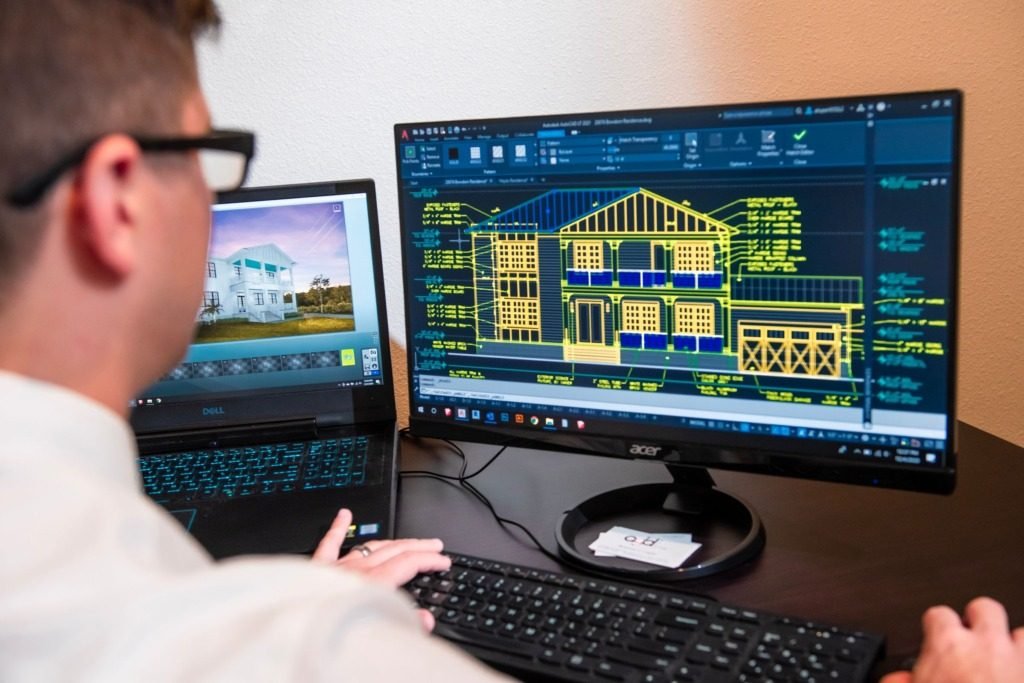
The Saudi interior design market has grown fast enough that a weak portfolio is easy to disguise behind good renderings. Renderings are the easiest part of this work to fake; a drawing set and a materials specification are not.
Ask to See the Documentation, Not Just the Photos
A finished project photograph tells you almost nothing about how it was designed. Ask instead for a sample layout drawing, a lighting plan and a materials schedule from a past project. A designer who hesitates to show this level of documentation is usually one who does not produce it.
Signals Worth Trusting
- A written scope of work before any money changes hands
- A fee structure explained in plain terms, whether per square metre, percentage-based or a fixed package
- Willingness to name real cost ranges rather than only a final headline number
- A portfolio with more than one style, showing judgement rather than a single formula repeated
- References or past clients you can actually contact
Signals Worth Questioning
A quote with no breakdown, pressure to sign before a scope of work exists, or a portfolio made entirely of stock renderings rather than photographed completed work are all reasons to slow down and ask more questions, not reasons to walk away automatically, but reasons to dig further before committing a deposit.
A designer who can explain their fee in one sentence, and their process in five, is usually the one worth hiring.
Local Versus Remote Is the Wrong First Question
Whether a designer is based in Riyadh or working with you remotely from another country matters less than whether they produce a complete drawing package your contractor can actually build from. That documentation is what determines whether the finished result matches what you agreed to, not the designer’s physical location during the process.
What a First Conversation Should Cover
Budget range, timeline, which rooms are in scope, and whether the engagement is design-only or design-and-build. A Consultation that starts with this conversation, rather than jumping straight to mood boards, is one that is trying to scope the project correctly before pricing it.
Questions to Ask Before You Commit
How Will You Read My Brief?
A good designer repeats your brief back to you in her own words and points out where parts of it pull against each other, such as a large budget wish list with a small budget. If the reply is only enthusiasm and mood images, the real thinking has not started yet.
Who Actually Does the Work?
Some studios present a senior designer in the first meeting and hand the drawings to someone else. Ask who will draw, who will specify materials and who you will speak to when a decision is needed. Knowing this early avoids surprises about responsibility later.
What Happens When the Site Differs From the Drawing?
Walls are rarely exactly where the plan says, and old buildings hide pipes and beams. A reliable designer has a method for this: site measurements are confirmed, drawings are updated and the change is shared with your contractor in writing. Ask to hear that method described.
Read the Agreement Before You Sign
The agreement should name the scope, the deliverables at each stage, the number of revision rounds, who owns the drawings and what happens if either side ends the work early. If any of this is vague, ask for it to be written clearly. A simple, readable agreement is a good sign.
Notice How Questions Are Answered
Pay attention to the first conversations. A designer who answers directly, admits what she does not yet know and explains her reasoning will usually work the same way during the project. Vague or hurried answers at the start tend to continue.
Checking Experience and References
Look for Relevant Projects
A beautiful apartment portfolio says little about whether the studio can handle a villa with a majlis, a service area and outdoor spaces. Look for work at the scale and type of your own home, and ask what was difficult about it and how it was solved.
Speak to a Past Client
A short conversation with a former client tells you more than any testimonial on a website. Ask whether drawings arrived when promised, how questions were answered during construction and whether the final result matched the plan. Listen for how problems were handled, not whether there were any.
Read the Style Carefully
Choose a designer whose taste you respond to but who can also work within yours. A studio that listens will produce a home that feels like the family who lives in it, not a copy of the last project in the portfolio.
Understanding the Process and the Fee
The Usual Stages of Work
Most projects move from brief to concept, then layout, then detailed drawings and specification, then site support. Each stage should end with something you can review and approve. If a designer cannot name the stages, the process is probably being invented as it goes.
How the Fee Is Staged
A fair arrangement links payment to delivered stages, so the studio is paid as work is completed and you can see what each payment bought. Be careful with any request to pay most of the fee before drawings exist. Staged payment protects both sides.
What Is Not Included
Ask plainly what the fee does not cover. Furniture purchases, contractor costs, permits and site visits are commonly separate. A designer who lists exclusions openly is easier to trust than one whose quote appears to cover everything and then grows.
Working With a Designer Remotely
Communication Habits
Agree how you will communicate: scheduled calls for decisions, a shared folder for documents and a written summary after every meeting. Remote work succeeds when decisions are recorded, not when messages are fast.
Documents and Approvals
Keep one approved set of drawings and number each version. When something changes, the new version replaces the old one everywhere. This simple habit prevents most of the confusion that builds up between a designer, an owner and a contractor in different places.
Coordination With Your Local Contractor
Introduce the designer and the contractor early, ideally before the drawings are final. The contractor can flag practical issues while changes are still easy, and the designer can explain intent so nothing is built from guesswork.
What to Prepare Before the First Conversation
Plans and Photographs
Gather any plans you have, even rough ones, and take clear photographs of each room in daylight. Add notes about what bothers you in the current layout. These simple materials let a designer give a more useful first answer.
Budget and Priorities
Be ready to talk about a realistic budget range and rank what matters most, such as storage, hosting space, light or durability. A designer who knows your priorities can protect them when compromises are needed.
Frequently Asked Questions
Should I choose a designer based in Saudi Arabia?
Not necessarily. What matters is a complete drawing package, clear communication and a contractor on site who can build from it.
How many designers should I speak to?
Two or three is usually enough to compare approach and communication. More than that tends to blur the differences rather than clarify them.
Is a low fee a warning sign?
Not by itself, but check what it includes. A low fee that excludes drawings or site support may cost more once those are added.
What should the first meeting leave me with?
A clear picture of the scope, the stages, how the fee works and what the designer needs from you next. If you leave confused, ask for a written summary.
Can I change designers midway?
It is possible, but it is easier when the agreement defines what you own at each stage. Ask about this before signing, not after a disagreement.
Before signing anything, ask for one sample drawing package from a past project. What you see in that document is a better predictor of the finished result than any portfolio photo.

Free guide
Working With an Interior Designer From Saudi Arabia: What to Expect
Leave your details and we will email you the guide on this subject straight away.
One guide, no repeat mailings.
Your guide is on its way
Check your inbox in a few minutes. If it is not there, look in your spam folder.