It is one of the most avoidable and most expensive moments in furnishing a home. The delivery arrives, the sofa goes into the lift at an angle, comes out again, goes to the stairs, and stops at the turn between the third and fourth floors. At that point there are three options and all of them are bad: return it and wait months, pay for a crane and a window removal, or have it cut and rebuilt inside the apartment.
Every part of this is preventable with fifteen minutes of measuring before the order is placed, and almost nobody does it.
The Four Measurements That Decide Everything
- The lift car: width, depth and internal height, and whether the ceiling hatch opens
- The narrowest doorway on the route, measured between the stops rather than the frame
- The stairwell turn: the clear space at the landing, which is what stops long items
- The apartment entrance door and the turn immediately inside it, which is often tighter than the door
The number that matters for most large items is the diagonal, not the width. A sofa two metres deep can pass a narrower opening tilted, and a rigid item that cannot tilt cannot use that allowance at all.
Items That Cause the Most Trouble
- Three seat and corner sofas with fixed frames and non removable legs
- Large format mirrors and artwork, which cannot be tilted safely
- Dining tables with fixed one piece tops
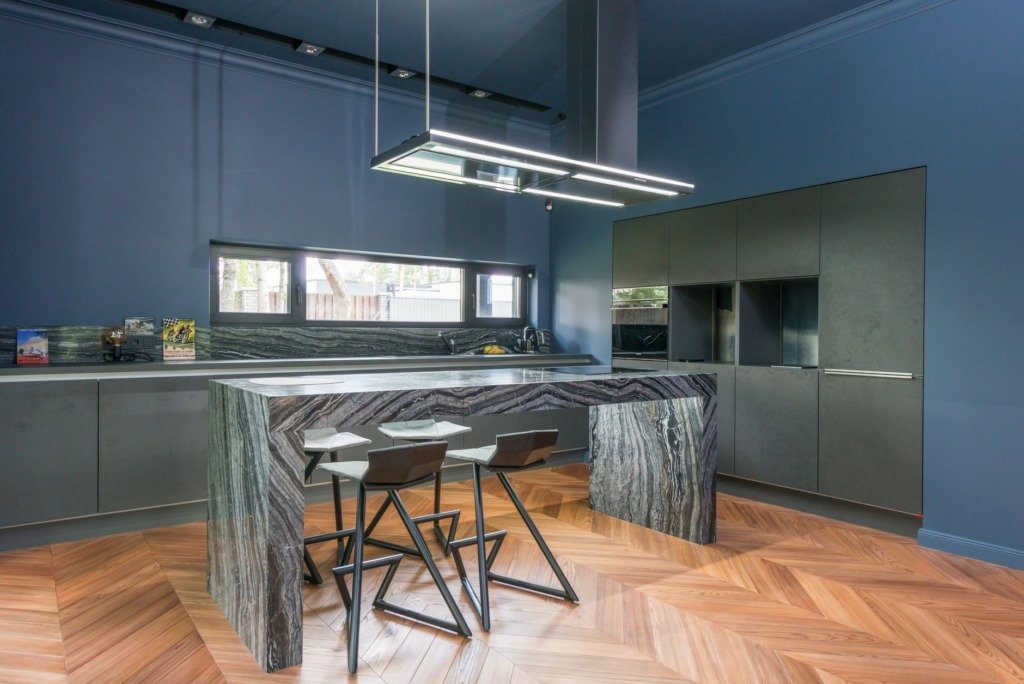
- Stone and marble slabs, which are heavy, rigid and unforgiving
- Tall wardrobes delivered assembled rather than flat packed
Measure the diagonal, not the width, and measure the landing turn rather than the door. That is where furniture actually gets stuck.
What to Ask the Supplier Before Ordering
The packed dimensions, whether legs and feet are removable, whether the item can be delivered in sections and assembled inside, and whether the frame can be disassembled at all. A supplier who cannot answer these is one to be cautious with, and a supplier who offers a knock down or modular version has solved the problem for you.
When It Genuinely Will Not Fit
Sometimes the piece is right and the building is the problem, and there are real options. Modular sofas assemble from parts that pass easily. Local workshops can build a piece inside the apartment, which is often how large corner seating arrives in upper floors. Crane hire through a balcony or window is expensive but routine in Cairo and sometimes the sensible answer for a single important item. What is rarely sensible is buying something you love and hoping.
New Cairo Compounds and Delivery Access
In many New Cairo and Fifth Settlement compounds, access has an administrative layer as well as a physical one. Service lifts must be booked, delivery hours are restricted, gate permits are needed in advance and some buildings require protection to be installed in the lift before use. A delivery that is physically possible can still fail because nobody arranged the permit, and rescheduling a crane or a large delivery is rarely quick.
Measuring the Route Properly
Walk the Route in Order
Start at the entrance of the building and follow the exact path the furniture will take, in order, to the room where it will stand. Note every door, turn, step and narrowing, and write the measurements on a simple sketch. Include the entrance to the compound and the building lobby, because a delivery vehicle and the people carrying the piece may face limits there too.
Measure the Item as Packed
Furniture arrives in packaging and on a trolley, so it is larger than the piece itself. Ask the supplier for the packed size and leave room for the people carrying it. Hands and elbows need space as well.
Think About Getting It Out Again
A piece that goes in must sometimes come out, for a repair or for a future move. If a sofa only just entered, it may never leave without damage. Keep that in mind when choosing large items for an upper floor.
Choosing Furniture That Suits the Building
Prefer Pieces That Come Apart
- Sofas with removable legs and separate backs
- Wardrobes delivered flat packed and assembled inside the room
- Beds with split bases and detachable headboards
- Tables with legs that unscrew or tops that come in two halves
Bring in the Largest Pieces Early
Where the sequence allows it, the largest items go in more easily before the final coat of paint and before the floors are finished, because walls and floors are not yet exposed to scrapes. Bringing in the big pieces first, then protecting them, is often safer than hoping for a clean entrance later.
Protect What the Furniture Passes
Lift walls, door frames, corners and floors take the damage when a large piece is forced through. Ask for boards, blankets and corner guards, and agree beforehand that nothing will be forced.
Working With Delivery Teams
Brief the Team Before the Day
Send the supplier the floor, the lift details, the stair layout and photographs of the route, along with your measurements. A team that has seen the building arrives with the right tools and the right number of people.
Have Someone Present With Authority
Someone should be there who can stop a delivery that risks damage. A rule that nothing is forced saves more furniture than any amount of insurance afterwards.
Agree What Happens if It Fails
Before paying, ask in writing what happens if an item cannot enter: whether it can be returned, delivered in sections or rebuilt on site. Agreeing this at the start avoids an argument at the door.
Planning Access Into the Design
Access Belongs in the Brief
When a designer knows the limits of the building, the plan changes early. A sofa is specified in modules, a dining table comes in two halves, and large storage is built in sections. Access deserves a place in the brief next to budget and style.
Joinery Built on Site
Built in wardrobes and units are made in sections and assembled in place, so they avoid the problem altogether. For very large pieces this is often the most reliable answer.
Photographs and Video for Remote Review
If you live elsewhere, a short video of the lift, the stairs and the entrance lets a designer check a shortlist for you. A few minutes of filming can save a delivery.
Frequently Asked Questions
What is the most common reason furniture does not fit?
The stair landing or the inside of the lift, measured last or not at all. Doors are checked often, turns are not.
Can I take a door off to get a piece in?
Taking a door leaf off its hinges can gain a little room, but the frame stays where it is. Measure the clear opening, not the door.
Should I buy furniture before the apartment is finished?
Order early where lead times are long, but deliver only when the space is ready and protected. Storage in the right conditions is better than a delivery into unfinished rooms.
Do small items need measuring too?
Rarely. Check anything long and rigid, such as mirrors, shelving and headboards, because those are the ones that cannot tilt.
Can a designer check my shortlist against the building?
Yes. Share the measurements, photographs of the route and the shortlist, and a designer can flag the items most likely to cause trouble before you order.
Measure the lift diagonal, the narrowest door and the stair landing before ordering anything large. Fifteen minutes before the order prevents the single most expensive furnishing mistake.
Access checks are part of the specification stage on a full project, which is why furniture on Lotus Villa Renovation arrived and went in. If you are buying independently, Residential Interiors can review a shortlist against your building before you commit. Furniture Lead Times in Egypt, and What to Order First covers the ordering sequence itself.
To see the result before anything is ordered, the studio offers 3D interior design in Egypt with realistic views of each room.

Free guide
The Renovation Process in New Cairo, Step by Step
Leave your details and we will email you the guide on this subject straight away.
One guide, no repeat mailings.
Your guide is on its way
Check your inbox in a few minutes. If it is not there, look in your spam folder.