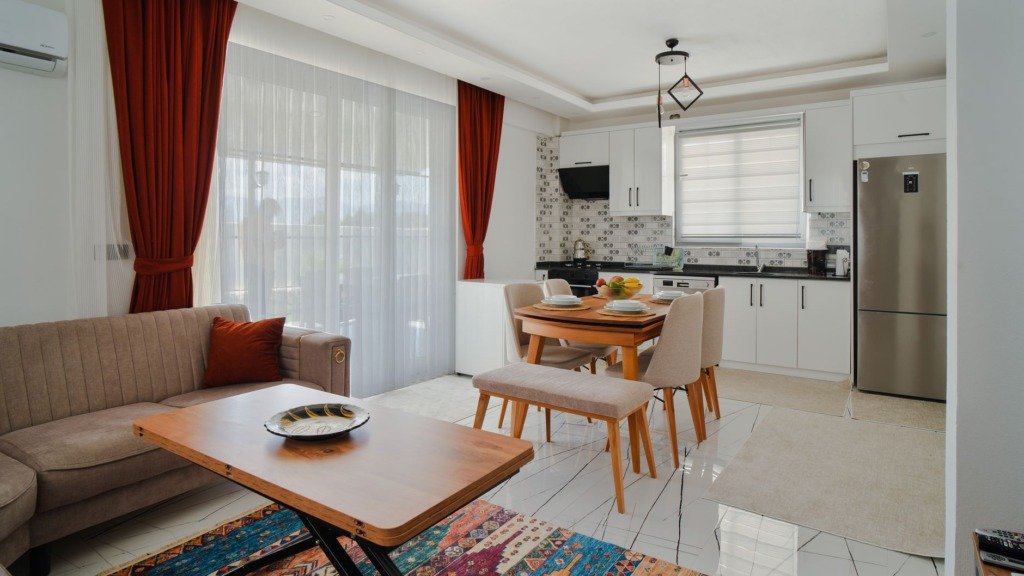
Most apartments have one. A bedroom facing a light well, a reception room shaded by the building opposite, a family room set deep in the plan with one small window at the far end. It is the room nobody enjoys sitting in, and the standard advice, paint it white, usually makes it worse.
White needs light to be white. In a room with very little, it reads as a flat grey, and the room feels colder rather than brighter. Making a dark room work is about controlling where light comes from and what it lands on, which is a design problem rather than a paint problem.
Why White Often Backfires
A colour only returns the light it receives. In a room with one small window, a brilliant white ceiling and walls have almost nothing to reflect, so they render as a dull grey that looks unfinished. A warmer, slightly deeper colour absorbs the same amount of light but reads as intentional, and the room feels considered instead of starved.
The rooms that work best in low light are usually the ones that stop fighting it. A deep, warm, enveloping palette with generous artificial light is far more comfortable than a pale room that never quite works.
Getting More Out of the Daylight You Have
- Keep the area around the window clear, since a wardrobe beside a window blocks more light than its width suggests
- Choose window treatments that stack clear of the glass rather than covering its edges when open
- Use a pale, reflective finish on the wall directly opposite the window, where reflected light does the most work
- Consider a glazed internal door or a borrowed light panel from a brighter adjoining room
- Avoid heavy pelmets and deep reveals that cut the top of the opening, which is where the useful light enters
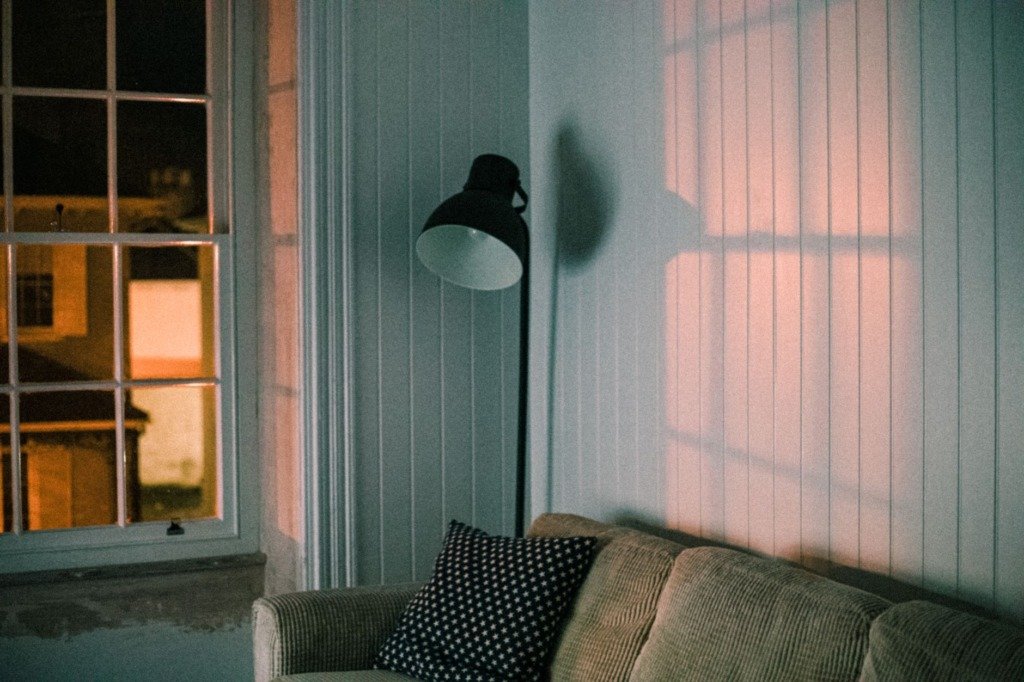
Layers, Not a Bigger Ceiling Light
The instinct in a dark room is a brighter central fitting, which produces a flat, shadowless room that still feels dim, because a room reads as bright when light appears at several heights, not when one source is strong.
- Light on the walls, through wall washers or uplights, which makes the boundaries of the room visible
- Light at table and floor level, which creates the pools that make a room feel warm
- Light inside joinery and shelving, which stops dark voids reading as holes
- Task light where it is needed, so the general level does not have to be high
A dark room does not need more light. It needs light in more places.
Reflection, Used Properly
Mirrors help when they reflect something worth seeing. A large mirror placed to reflect a window doubles the apparent opening; the same mirror facing a blank wall simply enlarges the blank wall. Polished and satin finishes on joinery, a lacquered surface or a glazed tile bounce light deeper into a room than matt surfaces, and they do it without the room feeling shiny if used on one or two elements rather than everywhere.
Layout Decisions That Matter More Than Colour
The most effective change is often moving what the room is used for. A room with poor daylight can be a superb media room, a study or a bedroom, and a poor dining room. Matching the use to the light, rather than insisting a dark room become bright, is the decision that resolves most of these spaces, and it costs nothing.
Choosing Colour for Low Light
Warm, Deep Colours That Look Intentional
Clay, olive, deep green, muted terracotta and soft taupe all hold their colour in low light and make a room feel chosen rather than starved. The aim is not to hide the lack of daylight but to build a mood around it, the way a good restaurant or a cinema does.
Test large painted samples on at least two walls and look at them in the morning, in the afternoon and at night. A colour in a dark room changes more across the day than the same colour in a bright one, and a small card tells you very little.
Treat the Ceiling and Floor as Part of the Palette
A ceiling painted a slightly lighter tone of the wall colour feels softer and higher than stark white, which tends to go grey overhead. A rug lighter than the floor beneath it gives the room a pale surface to carry what little light arrives.
Furniture and Fabric for a Dark Room
Heavy furniture sitting flat on the floor makes a dark room feel heavier. Pieces raised on slim legs let light travel underneath them, and a visible floor beneath the sofa makes the room feel larger.
- Choose textured weaves over flat colour, since texture catches light and adds interest without brightness
- Use a few pieces with a soft sheen, such as a velvet cushion or a polished side table, to bounce light around
- Keep large dark pieces away from the window wall, so they do not swallow the little daylight that arrives
- Choose curtains close to the wall colour, so the window frames the view instead of interrupting it
- Limit the number of different colours, as a calm palette makes a dark room feel deliberate
Planning the Lighting Before Works Begin
Plan Circuits and Switching Early
In a dark room the lighting is the architecture. Ask for several separate circuits, so wall lights, lamps and shelf lighting can be switched on their own, and ask for dimmers so the room can change from morning to night. Extra sockets for floor and table lamps are far easier to include before the walls are closed than to add afterwards.
Keep the Colour of Light Consistent
Warm light flatters deep colours and timber, while cold light makes a dark room feel like an office. Choose the same warmth for every fitting in the room, because a mixture of warm and cold looks accidental.
Dealing With Cairo Conditions
Many Cairo apartments lose light to a neighbouring building or a narrow light well rather than to the size of the window. Dust on the glass and on external shutters reduces the light further, so clean the glass regularly and keep shutters raised during the day. Sheer curtains in a pale colour let in what light there is while keeping privacy, and are usually better than heavy curtains that must be pushed aside every morning.
Matching the Room to the Time of Day
Many dark rooms are at their best in the evening, which is when families use their bedrooms, media rooms and family rooms. Plan the room for the hours it is actually used rather than for a noon that never comes. A study used at night, or a bedroom used mainly after dark, rarely needs more daylight than it has.
Frequently Asked Questions
Can a dark room ever look bright?
It can look warm and welcoming, which is usually the better aim. Brightness comes from light placed at several heights and surfaces that carry it, not from white paint.
Should I use a dark colour on all the walls?
Not necessarily. One deep wall with lighter surroundings can add depth, but a fully enveloping palette often feels most resolved in a room used mainly in the evening.
Do plants help in a dark room?
Few plants thrive with little daylight, so check what each one needs before buying, and do not let a failing plant undo the room.
Is it worth enlarging the window?
Sometimes, but it depends on the building and its rules, so it is a question for the building management and a professional rather than a quick fix.
Which lighting should I plan first?
Plan the wall lighting and lamp points before the central fitting, since those layers do most of the work in a dark room.
Stop trying to make a dark room bright. Give it a warmer palette, light at three different heights, and a use that suits low daylight.
If there is a room in your home that nobody uses, Residential Interiors can usually work out why in a single visit, and the answer is often light rather than layout. The bedroom studies in Bedroom Concept Studies worked this way. Layered Lighting for a Cairo Living Room goes further into the lighting layers themselves.
To see the result before anything is ordered, the studio offers 3D interior design in Egypt with realistic views of each room.

Free guide
The Renovation Process in New Cairo, Step by Step
Leave your details and we will email you the guide on this subject straight away.
One guide, no repeat mailings.
Your guide is on its way
Check your inbox in a few minutes. If it is not there, look in your spam folder.