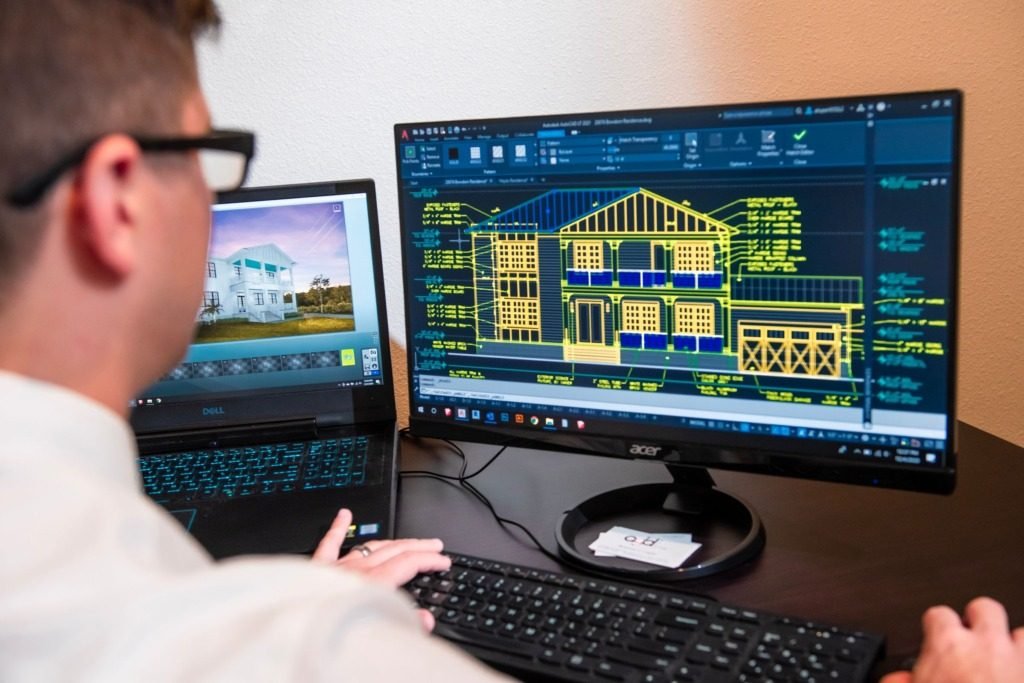
Cali Coast was built around a deliberately different architectural identity for the North Coast, drawing on a relaxed, California-inspired look rather than the Mediterranean or lagoon styling common elsewhere on the coast. That identity sets an expectation before any interior decision is made.
Why the architecture leads here
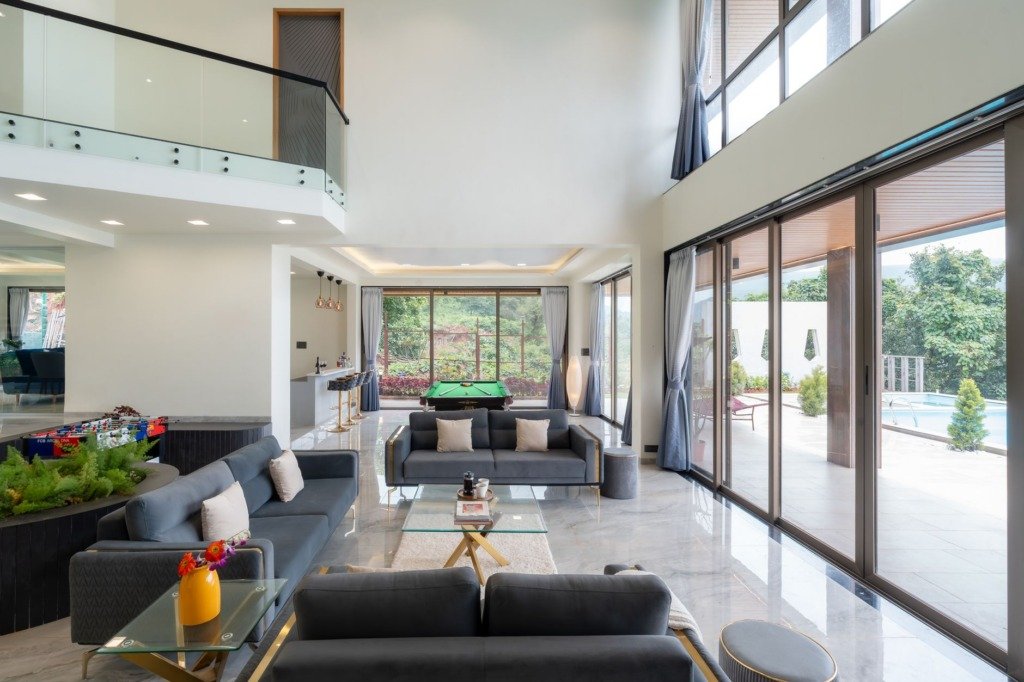
A heavily ornate or classically Mediterranean interior brief sits awkwardly inside a shell built around clean lines, warm timber and a relaxed indoor-outdoor feel. Briefs that work with that language, rather than against it, tend to need fewer changes to reconcile the two.
What actually changes the fee here
- Whether the interior brief matches the architecture’s own relaxed, timber-and-light material language or works against it
- Indoor-outdoor flow, since the architecture is built around that connection and it deserves its own line in the scope
- Villa or townhouse footprint, which changes the number of rooms needing a coherent scheme
- Humidity and salt-air resistant material choices, the seasonal factor shared across the whole coast
Reading a Cali Coast quote properly
Ask whether the proposed interior direction was developed with the home’s own architecture in mind, or independently of it. A scheme designed in isolation from a distinctive shell like this one often needs revisiting once it meets the real light and proportions on site.
The most expensive interior brief at Cali Coast is the one that ignores the identity the architecture was already building.
Where the fee is worth it
A designer who reads the architecture’s own material language before proposing finishes avoids the mismatch that comes from treating a Cali Coast home like a generic North Coast chalet.
Starting the Brief From the Architecture
Walk the shell before choosing anything
Before a mood board is built, the home should be read on site or through detailed photographs and plans. Note where the light enters, how the ceilings feel, where the openings sit and which views the layout points towards. A shell built around a relaxed look has its own proportions, and a good scheme answers them rather than hiding them.
Keep the palette close to the materials already there
Warm timber, clean lines and generous light point towards a restrained palette. Soft neutrals, natural textures and a few confident accents usually sit better than a long list of competing finishes. The fewer materials a room has to reconcile, the easier it is to keep the whole home calm.
Decide early what the brief will not do
A clear brief names what it will not attempt as well as what it will. Ornate detailing, heavy drapery or a strongly themed look may still be possible, but each one pulls against the architecture and should be a deliberate choice rather than an accident of taste.
Planning Indoor and Outdoor Space Together
Treat the threshold as a room
Where living space opens onto a terrace or garden, the threshold deserves its own decisions about flooring transitions, door tracks, lighting and furniture placement. When these are left to chance, the connection the architecture was built around ends up feeling like an afterthought.
Choose pieces that cope with both sides
Furniture that moves between inside and outside has to handle sun, damp and sand without looking worn after a single season. Frames, cushions and covers should be chosen for the setting, with removable covers where sensible so they can be washed or replaced.
Manage shade and glare
Large openings bring wonderful light and also strong sun. Planning blinds, curtains, overhangs or planting early keeps rooms comfortable and protects fabrics and timber from fading, and it is far easier to include in the scope at the start than to add later.
Materials That Cope With the Coast
Timber needs honest specification
Timber is part of the appeal here, and it also moves with humidity. Ask how each timber element is sealed, finished and fixed, and whether it suits exposure to damp air. Engineered options and good finishes are often more forgiving than untreated solid wood, and the right answer depends on where the piece sits.
Fabrics, metal and fittings
Salt air is hard on metal fittings, hardware and some fabrics. Ask for finishes made for coastal conditions, and prefer fabrics that clean easily and dry quickly. A beautiful item that cannot tolerate the air will cost more in the long run.
A home that stands empty between visits
Many owners are in Cairo for much of the year, which means the home is closed up for long stretches. Ventilation, dust covers, storage that breathes and surfaces that are easy to reset on arrival matter as much as the look. Plan for the empty periods as well as the busy ones.
Comparing Quotes Sensibly
Compare scope before totals
Two quotes for the same home can describe quite different work. Line up what each one includes, such as concept, drawings, furniture, joinery, lighting, outdoor areas and supervision. A lower number that leaves out half the scope is rarely lower once everything is added back.
Ask what has been assumed
Ask what the quote assumes about the existing finishes, the condition of the shell and the level of outdoor design. Assumptions are where figures drift apart, and writing them down before work begins avoids disagreement later.
Villa or townhouse changes the work
The footprint decides how many rooms need a coherent scheme, and a villa often has more outdoor areas to resolve. Make sure the quote is clear about which rooms and which outdoor spaces are included so the comparison is fair.
Working With a Cairo Studio From a Distance
What to prepare before the first call
- Plans or drawings of the home as handed over
- Clear photographs of every room and outdoor area
- A short note on how the family uses the home through the season
- Any furniture or pieces you already want to keep
- A realistic sense of how often you visit
Decisions that suit a remote process
Much of the work, including concept, layouts, selections and joinery drawings, can be agreed through calls and shared files. Samples and key finishes are best seen in person, so plan a visit around those decisions rather than spreading trips thin.
Planning order and lead times
Order of work matters. Confirm the layout and the direction taken from the architecture first, then joinery and lighting, then finishes, and leave furniture and soft furnishings for last. Lead times differ between suppliers and items, and made to order pieces take longest, so ask for a schedule that shows what must be ordered first.
Frequently Asked Questions
Does a Cali Coast home need a different approach from other North Coast homes?
In most cases yes, because the architecture sets a clear material and style direction. A scheme that works with it usually needs fewer corrections on site.
Can I use a more traditional style inside?
It is possible, but it works against the architecture and needs careful handling. Ask the studio how it would reconcile the two before agreeing the direction.
Should the outdoor areas be in the scope?
Yes, since the architecture is built around indoor and outdoor living. Listing them separately in the scope makes them easier to price and compare.
Can the project be managed from Cairo?
Yes, with clear drawings, good photographs and a planned visit for key decisions. Remote work suits the early stages especially well.
What should I ask before comparing quotes?
Ask what each quote assumes about the existing condition, the rooms included and the outdoor areas. That tells you more than the total.
Ask whether the interior direction was developed with the home’s own architecture in mind. That single question separates a fee well spent from one that fights the house.
Consultation is a good starting point for reading a distinctive shell like this properly, and Lotus Villa Renovation shows a similar approach carried through a finished project. North Coast Chalet Interior Design: A Cairo Owner’s Guide covers the seasonal-use factors that apply here too.

Free guide
What Interior Design Really Costs in New Cairo
Leave your details and we will email you the guide on this subject straight away.
One guide, no repeat mailings.
Your guide is on its way
Check your inbox in a few minutes. If it is not there, look in your spam folder.