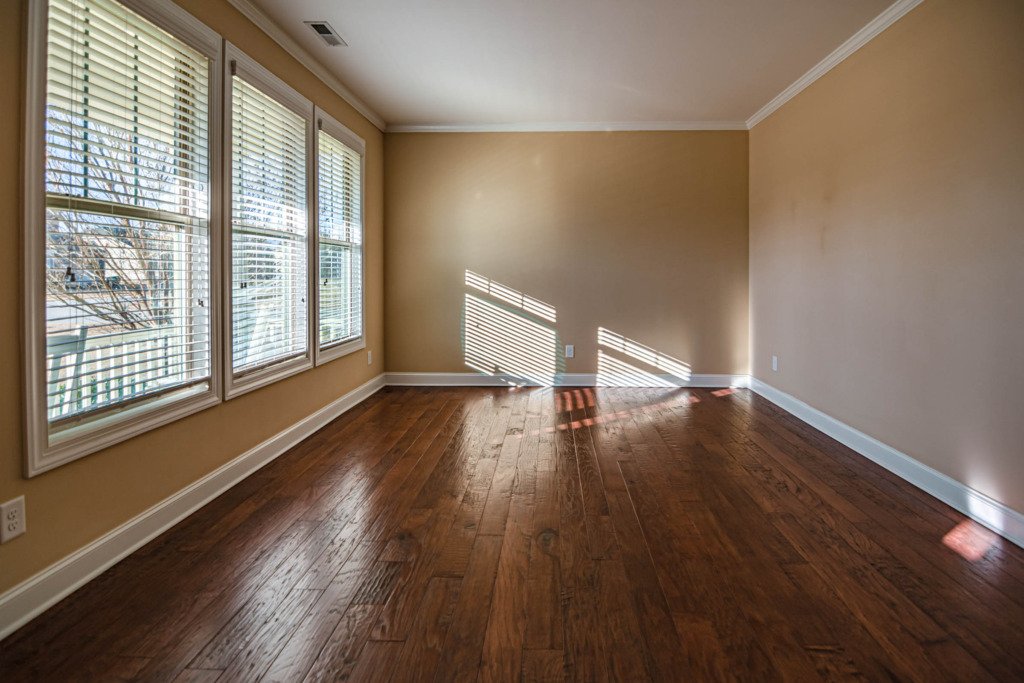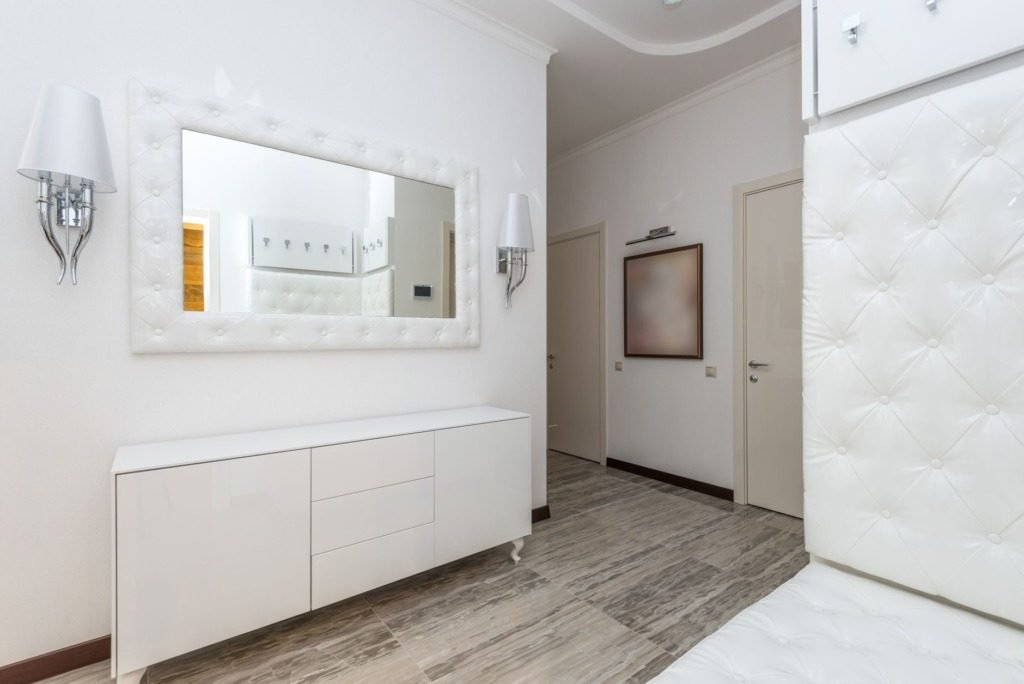
Al-Rehab is one of the oldest and most established addresses in New Cairo, and that maturity shows up directly in the kind of work most owners actually need. A first design on an untouched apartment is now the exception rather than the rule. Most Al-Rehab briefs are renovations, working around finishes, wiring and plumbing that are fifteen years old or more, and that changes what the fee is actually for.
Why renovation is a different job, not a smaller one
An older apartment often needs its electrical circuits assessed before anything else, plumbing checked for the kind of wear that only shows up once walls are opened, and a decision made early about what stays and what is stripped out entirely. None of that is visible from a walk-through, which is exactly why it needs pricing properly rather than assumed away.
What actually changes the fee here
- Age of the existing finishes and services, since older wiring and plumbing may need more than a cosmetic update
- Whether the brief keeps the existing layout or reworks it, since a layout change in an older building can meet structural surprises a newer one will not
- Scope of demolition and disposal, which is a real line item in a renovation and rarely folded quietly into a first-design fee
- Whether the building’s own management restricts working hours or contractor access, which affects site logistics as much as the design itself

Reading an Al-Rehab quote properly
Ask whether an initial survey of the existing wiring, plumbing and structure is included before final pricing, or whether the quote assumes everything behind the walls is fine. In a building this age, that assumption is the riskiest part of any number.
In an older apartment, the design fee is not competing with a blank canvas. It is competing with fifteen years of decisions somebody else already made.
Where the fee is worth it
A proper survey before pricing, and a clear decision about what stays and what is stripped out, is what prevents an Al-Rehab renovation from discovering an expensive structural or plumbing surprise midway through work that was quoted as straightforward.
Starting With a Survey, Not a Mood Board
What a survey should cover
A useful survey records the condition of the electrical circuits, the plumbing runs, the waterproofing in wet areas, the ceilings and the walls, and notes anything that looks unusual. It is a working document that the studio, the contractor and you all refer back to, so ask for it in writing with photographs.
Why a walk through is not enough
A walk through shows surfaces. It cannot show what sits inside walls, under floors or above ceilings. Opening up a few agreed points before pricing costs far less than discovering a problem after the quote is signed.
Deciding What Stays and What Goes
Keep, refresh or replace
Sort every element into one of three groups. Keep what is sound and suits the new design, refresh what is sound but tired, and replace what is failing or in the way. Kitchens, bathrooms, doors and flooring are the usual points of debate, and each decision moves the fee and the programme.
Working with the existing layout
Moving a wall or a wet area in an older building should be treated as a decision that needs evidence. Ask the studio to explain what a change would involve behind the surface before it is drawn, and whether a smaller adjustment could achieve most of the benefit.
Pieces worth keeping
Older apartments often contain solid joinery or furniture that is worth keeping. Point these out early so the studio can design around them instead of discovering them late.
The Order of Work in an Older Apartment
Order matters more in a renovation than in a new build, because every stage can expose something that affects the next. A sensible sequence looks like this.
- Survey and agreed opening up of key points
- Strip out and disposal
- Electrical and plumbing works
- Waterproofing of wet areas and ceilings
- Walls, plastering and preparation
- Flooring and joinery fitting
- Painting and finishes
- Furniture, lighting and final snagging
Ask the studio to confirm this order for your apartment and to say where it differs, and why.
Building Rules and Neighbours
Ask building management early
Since building management can restrict working hours and contractor access, ask for the rules before the programme is written. Some buildings require notice for deliveries, protection of common areas or a named contact, and learning this late can disrupt the plan.
Protect shared areas and neighbours
Corridors, lifts and entrances are used by everyone. Agree how they will be protected, how debris will be removed and how noisy work will be scheduled, and keep neighbours informed. Goodwill in the building makes the whole project easier.
Materials for a Renovation
Matching new work to old
New finishes sit beside surfaces that were not changed, so tones, thicknesses and levels need checking against what stays. A new floor that meets an old threshold at a slightly different height is a small detail that goes on annoying long after the work is done. Ask to view samples on site, in the light of the actual rooms.
Think about future maintenance
In an older building, choose finishes and fittings that can be reached and serviced without breaking into new work. Access panels, standard sized fittings and clear records of where services run help the next person who needs to repair something.
Preparing the Apartment and Your Household
Before work starts, decide where belongings will go. Empty the rooms in scope, protect what must stay and arrange somewhere dry and secure for furniture and boxes. A clear apartment lets the contractor work faster and keeps your possessions out of the dust.
Decide who will make choices when you are not there. Samples, colours and small details all need an answer on a given day, and a delayed answer delays the work behind it. Agree a simple way to approve decisions, such as a shared message thread, and keep the final choices in one place.
Keep a record of every approval with its date, so that questions later in the project can be settled quickly and without argument.
Comparing Renovation Quotes
Renovation quotes differ most in what they assume. One may allow for opening up and repairs, while another assumes everything behind the walls is sound. List the assumptions of each quote side by side and ask each studio what happens to the fee if an assumption proves wrong.
- What the quote assumes about the existing wiring and plumbing
- Whether demolition and disposal are listed as separate lines
- How hidden problems found during work will be priced and approved
- Who coordinates with building management
Frequently Asked Questions
Is a renovation more expensive to design than a new apartment?
It is a different job rather than a smaller or larger one. The fee reflects the survey, the decisions about what stays and the coordination of work in an existing building.
Do I need a survey if the apartment looks fine?
Yes. Wiring, plumbing and structure are hidden, and a survey is the only way to price them honestly.
Can I stay in the apartment during the work?
Usually it is not practical, because dust, noise and shut off services affect daily life. Discuss it with the studio and the contractor before deciding.
What should I prepare before a first consultation?
Photographs of every room, any plans you have, the age and history of the apartment if known, and a list of what you like and dislike about it.
How do I keep the renovation on track?
Agree the scope in writing, approve changes before they are made and keep one set of current drawings that everyone uses.
Ask for a survey of the existing wiring, plumbing and structure before final pricing on an Al-Rehab renovation. That single step avoids the most expensive kind of surprise here.
Consultation is a sensible way to get that survey and an honest scope before committing to a number, and Lotus Villa Renovation shows how a considered renovation comes together. Interior Designer Cost in New Cairo: What Shapes the Fee in 2026 covers the fee picture for the wider area.

Free guide
What Interior Design Really Costs in New Cairo
Leave your details and we will email you the guide on this subject straight away.
One guide, no repeat mailings.
Your guide is on its way
Check your inbox in a few minutes. If it is not there, look in your spam folder.