Sheikh Zayed and 6th of October make up the west side of greater Cairo, and homes here tend to run larger than their east side equivalents, with more standalone villas, twin houses, and generously sized apartments inside established compounds. That extra space is an opportunity, but it also means more rooms to resolve, longer sightlines to get right, and a stronger, dustier west facing sun to design around. Interior design here rewards planning the whole home as one connected scheme rather than decorating room by room.
It is the kind of work we handle as part of Residential Interiors on homes across Cairo and New Cairo.
Many of these compounds are mature, so the homes are often resales or handovers that need reworking rather than bare shells. That changes the job: instead of a blank canvas, a designer is usually adapting an existing layout, opening up a dark reception, or bringing a dated but solid villa up to a current standard without tearing everything out.
What Shapes a West Cairo Home
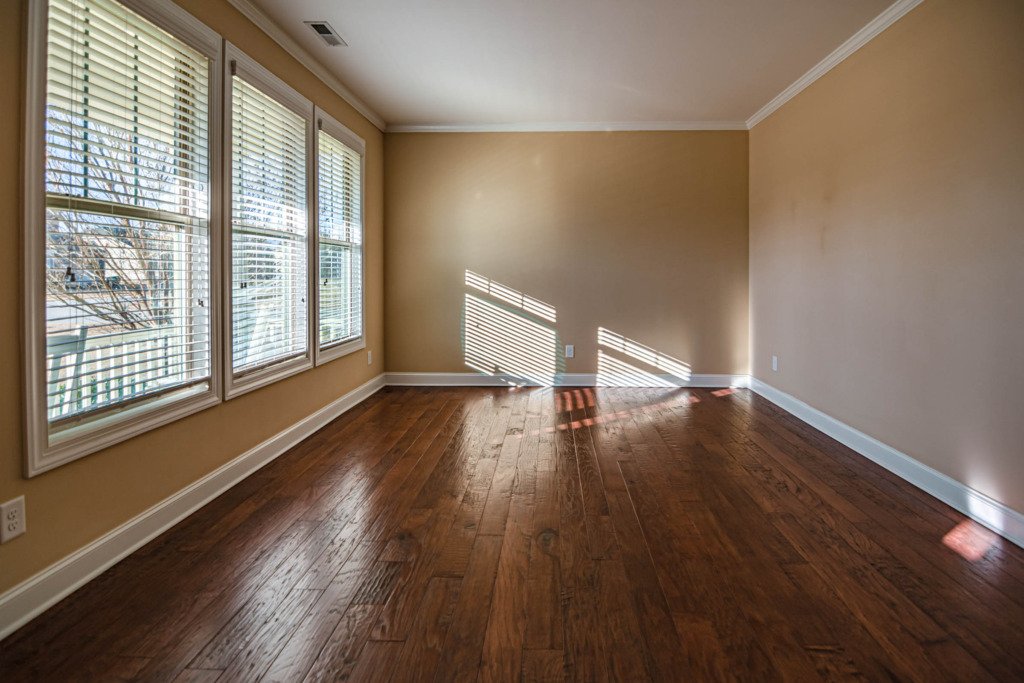
The defining features here are space and light. Villas and twin houses give you volume that an apartment rarely does, which is a gift for open plan living but a trap for anyone who fills it without a plan. The west facing sun is strong in the afternoon and carries desert dust, so orientation, shading, and easy clean finishes matter more here than almost anywhere else in Cairo.
- The property type, since a standalone villa, a twin house, and a compound apartment each design very differently
- Whether the home is a bare handover or an existing layout that needs reworking
- The strong west facing afternoon sun and how each main room is oriented to it
- Desert dust, which pushes finish choices toward surfaces that stay looking clean
Planning Space You Actually Have
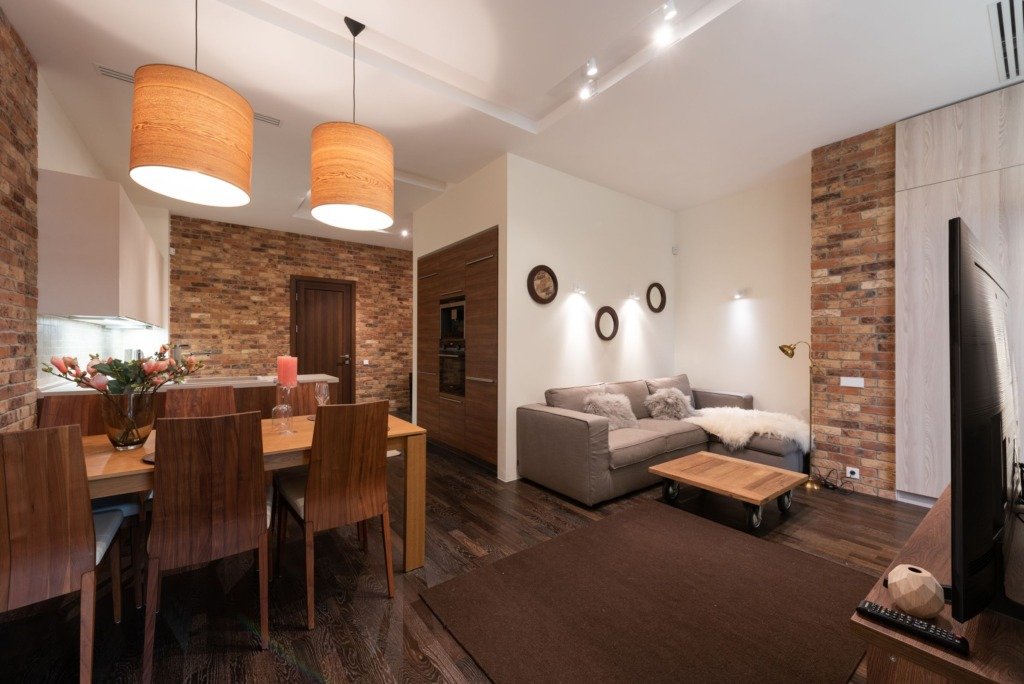
The most common mistake in a large west Cairo home is spreading furniture thinly to fill volume, which leaves rooms that feel empty rather than generous. The better approach is to define zones within the space, a proper seating group, a defined dining area, a real circulation path, so that scale reads as comfort rather than emptiness. In a villa this planning also has to work vertically, tying floors together with a coherent material and lighting language.
For a closer look at a related piece of the puzzle, see Designing for Cairo’s Climate: What Actually Changes.
Finishes for Sun and Dust
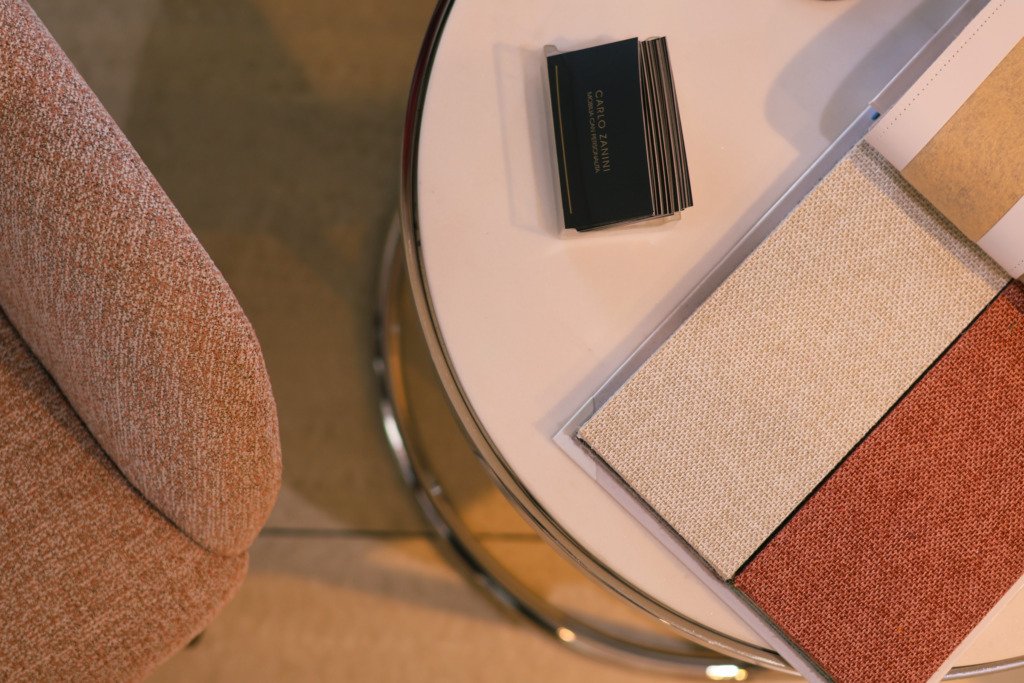
West Cairo takes the full weight of the afternoon sun and the desert dust that comes with it, so finishes are chosen to hold up as much as to look good. Sun stable fabrics and paints resist fading on the west side, matte surfaces hide fine dust between cleans, and outdoor and terrace materials need to be rated for real heat rather than chosen on looks alone. These are the decisions that keep a west Cairo home looking new well past its first year.
- Fade resistant upholstery and curtains on west facing rooms that take direct afternoon sun
- Matte or textured wall finishes that disguise the fine desert dust
- Proper external shading, whether pergolas, deep reveals, or good blinds, on the hottest elevations
- Terrace and garden materials rated for heat and sun rather than chosen only for appearance
Reworking an Existing Villa or Apartment
Because many west Cairo homes are resales, a large share of the work is intelligent reworking rather than building from scratch. Opening a closed kitchen to a reception, relocating a poorly placed bathroom, or replacing dated finishes can transform a solid home for a fraction of a full rebuild. The skill is knowing which walls and services are worth moving and which are better left, so the budget goes where it actually changes daily life.
In a large home, restraint reads as luxury far more than filling every corner ever does.
Home Types and Surveying an Existing Home in West Cairo
Villas, Twin Houses and Compound Apartments
West Cairo offers standalone villas, twin houses, townhouses and larger compound apartments. A villa often needs a plan that spans several floors and a garden, a twin house shares a wall and so shares some constraints, and an apartment concentrates everything on one level. Knowing which type you own sets the scale of the whole project.
Resale or First Handover
A first handover offers freedom but needs everything built. A resale offers a finished starting point but hides what previous owners did behind the walls. The studio treats these as two different briefs, because the questions, the risks and the order of work are not the same.
Look Behind the Finishes
In an existing home, the visible finishes matter less than the services behind them. Electrical boards, water pipes, drainage and air conditioning all age, and replacing them while walls are open is far easier than doing it later.
A Simple Survey Checklist
- Electrical boards and wiring, and whether they suit the loads of a modern household
- Water supply, drainage and any signs of damp or past leaks
- Roof, terrace and external walls, including how well they shed heat and water
- Windows and doors, and whether they seal against dust
- Air conditioning units and their positions, which often limit ceiling and joinery design
Planning Order and What the Design Fee Covers
Plan the Whole Home Before Any Room
Even when work happens in stages, the concept covers the entire home first. Materials, lighting and joinery details are set once, then applied floor by floor, so the finished house feels like one scheme.
Phasing Work Without Losing Coherence
Some families live in part of the home while another part is renovated. Phasing is possible, but it needs a clear sequence, protected areas and a shared plan for dust and noise.
What the Design Fee Usually Covers
The fee normally covers the concept, the space plan, material selections and the drawings needed for pricing and construction. Supervision visits and procurement support can be included or added, and the scope of each stage should be written down before work begins.
What Sits Outside the Fee
- Construction, labour and materials supplied by contractors
- Furniture, lighting and decorative items bought for the home
- Charges set by the compound or management office
- Specialist consultants such as landscape or engineering input, where needed
Working With Compound and Developer Rules
Ask Management Early
Most compounds publish renovation guidelines or ask for approval before work starts. Reading them at the outset lets the designer plan around permitted working hours, access routes and waste handling instead of discovering them mid project.
Exterior and Garden Changes
Facades, boundary walls, pergolas and garden structures are often controlled more strictly than interiors. If your plans touch the exterior, confirm what is allowed before the design is finalised.
Logistics on Large Plots
A large villa means more deliveries, more trades on site at once and more material to store. A simple logistics plan, covering where deliveries are received and where waste is kept, keeps the site tidy and neighbours comfortable.
Ordering, Lead Times and Comparing Quotes
Order Early for Made to Order Items
Custom joinery, stone, imported tiles and statement lighting take time to arrive. Place orders against the programme so that the site never waits for a single delivery.
Comparing Quotes Fairly
- Give every contractor the same drawings and the same specification
- Match quantities, brands and finish grades line by line
- Check exclusions, because a low quote can simply be an incomplete one
- Ask how changes will be priced and approved in writing
- Look at past work and speak to previous clients where possible
Keep Some Budget in Reserve
Older homes especially can reveal surprises once finishes come off. A reserve protects the parts of the scheme you care about most.
Preparing for Your First Consultation
A little preparation makes the first meeting far more productive. It also helps the studio give honest advice about scope and sequence.
- Plans or handover drawings of the home, if available
- Photographs of each room and the garden or terrace
- A list of how each family member uses the home
- Furniture and pieces you wish to keep
- Your budget range and your preferred move in date
Questions are welcome too. The aim is a clear first conversation, not a sales pitch.
Frequently Asked Questions
Is it better to renovate a resale villa or build out a new handover?
Neither is better by default. A resale can save time if the structure and services are sound, while a new handover gives full freedom. A site survey helps you decide.
Can I live in the house during renovation?
Sometimes, if the work is phased and the occupied areas are protected. Dust and noise make it difficult for larger projects, so many families choose to move out.
Does the design fee include supervision?
It depends on the agreed scope. Design and documentation are usually covered, while site supervision is either included or added as a separate service. Confirm this in writing.
Do twin houses have extra restrictions?
A shared wall can affect noise, structural changes and sometimes exterior work. It is wise to check your compound rules and speak to your neighbour about major works.
How early should I involve a designer?
As early as possible, ideally before you buy a resale or before the finishing contract is signed for a handover. Early advice shapes the layout and budget.
Plan the whole home as one connected scheme before choosing anything. In a large west Cairo villa, coherence across rooms is what makes the space feel designed rather than merely furnished.
Getting the Layout Right First
Whether the home is a bare villa or a resale that needs reworking, the layout and the light are settled first, before any finish is chosen. Getting those right is what lets a large west Cairo home feel calm and connected, and it is far cheaper to resolve on plan than to correct once the finishes are in.
We go into a related topic in more depth in 2026 Interior Design Trends for Villas in New Cairo, worth a read alongside this one.

Free guide
Working With an Interior Designer: What to Expect
Leave your details and we will email you the guide on this subject straight away.
One guide, no repeat mailings.
Your guide is on its way
Check your inbox in a few minutes. If it is not there, look in your spam folder.