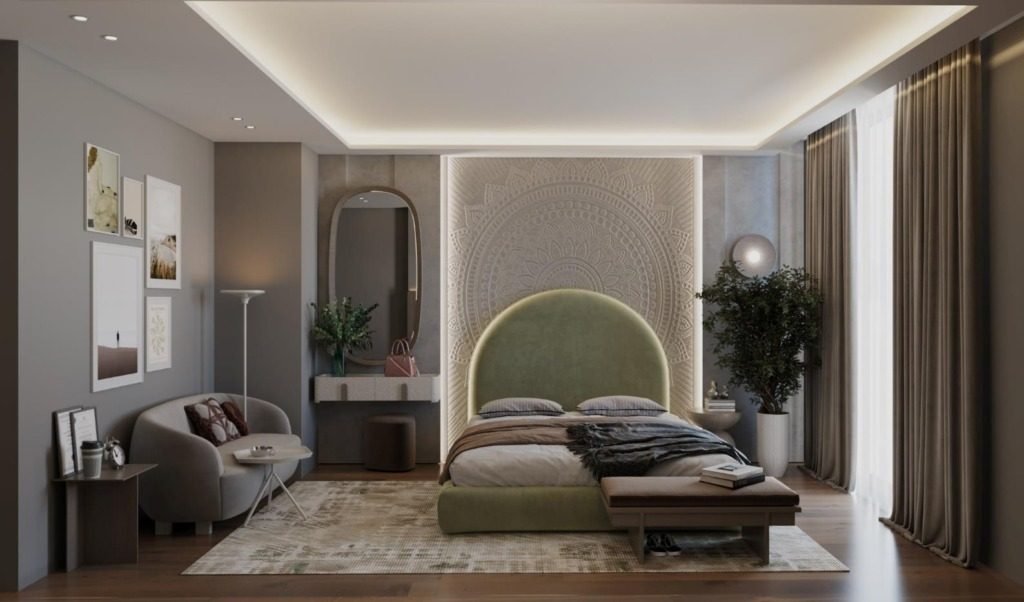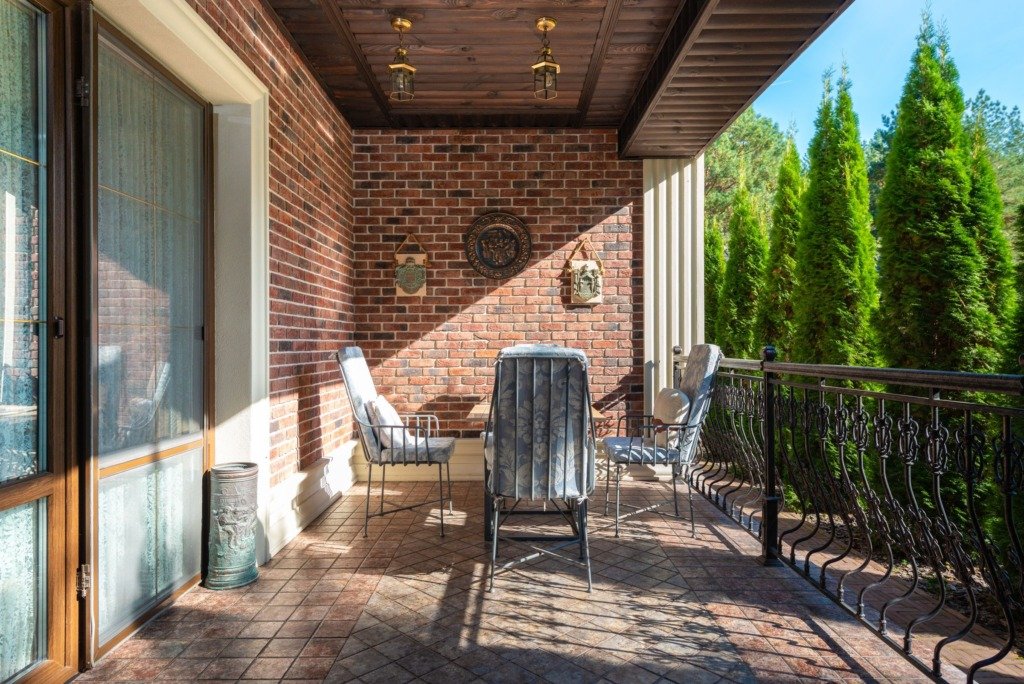
North Coast chalet interior design is a different discipline from decorating a Cairo apartment, and families who treat it the same way usually end up redoing half the chalet within three summers. A home used for twelve or fifteen weekends a year, sitting empty and locked through a humid coastal winter, has to survive conditions your Zamalek or Maadi apartment never faces.
This is one of the areas where Residential Interiors earns its fee fastest, because the mistakes here are expensive and almost entirely avoidable once you understand what a coastal property actually goes through over a full year, not just the two months everyone is in it.
Salt Air, Sand, and Humidity Change Everything
The North Coast and Ain Sokhna both sit in a humidity band that Cairo simply doesn’t have, and salt-laden air speeds up corrosion on anything metal that isn’t properly coated or genuinely marine-grade. Door hinges seize, window frames pit, and taps that would last fifteen years in a New Cairo apartment start showing rust within two or three seasons at the coast.
Sand is the other constant. It gets tracked in on shoes, blown through balcony doors, and worked into grout lines and upholstery seams over a season of guests. Materials and finishes that shrug off sand and grit without scratching or staining hold up dramatically better than anything delicate.
Choosing Materials That Survive Empty Months
A chalet standing closed and unattended for eight or nine months a year needs materials that don’t need anyone checking on them. Solid wood flooring that wants humidity control, unsealed natural stone that stains if nobody wipes up a spill for a week, and hardware that corrodes without regular use are all poor fits for a second home on this schedule.
- Stainless or marine-grade hardware on every door and window
- Porcelain or large-format tile instead of solid wood flooring
- Mold-resistant paint in bathrooms and any room facing the sea
- Sealed natural stone or engineered quartz on countertops and vanities
North Coast Chalet Interior Design for Weekend and Seasonal Use
North Coast chalet interior design has to solve a problem a full-time home never has: furniture and finishes that can absorb an intense weekend with a dozen guests, then sit completely still and unattended for the following five. That combination punishes anything fragile and rewards anything genuinely low-maintenance.
A chalet used twelve weekends a year needs furniture that survives being ignored, not furniture that needs babying.
For the broader climate logic behind material choices across a home, not just a coastal one, Designing For Cairo Climate goes deeper into how Cairo’s heat and humidity should shape decisions well beyond the North Coast, and it’s a useful companion read for anyone furnishing a second home.
Fabrics and Upholstery That Don’t Trap Moisture
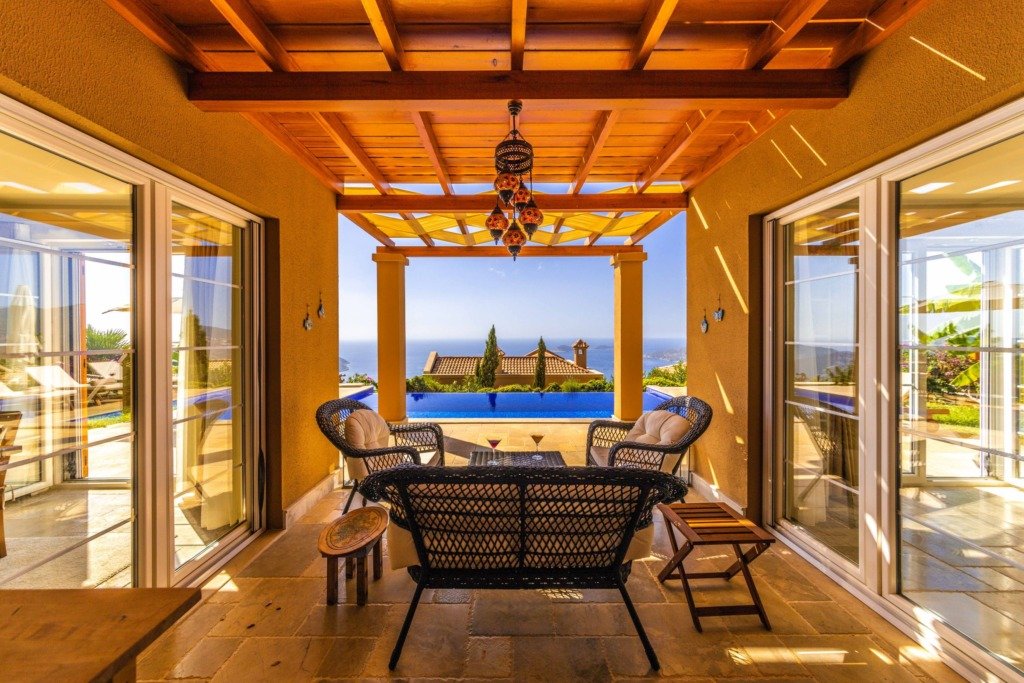
Fully upholstered sofas and heavy curtains are the first things to suffer in a closed, humid chalet. Outdoor-grade or performance fabrics, slipcovers that can be washed after a busy weekend, and furniture with removable or wipeable cushions all hold up far better than anything you’d choose for a Heliopolis living room. Rattan, teak, and powder-coated aluminum frames handle the swing between humid and hot far better than upholstered wood.
Storage and Closing Up for the Off-Season
How a chalet is packed away in September matters as much as how it’s furnished in July. Textiles need to be stored dry and sealed, not left folded in a damp cupboard. A dehumidifier left running on a low setting, blinds closed to cut UV exposure, and furniture covers all reduce what needs replacing the following season.
Lighting and the Indoor-Outdoor Connection
Lighting at the coast does double duty, since terraces and outdoor sitting areas are used as much as the interior. Fixtures exposed to salt air need to be rated for outdoor or coastal use, not just splash-resistant, or they’ll corrode within a season. Warm, dimmable lighting that carries from the living room out onto the terrace makes the whole chalet feel larger than its floor plan.
Kitchens and Bathrooms Built for Occasional Use
A chalet kitchen is used hard for short bursts and needs to be easy to leave. Non-porous countertops, simple hardware, and a layout that doesn’t rely on delicate finishes all matter more here than in a daily-use kitchen. Bathrooms benefit from the same logic: fewer grout lines, better ventilation, and fixtures that tolerate long dry spells without seizing up.
Bringing a Chalet Together Without Overbuilding It
Overbuilding usually starts with a good intention: a wish to make the chalet as complete as the city home. The sections below look at the decisions that sit around the finishes, which are the ones that quietly decide whether the chalet stays a pleasure to own.
Planning Around How Your Family Actually Uses the Chalet
Start with a simple question: who is there, and when? A chalet shared by grandparents, grown children and visiting friends needs a different layout from one used by a young family on quiet weekends. The answer shapes bedrooms, bathrooms and the amount of seating outside more than any style choice.
Flexible Sleeping Arrangements
Built in bunks, daybeds and sofas that convert for guests let a small chalet host a crowd without every room being a full bedroom. Good storage underneath keeps linen dry and out of sight.
Outdoor Rooms Matter Most
On the coast the terrace is often the real living room. Shade, wind protection and seating that can stay outside through the season deserve the same planning attention as the interior.
Wind, Sun and the Sea View
The view is why the chalet exists, but glass facing the sea takes strong sun and strong wind. Shading, solar control on glazing and furniture that does not blow around on a windy afternoon protect both comfort and the interior.
Colour That Works With Strong Light
Coastal light is bright and bleaches colour quickly. Soft, sandy neutrals with a few deeper accents age gracefully, while strong saturated shades on fabrics fade faster than most owners expect.
Working With a Cairo Studio From a Distance
Most owners live in Cairo and see the chalet only on holiday weekends, so the project has to run without constant site visits. Clear drawings, photographs taken on site, and a single point of contact for the contractor make that possible.
Agree Decisions in Writing
Keep a short written record of every material and finish approved. When the chalet is far from home, a clear record prevents the small substitutions that otherwise appear between visits.
Plan Deliveries and Installation Carefully
Furniture orders for a coastal property need to arrive when someone can receive them and when the chalet is ready. Allow time between the last finishing trade and the furniture, so nothing is scratched or marked.
Comparing Proposals for a Second Home
A fair comparison looks at what is included, not just the total. Ask whether outdoor furniture, window treatments and storage are inside the scope, how coastal conditions have been taken into account, and who is responsible if a material shows a fault early.
Frequently Asked Questions
Should a chalet be designed differently from a city apartment?
Yes. A chalet faces salt air, sand, strong sun and long empty periods, so materials, fabrics and layout are chosen for durability and easy care rather than formality.
Can I furnish the chalet in stages?
Yes. Begin with beds, seating and the outdoor area, then add decorative layers once you have seen how the family uses the space.
What should I prepare before the first meeting?
Bring the floor plan, photographs of the space, a list of who uses it and when, and any pieces you already own and want to keep.
Is it possible to manage the project without being on site?
Often yes, with clear drawings, regular photographs and written approvals. Some decisions are still best made in person, such as the final choice of colour.
The best North Coast chalets are furnished for how they’re actually used, not styled like a full-time home that happens to be near the sea, matching the investment to the real number of weeks spent there each year.
This kind of second-home planning is exactly what Residential Interiors handles for Cairo families building or refreshing a chalet, and it’s the same thinking we brought to Villa Exterior Project, where the goal was a coastal home that looked considered without demanding constant upkeep. If you’re also furnishing pieces that need to work as hard indoors as they will on a terrace, Choosing a Sofa That Will Actually Last in a Cairo Home is a good next read for sofa-specific material advice that applies just as well at the coast.

Free guide
Choosing Materials That Last in a Cairo Home
Leave your details and we will email you the guide on this subject straight away.
One guide, no repeat mailings.
Your guide is on its way
Check your inbox in a few minutes. If it is not there, look in your spam folder.