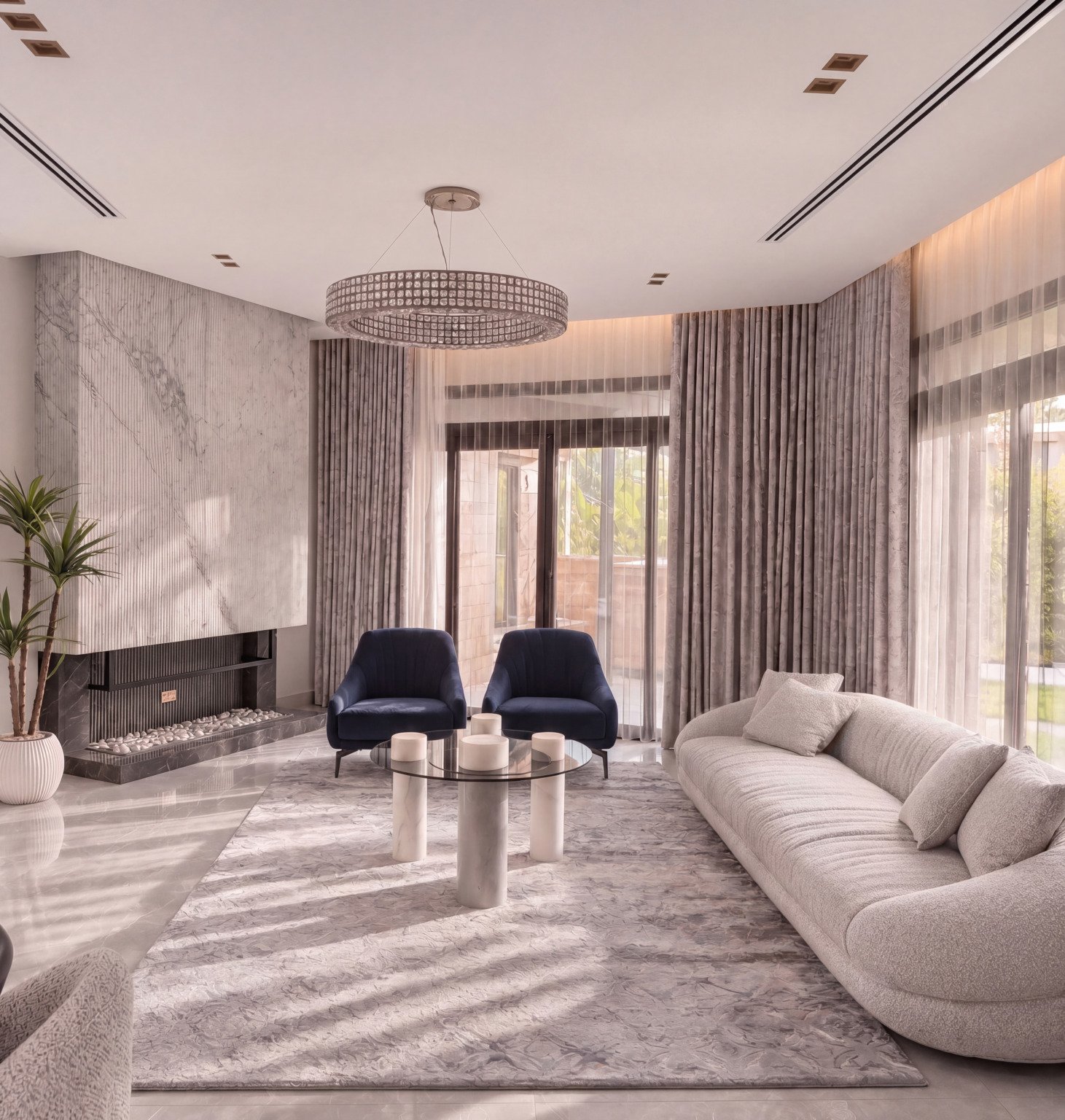

Most rooms are planned around furniture. The problems that annoy people months later are smaller and more routine: where the dog eats, where the light falls when you wash your face at night, where the bowl and the brush actually live. They cost very little to solve on paper and a lot to fix after the joinery is in.
Where does the pet eat?
A feeding spot is easy to forget at design stage, so it ends up wherever the bowl was first put down, usually in the middle of a kitchen walkway. Decide it early. Pick a corner out of the traffic line, with a wipeable floor, and leave space for a mat so water does not travel.
The bowl matters as much as the position. A dog that bolts its food makes mess, and the habit is easier to change with the right equipment than with training. Slow feeder bowls for food loving breeds slow the meal down and keep it in one place. The store behind them, Pets Sparkle, publishes plain guides on puzzle feeders and slow feeders for dogs and cats, which helps when you are deciding what to buy before the kitchen is finished.
Where does everything live?
Storage is where a scheme succeeds or fails. List what the household owns before the joinery is drawn: the pet’s bowls, mats and food, and the things used every morning. Anything used daily belongs at hand height and near where it is used.
How to bring these into a brief
- Name the pet and the feeding routine in the first conversation, so the position is planned, not improvised.
- List daily items by room before storage is drawn.
- Check each decision against a normal Tuesday, not an ideal one.
If you are choosing who should draw this for you, our guide on how to choose an interior designer in Cairo lists the questions that separate studios quickly.
Free guide
What Interior Design Really Costs in New Cairo
Leave your details and we will email you the guide on this subject straight away.
One guide, no repeat mailings.
Your guide is on its way
Check your inbox in a few minutes. If it is not there, look in your spam folder.