Renovating a whole home at once is not possible for everybody, and there is nothing second best about doing it in stages. Plenty of the best homes were finished over three or four years. What separates the ones that worked from the ones that cost far more than they should is whether the phases were planned together or decided one at a time.
The difference is not the budget. It is whether phase two has to undo part of phase one.
Design Once, Build in Stages
The single rule that makes phasing work is that the design covers the entire home before any phase is built, even the parts that will not be touched for years. A layout, an electrical plan and a material palette for the whole home cost very little more than for one room, and they are what allow each phase to connect to the next without a visible seam.
Without that, every phase is designed against the conditions of its moment, and the home ends up as a collection of rooms rather than one home.
What Has to Happen in Phase One
Some work cannot be revisited without destroying finished areas, which puts it in the first phase regardless of which rooms you care about most.
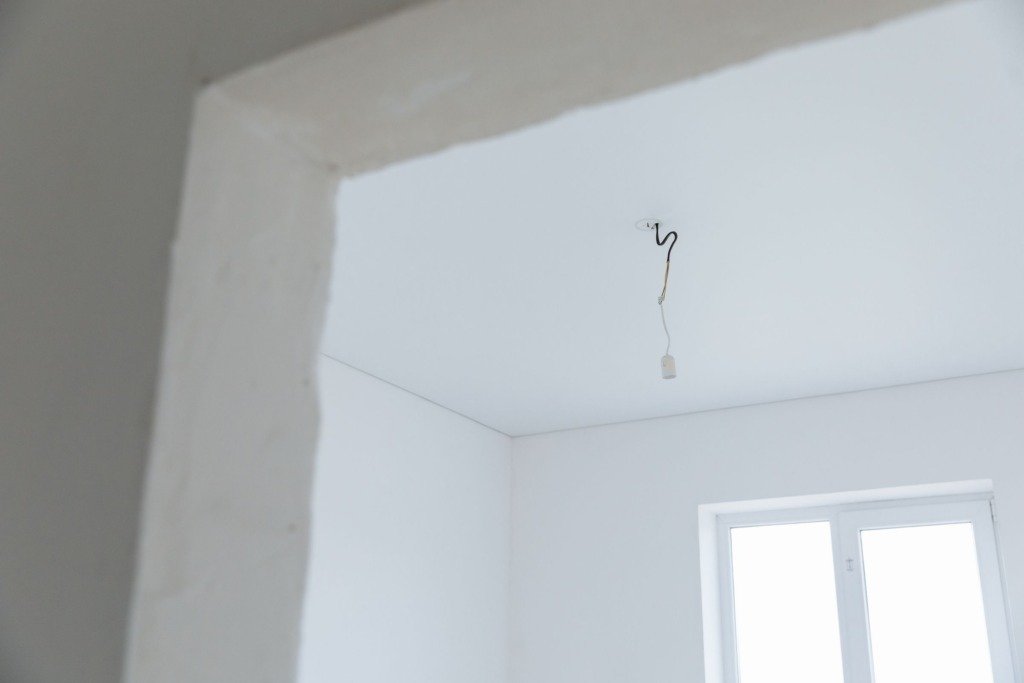
- Anything inside walls and ceilings across the whole home: electrical routes, data, plumbing runs
- Waterproofing to every wet area that will be touched at any stage
- Any change to walls or openings, anywhere in the plan
- Air conditioning pipework and drainage, including to rooms being done later
- The flooring level and threshold strategy, so later floors meet earlier ones properly
Phasing works when the drawings cover the whole home and only the building is divided. Phasing fails when the design is divided too.
Choosing the Order of Rooms
Once the invisible work is done, the order is a matter of disruption and daily life rather than construction logic.
- Kitchens and bathrooms first, because they are the most disruptive and the hardest to live through
- Bedrooms next, since they can be done one at a time with somewhere to sleep
- Reception and living areas later, since they tolerate being unfinished longest
- Joinery and built in storage after the wet work, but with the recesses formed in phase one
- Decoration and soft furnishing last, across the whole home, which is what makes it read as one project
Buying Materials Across Years
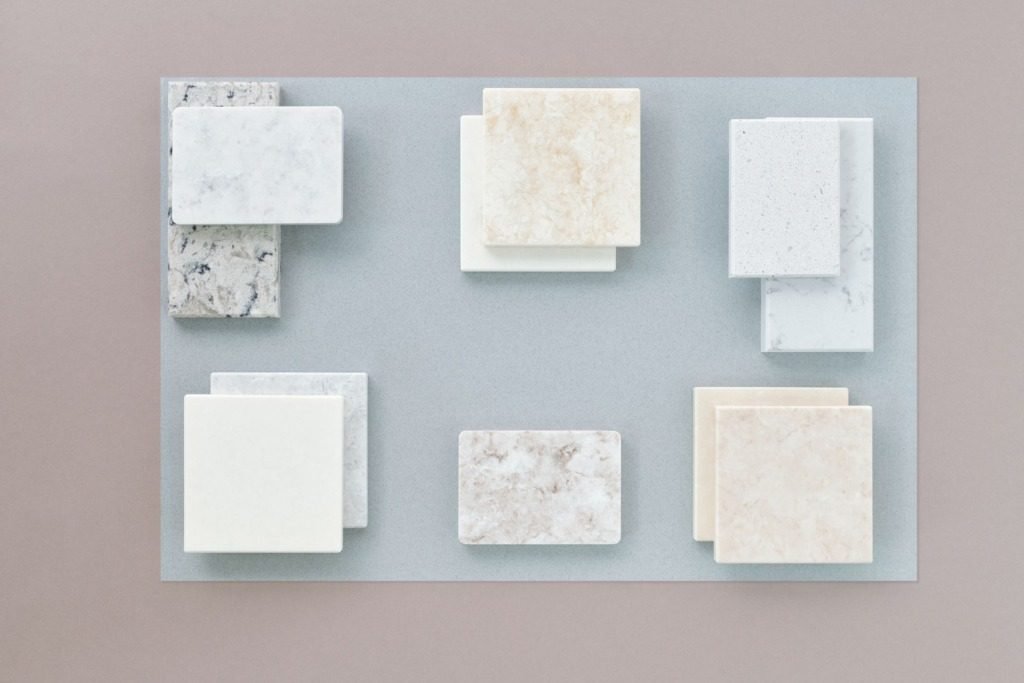
Material availability is the quiet risk in a phased project. A tile discontinued between phase one and phase three leaves a visible join. Where a material runs across phases, buy the whole quantity at the start and store it, particularly floor tiles, and record every product reference in one schedule so a later phase specifies the same thing rather than the closest available.
Phasing a Renovation Over Time in New Cairo
In practice the most successful phased projects in New Cairo start with a full design and a single first phase that covers every service in the apartment, then take the rooms one at a time as the budget allows. It feels like spending more at the start. It is the only version that does not spend more overall.
Living in the Home Between Phases
Keep one area fully working
A phased project means you will often be living in the home while another part is built. Agree before each phase which rooms stay in use, where the kitchen function moves to if the kitchen is being done, and how dust will be sealed off. Sheeting and a temporary door are simple measures that make a real difference.
Protect the rooms already finished
A room completed in an earlier phase is the most exposed during a later one. Floors need covering, doors need closing, and the route that materials take through the home should be agreed so that it avoids the finished areas wherever possible.
Give each phase a clean ending
Every phase should finish with its rooms complete, snagged and usable, not half done and waiting for a part that arrives later. A room that reaches a proper end can be enjoyed straight away, and it sets the standard for the next phase.
Working with Contractors Across Several Phases
Keep the drawings and the schedule together
Because the work is spread over time, details are forgotten. Keep one set of drawings, one finishes schedule and one record of what was built behind the walls, so that whoever works on the next phase, even a different contractor, starts from the same information.
Expect availability to change
The contractor who did the first phase may be busy when you are ready for the next one. A complete set of drawings means a new team can price and build without reinterpreting the design, which keeps the home consistent.
Agree the scope of each phase in writing
Each phase should have its own clearly defined scope, list of drawings and quote. Compare quotes on that basis, and avoid open ended arrangements where the boundaries between phases slowly drift.
What Changes the Brief and the Fee
Phasing changes how a studio works, not only when the building happens. A full design with a phased build asks for the whole home to be drawn at the start, which is more design work upfront than a single room, but it removes redesign later. Ask how design, drawings and site visits are divided between the phases, and whether returning for later phases is part of the original agreement.
Settle these points at the start, because they shape every phase that follows.
- Which rooms matter most to your daily life
- Which work is hidden and must come first
- What you can live with temporarily
- Whether the needs of the family will change before the later phases
- How much flexibility you want if your budget shifts
Planning for Lead Times and Climate
Order long lead items early
Joinery, made to order furniture and imported fittings take time to arrive. For a later phase, record them in the finishes schedule early and confirm lead times with the supplier before the phase begins, so the room is not held up by a single missing item.
Think about heat and dust
Cairo summers and dust shape when work is comfortable to do. Plan wet work, painting and any heavy demolition for a season that suits the work, and protect finished rooms from the fine dust that travels through a whole apartment.
Making the Waiting Rooms Work
Some rooms will wait a long time for their turn. Keep them usable with simple measures that do not fight the final design: neutral paint, existing furniture arranged with care, and temporary lamps on the points that the final lighting plan will replace. Avoid spending on anything that the next phase will pull out.
Frequently Asked Questions
Does phasing cost more than doing everything at once?
It can, because the site is set up and disrupted more than once. A planned phase avoids the far greater cost of redoing work, so the saving comes from the planning and not from the number of phases.
Which room should I do first if I can only afford one?
Usually the one that affects your daily life most, but only after the hidden services for the whole home are settled. A kitchen or a bathroom is commonly first.
Can I change the design between phases?
Small changes are fine, provided they respect the plan for the whole home and the services already installed. Larger changes should go back to the overall drawings so they do not clash with what has been built.
Do I need the same contractor for every phase?
It helps, but it is not essential if the drawings and the schedule are complete. What matters is that every team works from the same information.
How do I stop the finishes looking different between phases?
Record every product reference and finish in one schedule, buy long running materials at the start, and keep the original samples. One person reviewing each phase against the original scheme keeps the home consistent.
Design the whole home first, then do all the work inside walls and ceilings in phase one. Everything visible can wait, everything hidden cannot.
A full design with a phased build is something Consultation sets up regularly, and it is often the most sensible way to start. The Order to Make Renovation Decisions In, and What Going Wrong Costs covers the order decisions should be made in within each phase.

Free guide
Working With an Interior Designer: What to Expect
Leave your details and we will email you the guide on this subject straight away.
One guide, no repeat mailings.
Your guide is on its way
Check your inbox in a few minutes. If it is not there, look in your spam folder.