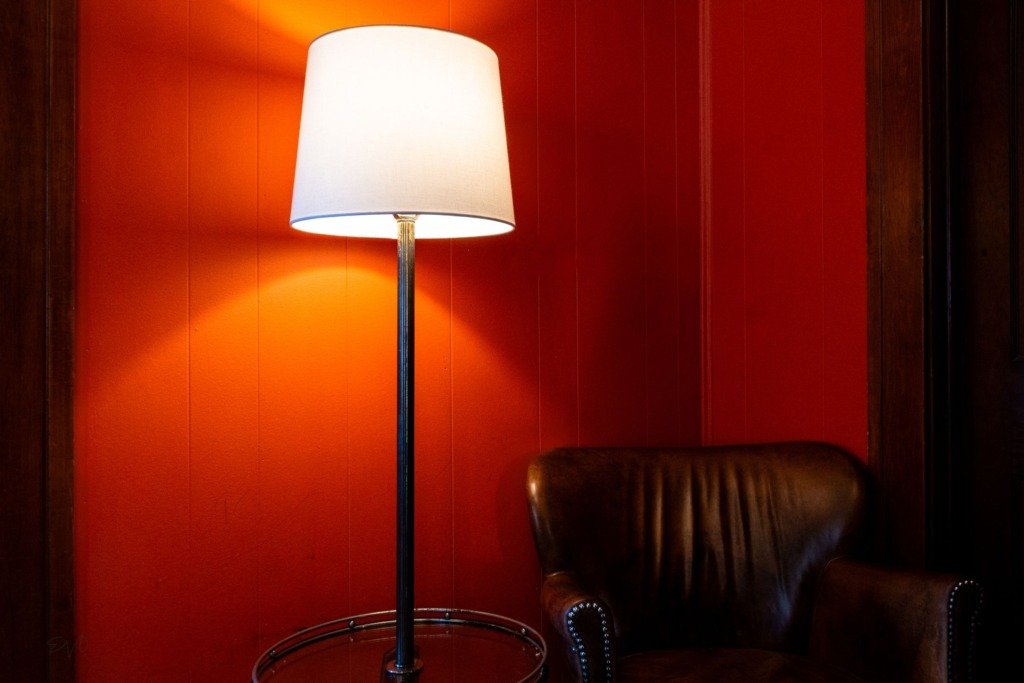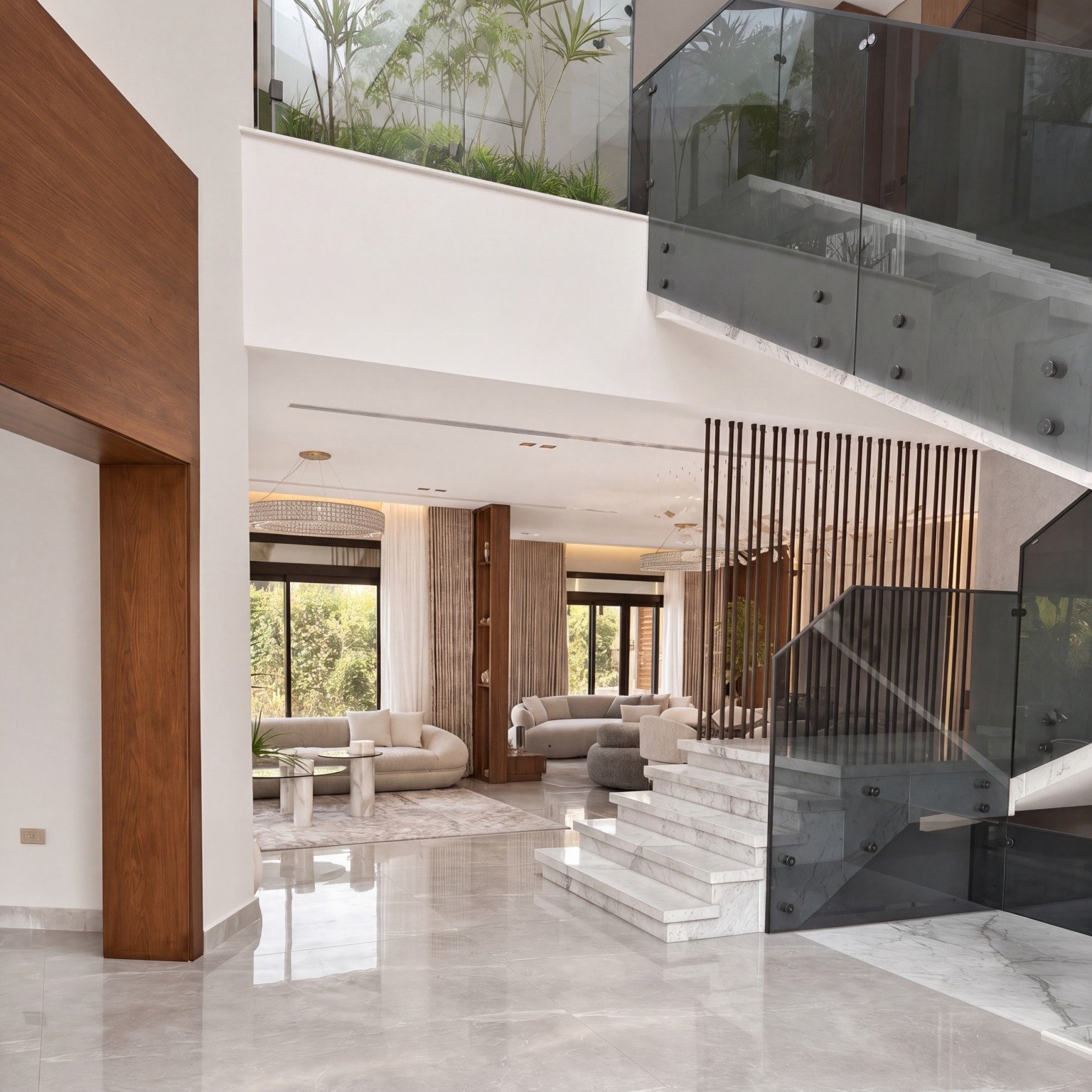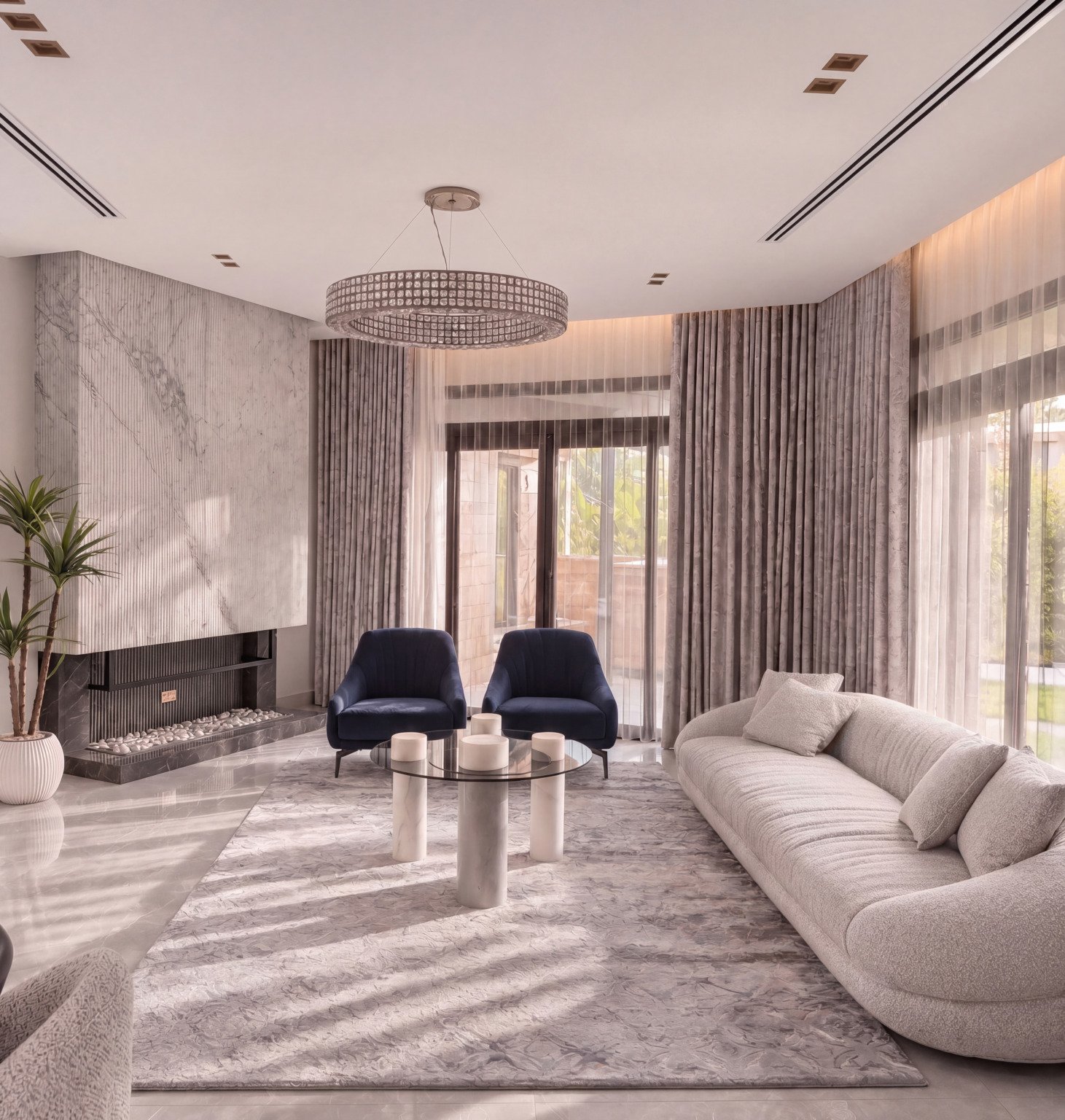

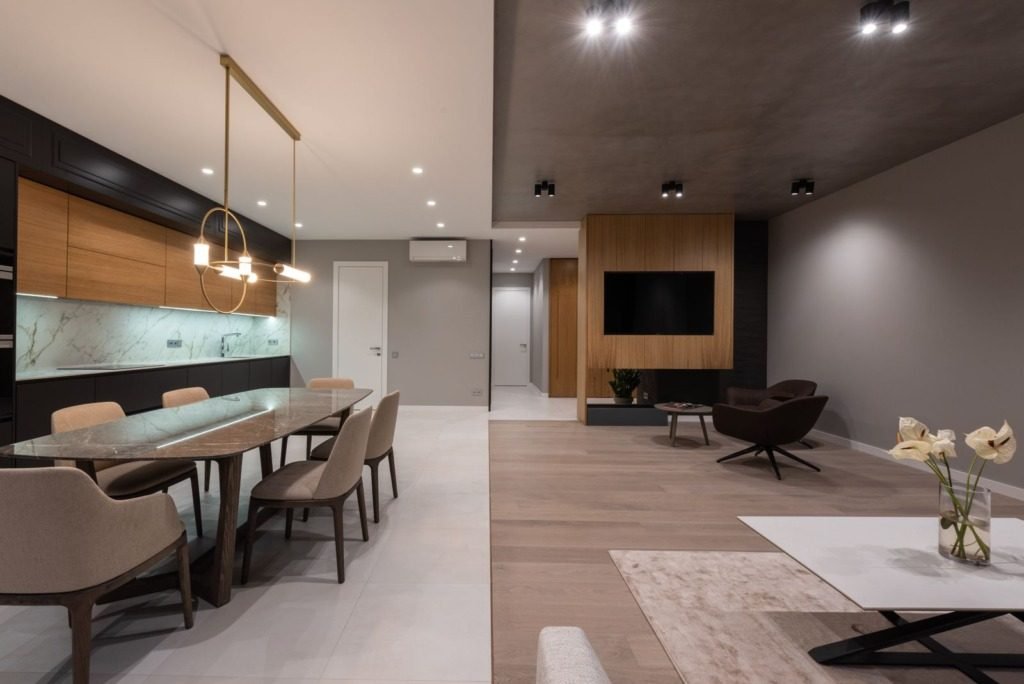
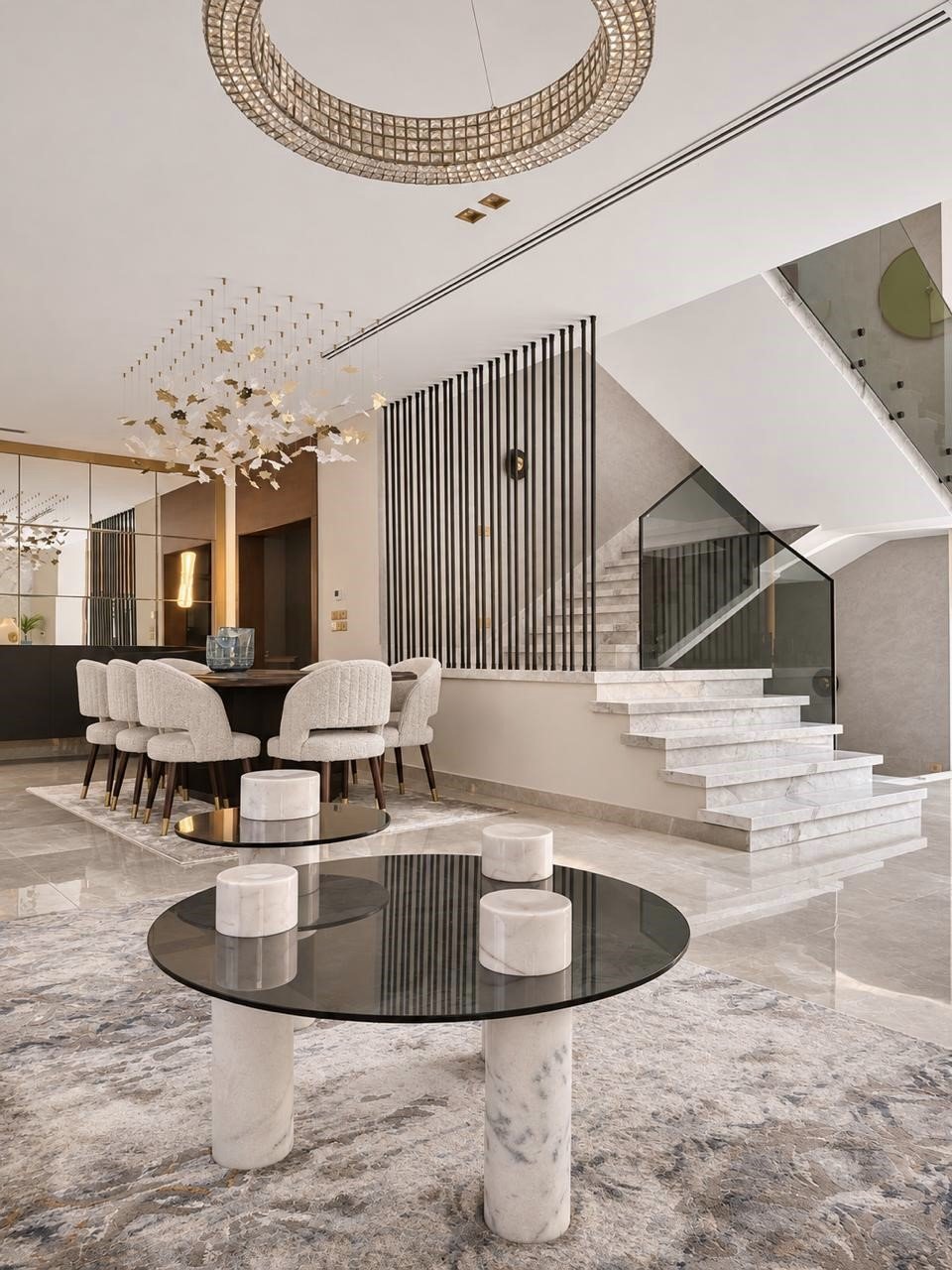
A room with expensive furniture and a single central ceiling fixture still looks unfinished, and a modestly furnished room with proper layered lighting looks considerably more expensive than it cost. Lighting is the layer most homes get wrong first.
The Three Layers, Explained
- Ambient light: general, even illumination, usually from ceiling fixtures or cove lighting, dimmable rather than fixed at one brightness
- Task light: focused light where an activity actually happens, reading, cooking, working, aimed rather than general
- Accent light: light that highlights a specific feature, artwork, a textured wall, a piece of furniture, adding depth after dark
Why a Single Fixture Fails
One central light source flattens a room: every surface gets the same flat illumination and shadows disappear, which is precisely why a room lit this way looks like a shop display rather than a home. Three layers create depth because different parts of the room are lit differently, the way daylight naturally does.

Colour Temperature Matters More Than People Expect
Warm light, roughly 2700 to 3000K, suits most residential materials, stone, wood, warm-toned fabrics, and is what makes a majlis or living room feel welcoming after sunset. Cooler light above 4000K belongs in kitchens and bathrooms, where clarity matters more than warmth.
Good lighting is not noticed as lighting. It is noticed as the room looking right.
Dimming Is Not Optional
A room used for both daily family life and evening hosting needs its lighting to change with the occasion, which requires dimmable circuits planned at the electrical stage, not added afterward with a single retrofit dimmer covering the whole room.
Where This Gets Planned
A Residential Interiors includes a lighting plan as a core drawing, not an afterthought, specifying fixture type, position and circuit for every layer before a single fixture is purchased.
Planning Light Before Anything Else Is Fixed
Lighting is easiest to get right when it is decided early, because every layer depends on decisions made elsewhere: where the ceiling drops, where the joinery sits, where the sockets and switches go. A fixture chosen late has to fit whatever is already built, and that is where compromises begin.
Start with how each room is used
Before any fixture is discussed, list what happens in each room and at what time of day. A majlis that hosts in the evening needs a different plan from a family room used mostly in daylight. The answers decide which layers matter most and how many separate circuits are needed.
Keep a sensible order of decisions
- Furniture layout first, so light can be aimed at where people actually sit
- Ceiling design and cove positions second, before any false ceiling work starts
- Circuits, dimmers and switch positions third, drawn on the electrical plan
- Fixture selection last, once the earlier decisions tell you what is needed
Coordinate with ceilings and joinery
Cove lighting needs a clean recess and access for maintenance. Picture lights need a power point behind the frame. Joinery with built in light needs a hidden route for cables. None of this is difficult when drawn early, and all of it is awkward to cut into finished surfaces.
Lighting the Majlis and Living Spaces
The majlis for hosting
A majlis is used for long evenings with many people seated around the walls, so the light should reach faces gently without glare. Soft indirect light from coves or wall washers, a few warm lamps at seating height and a dimmable central feature usually work better than bright downlights placed in a grid.
Everyday family rooms
Family rooms need flexibility. Reading corners want focused light, television areas want soft background light that avoids reflections on the screen, and dining areas want a pendant or fitting sized to the table. Separate circuits let each zone change without lighting the whole room.
Corridors, entrances and transitions
Entrances and corridors are often forgotten, yet they shape the first impression. A little wall light or a lit niche is enough to guide guests towards the majlis, and a softer level in the corridors helps the rooms feel connected rather than separate boxes.
Fixtures, Materials and Climate
Choosing fixtures to suit the finishes
Polished stone, glossy lacquer and mirrored panels bounce light around, while matt plaster and fabric absorb it. The same fixture can look very different in each setting, so fixtures are best judged against the actual finishes, not in a showroom under its own lighting.
Heat, dust and maintenance
In a hot, dusty climate, fittings that are sealed, easy to clean and easy to reach for bulb or driver replacement save frustration later. Ask where the driver is housed, whether the light source can be replaced, and whether the fitting can be wiped down without being dismantled.
Daylight and glare
Strong daylight changes how a room looks in the afternoon, and curtains or sheers are part of the lighting plan. Plan the artificial light for the hours when daylight fades, and check that screens, glass and glossy surfaces do not throw glare back at seated guests.
Working Remotely With a Cairo Studio
What the studio needs from you
- Plans of the property, even rough ones, with ceiling heights if known
- Photographs of each room in daylight and at night
- Notes on how each room is used and by whom
- Any fixed items such as windows, columns or existing joinery
How drawings and samples are handled
Lighting plans, ceiling drawings and fixture schedules are shared digitally and reviewed together on a call. Fixture samples or finish references can be requested through suppliers, and your contractor on site coordinates installation against the drawings.
Comparing Quotes and Lead Times
Compare like for like
Two lighting quotes can differ only because one assumes cheaper fixtures, fewer circuits or no dimming. Ask each supplier to price against the same schedule, and check what is included: drivers, dimmers, installation and any special mounting.
Order early
Imported and custom fixtures often carry long lead times, and a late delivery can hold up ceiling closure. Confirm the fixtures that affect the ceiling and wiring first, and leave decorative items that can be fitted last for later.
Mistakes Worth Avoiding
Lighting every surface equally
Even brightness everywhere removes the contrast that makes a room interesting. Let some corners stay softer, and light the surfaces that deserve attention.
Mixing many colour tones
Using different shades of white light in one room makes finishes look inconsistent. Keep one warm tone through each connected space, and vary only where a room has a clear reason to differ.
Forgetting the switch plan
A beautiful scheme is frustrating if switches are confusing. Group controls by scene and label them clearly on the drawings before wiring starts.
Frequently Asked Questions
Do I need dimmers in every room?
Not every room, but the majlis, living rooms, dining areas and bedrooms benefit most. Kitchens and bathrooms usually need them less.
Can lighting be improved in a home that is already finished?
Yes, to a degree. Floor lamps, table lamps, plug in wall lights and added dimmers can add layers without opening walls, though a full plan is easier before finishing.
Should I choose fixtures before the designer draws the plan?
It is better to decide layers and positions first, then choose fixtures that suit them. Buying first often forces the plan to fit the fixture.
Can the studio plan lighting for a home in Saudi Arabia from Cairo?
Yes. The plan is drawn from your plans, photographs and notes, shared digitally and reviewed on calls, and your contractor carries it out on site.
Does warm light make a room feel smaller?
Not when it is layered and dimmable. Warm light mostly makes a space feel calmer, and well placed indirect light helps the ceiling and walls feel open.
Add a second and third layer of light to any room lit by only one ceiling fixture. It is one of the least expensive upgrades with the most visible result.
Free guide
Choosing Materials That Last in a Saudi Home
Leave your details and we will email you the guide on this subject straight away.
One guide, no repeat mailings.
Your guide is on its way
Check your inbox in a few minutes. If it is not there, look in your spam folder.