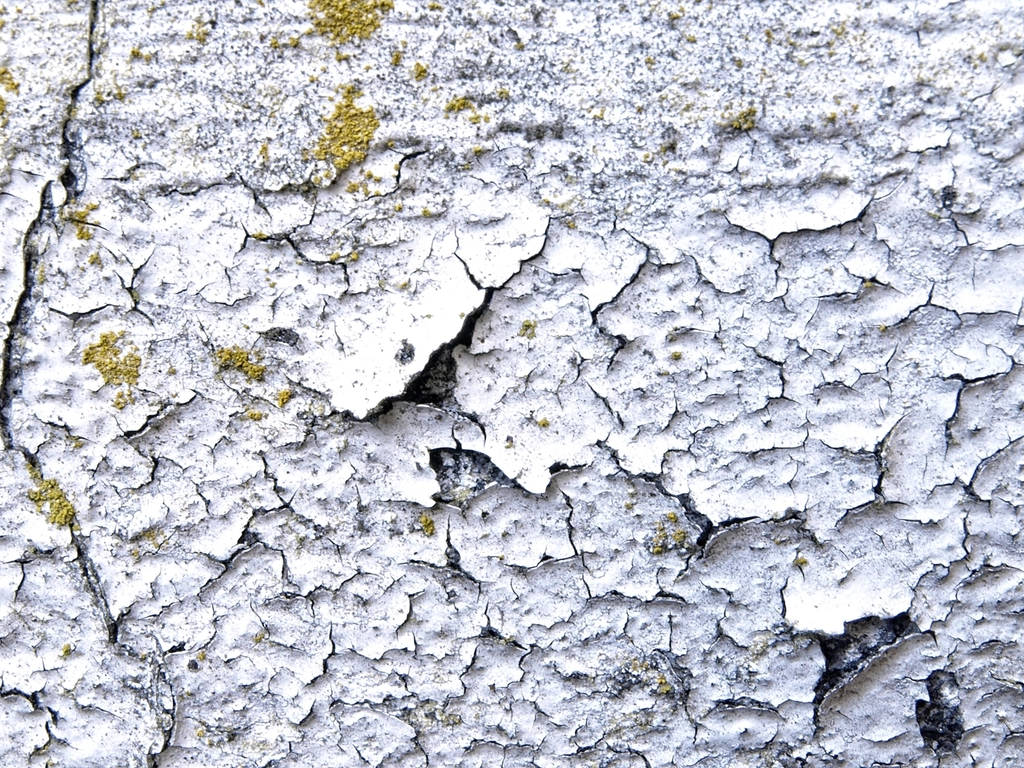
A dark patch appears behind the wardrobe, or a line of bubbling paint runs along the bottom of a wall. It gets scraped and repainted, looks perfect for a few months, and comes back in the same place. That cycle can continue for years, and every repaint makes the next one worse, because none of them addressed what is actually feeding the wall.
Damp is not a decorating problem, it is a water problem wearing a decorating disguise. The finish is the last thing to fix, not the first, and getting that order right is most of the job.
The Four Sources, and How to Tell Them Apart
Almost all damp in a Cairo apartment comes from one of four sources, and each leaves a different signature.
- A leak, which produces a patch that grows, is often warm to touch near a pipe run, and worsens independently of the weather
- Rising damp from a ground or basement level, which forms a horizontal tide line low on the wall
- Condensation, which appears on the coldest surfaces, in corners and behind furniture, and is worst in winter and in closed rooms
- A failed waterproofing layer in a bathroom or kitchen above or beside the affected wall
Why Condensation Is the One Most People Get Wrong
In apartments the most common cause is condensation, and it is the one most often misdiagnosed as a leak. Cairo homes are closed up against heat and dust for much of the year, cooking and bathing put a great deal of moisture into the air, and that moisture settles on the coolest surface it can find. That is usually an external wall corner, or the wall behind a wardrobe pushed flat against it where no air moves.
The tell is location. Condensation appears where air is still and surfaces are cold, and it appears in several rooms at once. A leak appears in one place and spreads from it.
Finding the Source Before Choosing a Finish
A moisture meter reading taken in several places, at several heights, over a couple of weeks tells you far more than a single look. Rising damp reads high at the base and falls with height. A leak reads high in a concentrated area. Condensation reads at the surface but drier inside the wall. That distinction decides everything that follows, because the repair for one does nothing for the others.
Repainting a damp wall is not a repair. It is a way of finding out where the damp will appear next season.
Finishes That Help, and Finishes That Trap
Once the source is fixed, the finish still matters. Vapour permeable paints let a wall dry outwards, while heavy waterproof coatings applied over a wall that is still wet trap moisture inside and push it somewhere else, usually into the adjoining room. Insulating a cold external wall internally raises its surface temperature and stops condensation forming in the first place, which is a real fix rather than a cosmetic one.
- Repair the source and let the wall dry fully before any finish goes on
- Use a breathable paint system on walls that have had damp, not a sealing one
- Insulate cold external walls internally where condensation is the cause
- Leave an air gap behind wardrobes and large furniture on external walls
- Extract moisture at source in kitchens and bathrooms rather than into the hallway
Damp and Mould on Walls in Cairo Homes, and When to Involve a Designer
Damp becomes an interior design question at the point where the fix changes the room: internal insulation takes wall thickness, moving a wardrobe changes the storage plan, and adding extraction changes a ceiling. Planning those together is much cheaper than solving them one at a time, and it is the difference between a wall that stays dry and a wall that is dry until next winter.
Reading the Wall Before You Touch It
What the Pattern Is Telling You
Look at the shape, the edges and the position of the mark before anyone brings a brush. A line low on the wall points one way, a stain that spreads outwards with a darker rim points another, and speckled dark growth in a still corner points to a third. Photograph the mark on different days so you can see whether it follows the weather, follows the shower, or ignores both.
Questions Worth Asking First
- Does the mark change after showers, cooking or washing
- Does it follow the weather or the season
- Is there a bathroom, kitchen, balcony or roof above or beside the wall
- Has the wall been repainted before, and with what
- Has furniture been moved against it recently
Dealing With Mould Safely
Why Cleaning Alone Does Not Last
Mould is a sign, not the problem itself. Wiping or washing a wall makes it look better, but growth returns for as long as the surface stays damp and the air stays still. Clean it so you can see the wall properly, then turn your attention to the cause. If you clean and nothing else changes, you have simply sent the problem back to the starting line.
Protecting Yourself and Your Things
Open windows while you clean, wear gloves and a mask, and avoid dry brushing that throws spores into the air. Move fabrics, books and leather away from the affected wall and check them, because these hold moisture and smell. If anyone at home has breathing difficulties, ask a doctor rather than relying on a designer.
Everyday Habits That Keep Walls Dry
Moving Air in a Closed Home
Cairo homes are shut against heat and dust, so moisture has nowhere to go. Open windows briefly when the air outside is cleaner, run the extractor while cooking and bathing, and keep the doors of wet rooms closed so humid air does not travel through the home. Air conditioning helps, but cold air blown straight at a wall can chill its surface and invite condensation, so point it away from walls that have shown marks.
Furniture, Curtains and Storage
Pull wardrobes a little away from external walls and leave space at the top and sides for air. Keep clothes loosely packed, and avoid heavy curtains pressed against cold glass. Where possible, place the biggest storage on internal walls, which stay warmer and drier, and give external walls lighter pieces on legs.
Planning the Repair Around Daily Life
The Order the Work Should Follow
Stop the water first, then open the wall, let it dry fully, repair, prepare and only then decorate. The drying stage is the one people rush, because it looks as though nothing is happening. Build it into the schedule honestly, and do not let an event or a deadline push paint onto a wall that is not ready.
Shared Walls, Pipes and Roofs
In an apartment block the source may sit in a neighbouring flat, a shared pipe run or the roof. Tell the building management early and in writing, and ask a plumber to look before any wall is opened. Who is responsible for the repair can depend on the arrangements in your building, so take legal advice if it turns into a dispute.
Choosing Who Does the Work
Ask for a Diagnosis, Not Just a Price
A good contractor will want to look at the wall, ask about its history and say what they think the cause is before naming a figure. Be wary of anyone who offers a quick fix at first glance without asking a single question about the water.
Comparing Quotes for Damp Work
A quote that lists only scraping and repainting is not a repair. Look for quotes that name the suspected cause, the drying, the preparation of the surface and the final finish as separate items. Where two quotes differ widely, the cheaper one has usually left out the cause.
Frequently Asked Questions
Can I paint over mould with an anti mould paint?
It may hide the problem for a while, but if the wall is still wet the growth will come back through it. Treat the cause and let the wall dry first.
Why does damp seem worse in winter?
Cold surfaces and closed rooms encourage condensation, so marks appear more often. A true leak does not care about the season, so if a patch grows in every season, look for water.
Should the old plaster be replaced?
Often soaked or crumbling plaster is removed rather than covered, but only after the source is fixed and the wall has dried. The person who inspects the wall should decide.
When should I call a professional?
When a mark returns after repainting, keeps spreading, or sits near sockets or wiring. If damp reaches the electrics, switch off that supply and ask a qualified electrician.
Fix the source and let the wall dry completely before anything is painted. Every repaint over a wet wall is money spent on the same problem twice.
If a wall in your home has been repainted more than once in the same place, Residential Interiors can help work out which of the four causes it is and plan the repair into the room rather than around it. A Seasonal Maintenance Checklist for Your Cairo Home covers the checks that catch this early.

Free guide
Choosing Materials That Last in a Cairo Home
Leave your details and we will email you the guide on this subject straight away.
One guide, no repeat mailings.
Your guide is on its way
Check your inbox in a few minutes. If it is not there, look in your spam folder.