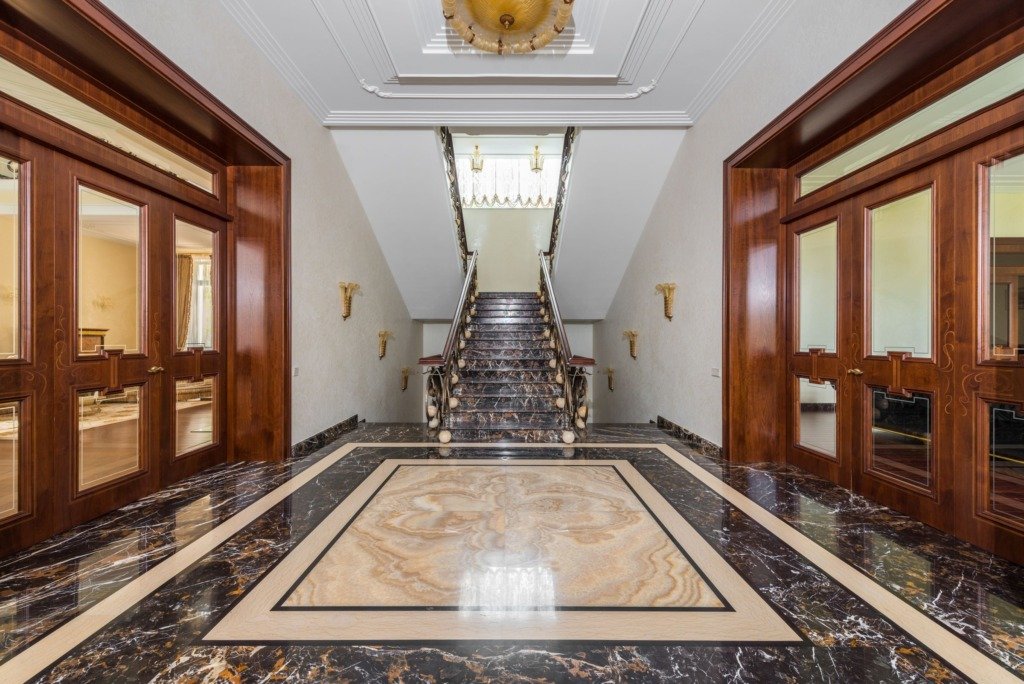
Marble vs porcelain flooring in Cairo comes up in nearly every material conversation we have with clients, and the honest answer is that neither one is simply better. They perform differently under the specific conditions of a Cairo home, and the right choice depends on which room you are flooring, how the space is used, and how much upkeep you are genuinely willing to commit to over the years.
This kind of decision comes up constantly in our Residential Interiors projects across Cairo, and it is usually worth settling early rather than late.
Marble is the material people picture first when they imagine a luxury floor, and for good reason. It has genuine depth, natural veining that no printed surface fully replicates, and a coolness underfoot that feels good through a Cairo summer. Porcelain has closed the gap considerably, with large-format slabs now printed with convincing stone patterns, and it wins on nearly every practical measure that matters day to day.
Cost and What You’re Actually Paying For
Marble typically costs more, and the gap widens once you account for sealing, specialist installation, and the higher rate of breakage during transport and cutting. Porcelain slabs, even high-end large-format ones, are more predictable to price and install, and there is far less variance between a good installer and a mediocre one, since the material itself is more forgiving.
Maintenance: The Real Difference
This is where the two materials genuinely diverge. Marble is porous and needs sealing on installation and again periodically, or it will stain from oil, coffee, or the mineral content in Cairo’s tap water, which tends to leave visible marks on unsealed stone over time. Porcelain is essentially non-porous straight out of the kiln, needs no sealing, and shrugs off spills that would etch a marble surface within minutes.
- Marble needs resealing roughly every one to two years depending on traffic and use
- Porcelain needs nothing beyond normal cleaning for its entire lifespan
- Marble scratches and etches from acidic spills like lemon juice or vinegar
- Porcelain resists scratching well enough to handle daily foot traffic and furniture without specialist care
Heat, Scratch Resistance, and Daily Wear
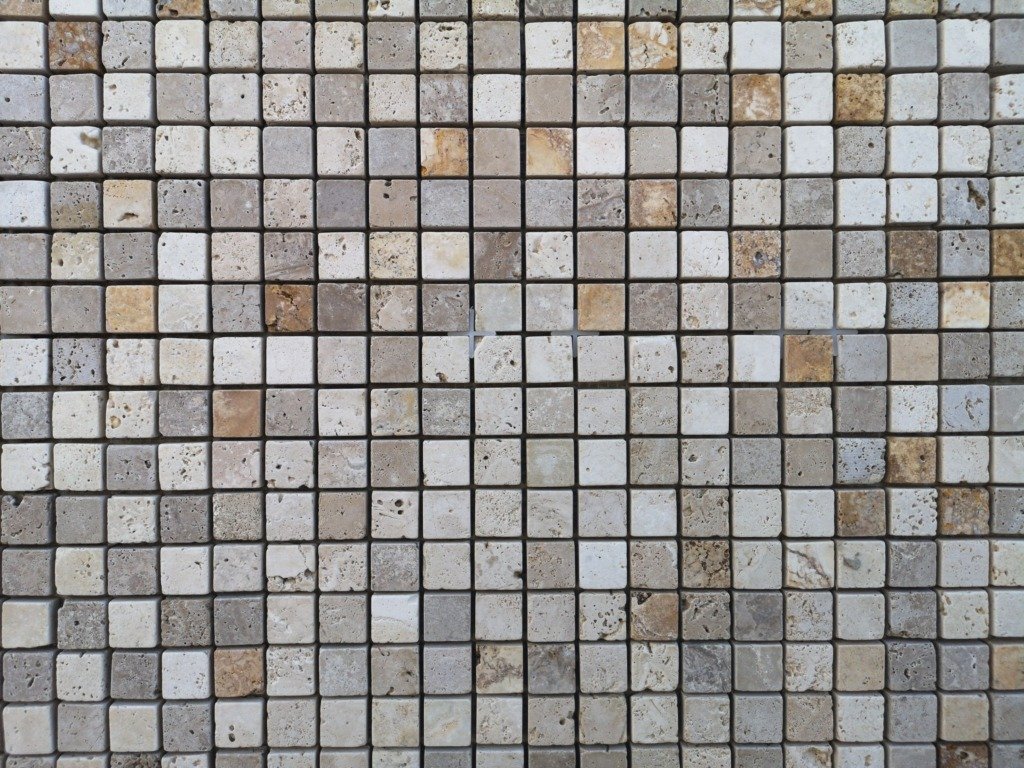
Marble stays genuinely cooler underfoot, which is a real advantage in a country where floors are bare for a good part of the year. Porcelain warms up faster and holds a bit more heat, though the difference is smaller than most people expect once furniture and rugs are factored in. On scratch resistance, porcelain is the clear winner, since porcelain is fired at extremely high temperatures and comes out harder and denser than natural marble.
This pairs naturally with a related decision we cover in Choosing a Bathroom Vanity in Cairo.
Marble vs Porcelain Flooring in Cairo: Where Each One Makes Sense
Marble earns its place in entryways and feature areas where the natural variation and cool surface genuinely add something, and where the household is willing to maintain it properly. Porcelain is the more sensible choice for most of an apartment, including kitchens, bathrooms, and high-traffic living areas, where consistency and low maintenance matter more than the extra depth marble offers. A hybrid approach, marble in one feature zone and porcelain everywhere else, is what we specify on most projects, since it captures the best of both without asking a household to maintain an entire apartment’s worth of natural stone.
Installation and Grout Line Differences
Large-format porcelain slabs are typically laid with much finer grout lines than marble, since the tiles themselves are more dimensionally consistent coming out of the factory, and this produces a cleaner, more continuous floor plane that reads as more contemporary in an open-plan living space. Marble, being a natural material, has slight variation piece to piece, which some installers compensate for with slightly wider joints, and that variation is actually part of what gives a marble floor its character rather than a flaw to hide. Either material needs an experienced installer in Cairo, since a poorly laid floor in either one will show lippage and uneven joints within the first year of daily use, well before the material itself has a chance to prove its worth.
A Note on Weight and Structure
Natural marble is considerably heavier than porcelain per square metre, which is rarely an issue on a ground floor but is worth mentioning to a structural engineer on an upper floor of an older Cairo building, particularly if a large area is being covered. Porcelain’s lighter weight and more predictable thickness also make it the easier material to work with for a renovation where existing floor levels need to be matched to adjoining rooms without a large step at the threshold.
A marble floor rewards the household that maintains it and punishes the one that doesn’t. Porcelain simply does not ask that question of you.
Planning the Floor Before You Order
Settle the Order of Works First
The floor is one of the last finishes to go in, yet one of the first to be decided. Cutting, plastering and painting all create dust and knocks, so a finished floor is best laid once the messiest trades are done. Floor thickness also changes door heights and thresholds, so the material needs to be chosen before those details are drawn.
Look at Samples in the Room Itself
A showroom is lit very differently from a home. Ask for full sample pieces rather than small chips, and look at them in the room where they will be laid, in morning light and in the evening, beside your wall colour and furniture.
Choosing the Surface Finish
Polished, Honed or Textured
A high gloss surface looks rich but shows footprints, water marks and dust quickly, which matters in a city where dust returns daily. A honed or softly matt surface is gentler on the eye and keeps a calmer look between cleans.
Wet Areas and Slip Resistance
Bathrooms, kitchens and any floor near a terrace door need a surface with some grip, because a mirror smooth finish becomes slippery once wet. In these rooms we choose a textured finish and keep the polished look for dry living areas.
Comparing Flooring Quotes Fairly
Two quotes for the same floor can describe very different jobs. Before comparing the bottom line, check what each one actually includes.
- Whether the quote covers the material only or the material and the laying
- Who prepares and levels the surface underneath, and who waterproofs the wet areas
- What happens to broken or surplus pieces, and who pays for replacements
- Whether both quotes describe the same size, thickness and finish, so you are comparing like with like
Ordering, Lead Times and Spare Pieces
Order From a Single Batch
Shade and veining shift slightly from one batch to the next, in porcelain as well as in stone. Order the whole floor together, with a little extra, so the colour stays consistent from the entrance to the last room.
Keep Spare Pieces for Repairs
Ask the installer to leave spare pieces with you, boxed and labelled. A chipped corner is far easier to fix when the exact match is still in the storeroom. Patterned or diagonal layouts use more material, so mention the pattern early.
Allow Time for Delivery
Natural stone is often chosen slab by slab and some porcelain is made to order, so confirm the delivery schedule in writing before the site is ready.
Caring for the Floor Once It Is Down
Most floor damage comes from grit carried in on shoes. A good doormat at the entrance and regular dry sweeping do more than any special product. For marble, use a gentle cleaner made for natural stone and avoid anything acidic. For porcelain, a soft mop and a mild cleaner are enough.
Frequently Asked Questions
Can marble be used in a kitchen?
It can, but a kitchen is where marble is most likely to stain or etch from oil, citrus and cooking spills. Porcelain is usually the calmer choice for a working kitchen.
Can I mix marble and porcelain in one home?
Yes, and it is often what we suggest. Place the change at a natural point such as a doorway, and choose tones that sit well together.
Should marble be sealed before we move in?
Yes. Natural stone should be sealed after installation and before regular use. Porcelain does not need this step.
Can I choose a floor from photographs?
Photographs help to narrow a shortlist, especially when you are working with us from a distance, but the final choice should be made from physical samples seen in your own light.
If you want the marble look without the marble maintenance, a large-format porcelain slab with a convincing stone print is now good enough to fool most guests standing in the room.
This exact comparison came up early in the material selection for Villa Basement Spa & Pool, where marble was used only in the entry and porcelain carried the rest of the apartment, a split that is typical of how Residential Interiors approaches flooring across a home. For a broader, room-by-room look at flooring choices beyond this one comparison, Choosing Flooring for a New Cairo Apartment is worth reading alongside this.

Free guide
Choosing Materials That Last in a Cairo Home
Leave your details and we will email you the guide on this subject straight away.
One guide, no repeat mailings.
Your guide is on its way
Check your inbox in a few minutes. If it is not there, look in your spam folder.