A kitchen backsplash in Cairo sits directly in the path of steam, splattering oil and daily wiping, which makes it one of the hardest-working surfaces in the entire apartment, not just a decorative strip between counter and cabinet. Tile, stone slab and glass all handle that combination differently, and the wrong choice shows wear within a year or two, right where guests and family look most often while you cook.
This is exactly the kind of decision our Residential Interiors team walks through with every Cairo client.
Most people choose a backsplash by matching it to the countertop in a showroom sample, which is a reasonable starting point but not the whole decision. Grout lines, seam placement, heat tolerance near the hob, and how easily grease wipes off each morning all matter more over five years of daily cooking than how the material photographs on day one.
Kitchen Backsplash in Cairo: Why the Hob Wall Matters Most
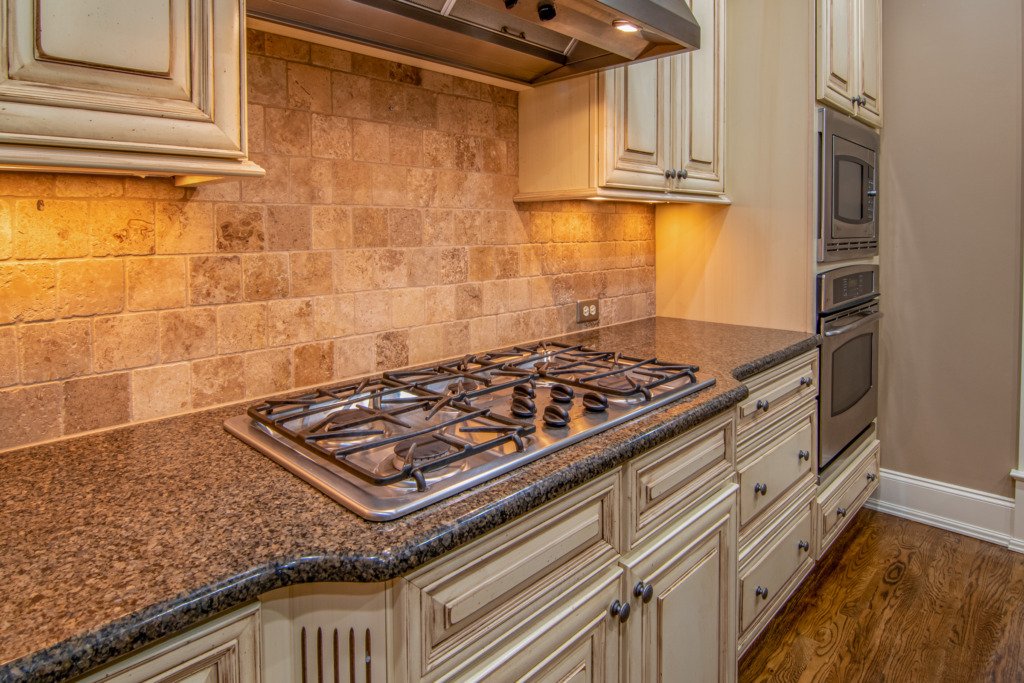
The section directly behind the stovetop takes the most abuse, splattering oil, steam, and the occasional scorch from a pan lifted too close to the wall, so it is worth treating that zone differently from the rest of the backsplash even within a single kitchen. A full-height stone or glass panel behind the hob, with tile or a cheaper material elsewhere, gives you the durability where it matters without paying a premium finish across the whole wall.
Ceramic and Porcelain Tile
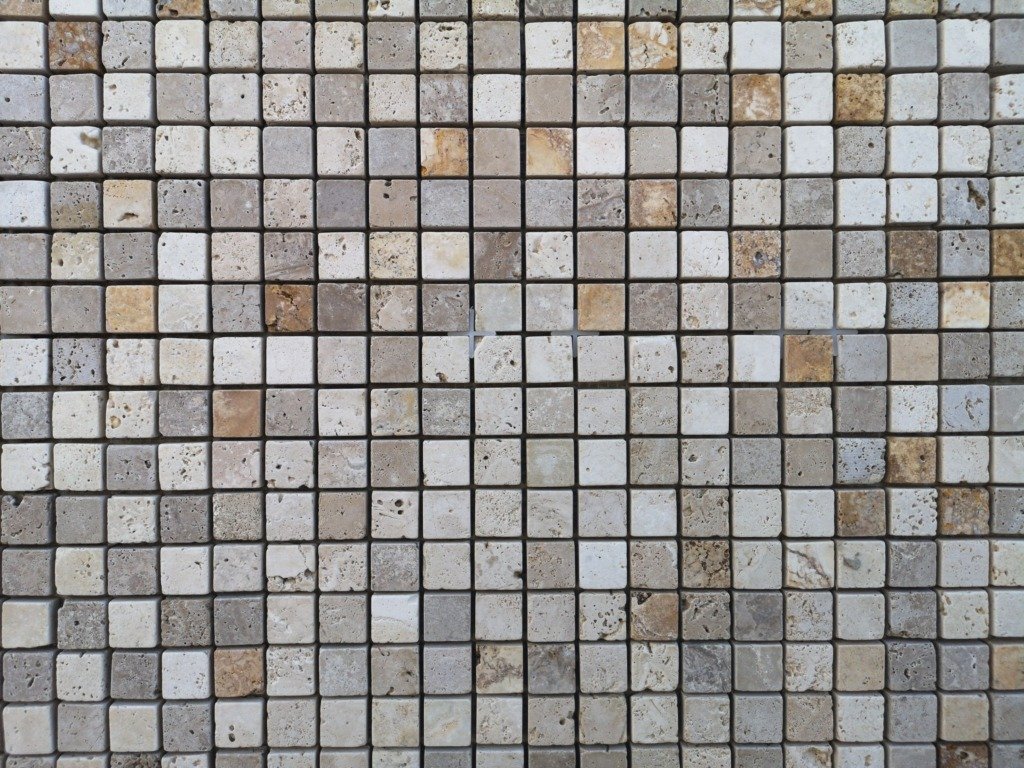
Tile remains the most practical choice for most Cairo kitchens because individual tiles are inexpensive to replace if one cracks, and porcelain in particular resists staining and heat well. The real weakness is the grout: unsealed grout absorbs oil and discolours within months near a busy hob, so ask for epoxy grout or a properly sealed cement grout, and expect to reseal it every couple of years to keep it looking clean.
Natural and Engineered Stone Slabs
A single slab of stone, natural or engineered, run from counter to cabinet with no grout lines at all, gives the cleanest look and the easiest surface to wipe down after cooking, since there are no seams for oil to collect in. Engineered quartz handles heat and staining more predictably than natural stone, which can etch or stain if left uncovered, and it costs less to fabricate as one continuous piece for a standard kitchen wall.
If you are weighing this alongside other choices, our guide to Warm vs Cool Lighting in a Cairo Home is worth reading next.
Glass
- Toughened glass panels wipe completely clean in seconds, with nothing for grease to catch on
- Back-painted glass gives a solid colour with no grout, though scratches show more visibly on darker finishes
- Glass shows fingerprints and dust more than tile or stone, so it needs more frequent cleaning near a busy hob
- Installation requires a precise, professional fit since panels cannot be trimmed on site the way tile can
Matching the Backsplash to the Countertop, Not Fighting It
A backsplash does not need to match the countertop exactly, but the two surfaces are read together in every photo and every glance across the kitchen, so a jarring mismatch in tone or veining reads as a mistake rather than a deliberate contrast. If the countertop already carries strong veining or pattern, a plain, quiet backsplash usually looks more considered than another patterned surface competing for attention. Conversely, a simple stone or solid-colour countertop can carry a bolder tile or a textured glass backsplash without the kitchen feeling busy. Bring a countertop sample to the backsplash decision rather than choosing the two separately.
Height and Coverage: Full Wall or Just Behind the Counter
A backsplash does not have to run to the underside of the upper cabinets, though full coverage protects more wall and looks more finished in an open kitchen visible from the living or dining area. A shorter run, stopping at 45 to 60cm, costs less and is common where budget is tight, but it leaves painted wall exposed above it that will need repainting sooner than the backsplash itself needs replacing. In an open-plan New Cairo apartment where the kitchen wall is visible from the dining table, full-height coverage generally reads as the more considered, complete choice.
Whatever material you choose, the wall directly behind the hob deserves the toughest option in the kitchen, not the prettiest one.
Planning the Backsplash Before the Kitchen Is Installed
Settle Sockets, Switches and the Hood Position First
Every socket, every switch and the extractor hood sits on the backsplash wall, and each one interrupts the surface. Fix their positions on the plan before the material is ordered, so a tile pattern or a stone slab can be cut and laid around them cleanly.
Check the Wall Before Anything Is Fixed to It
A backsplash is only as good as the wall behind it. Uneven plaster, old damp marks or loose areas should be dealt with first, because any material fixed over a poor surface will show the problem sooner or later.
Order the Backsplash After the Countertop Is Measured
The exact height from countertop to cabinet is only certain once the countertop is in place. Measuring then, rather than relying on the drawings alone, helps avoid gaps and awkward cuts, especially with glass panels, which cannot be trimmed on site.
Keeping a Backsplash Clean in a Cairo Kitchen
Dust and Grease Work Together
Fine dust that enters through open windows settles on a thin film of cooking grease and forms a layer that is harder to remove than either one alone. A quick daily wipe of the area behind the hob stops that layer from building up.
Choose Gentle Cleaners
Mild soap and warm water on a soft cloth is enough for most surfaces. Harsh or acidic cleaners can dull natural stone and wear down grout, so check with the installer what suits your material before using anything strong.
Inspect Joints and Sealant from Time to Time
Look along the grout lines and the join with the countertop for cracks or darkening. Small gaps let water and oil reach the wall behind, so repairing them early is simpler than replacing sections later.
Colour, Pattern and Light in the Kitchen
Let Natural Light Guide the Colour
A kitchen with strong daylight can carry deeper colours, while a kitchen with little natural light usually feels better with lighter, softer tones. View samples on the wall itself, at the time of day you cook most, before deciding.
Use Pattern in Small Doses
A patterned tile can become tiring when it covers a whole wall that you see every day. A pattern limited to the hob wall or a short run, with a calmer surface elsewhere, often stays enjoyable for longer.
Think About the Evening Lighting
Glossy surfaces reflect under-cabinet lights, while matt finishes absorb them. Decide on the lighting and the finish together, since a reflection that looks pleasant in daylight can feel harsh at night.
Details That Are Easy to Overlook
Edges, Corners and Trims
The place where the backsplash ends, at an open edge or a corner, needs a clean finish. Ask how each edge will be treated, as a neat trim or a carefully cut edge makes the whole installation look professional.
The Wall Behind the Sink
Water splashes around the sink as much as oil splashes around the hob. Carrying the backsplash behind and slightly beyond the sink protects the wall from constant damp.
Keep Spare Material
Ask for a small amount of spare tile or offcuts to be kept after installation. Finding an exact match years later can be difficult, and a spare makes any future repair far easier.
Frequently Asked Questions
Which backsplash material is easiest to clean?
A single stone slab or a glass panel, because there are no grout lines for oil to collect in. Porcelain tile with sealed or epoxy grout comes next.
Should the backsplash go in before or after the countertop?
It is usually fitted after the countertop so the measurements are exact, but confirm the order with your installer for your chosen material.
Can I change the backsplash later without redoing the kitchen?
Often yes, particularly with tile or glass, although it depends on the condition of the wall and how the backsplash meets the countertop and cabinets.
Does a backsplash need sealing?
Grout and natural stone usually benefit from sealing, while glass does not need it in the same way. Ask your installer which product suits your material.
Do I need a backsplash behind the sink as well?
Yes, in most kitchens. Water splashes there every day, and a protected wall stays in better condition than painted plaster.
Treat the backsplash as a working surface first and a decorative one second, the materials that wipe clean easiest are usually the ones you will still like in five years.
Backsplash material is chosen alongside the countertop as part of the kitchen planning inside Residential Interiors, and Villa Basement Spa & Pool ran a single stone slab behind the hob with simpler tile elsewhere in the same kitchen for exactly this reason. Material durability in wet, heat-exposed rooms is a theme that runs through Choosing Bathroom Materials That Still Look Good in Five Years as well, for anyone weighing the same trade-offs in a bathroom.

Free guide
Choosing Materials That Last in a Cairo Home
Leave your details and we will email you the guide on this subject straight away.
One guide, no repeat mailings.
Your guide is on its way
Check your inbox in a few minutes. If it is not there, look in your spam folder.