
The question usually arrives as how long will this take, and the honest answer is longer than the internet suggests and shorter than a bad project takes. What follows is a realistic interior design timeline in Cairo for a full home interior, the sort with drawings, trades and joinery in it. A single room styled around existing furniture runs on a much shorter clock. The stage lengths below are the ones the studio works to on projects in Cairo and New Cairo.
It’s a detail we address as standard whenever we take on Residential Interiors for a Cairo home.
Stage one: brief and survey
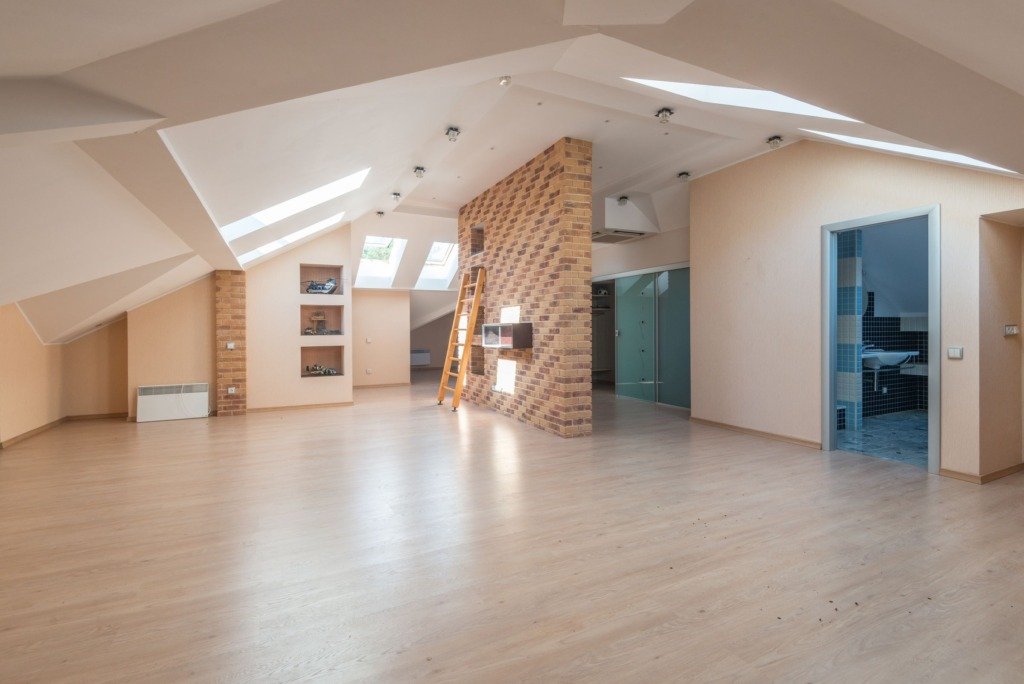
Two to three weeks. The site is measured properly, the existing services are recorded, and the brief is written down in a form both sides can be held to. This stage looks slow and is the cheapest time you will ever spend. Nearly every expensive change later is a brief that was never actually agreed.
Stage two: concept and space planning
Three to five weeks. Layouts, circulation, the argument about whether a wall moves. You should expect two or three rounds here, and you should use them. Changing a plan is free. Changing a built room is not.
Stage three: developed design and visualisation
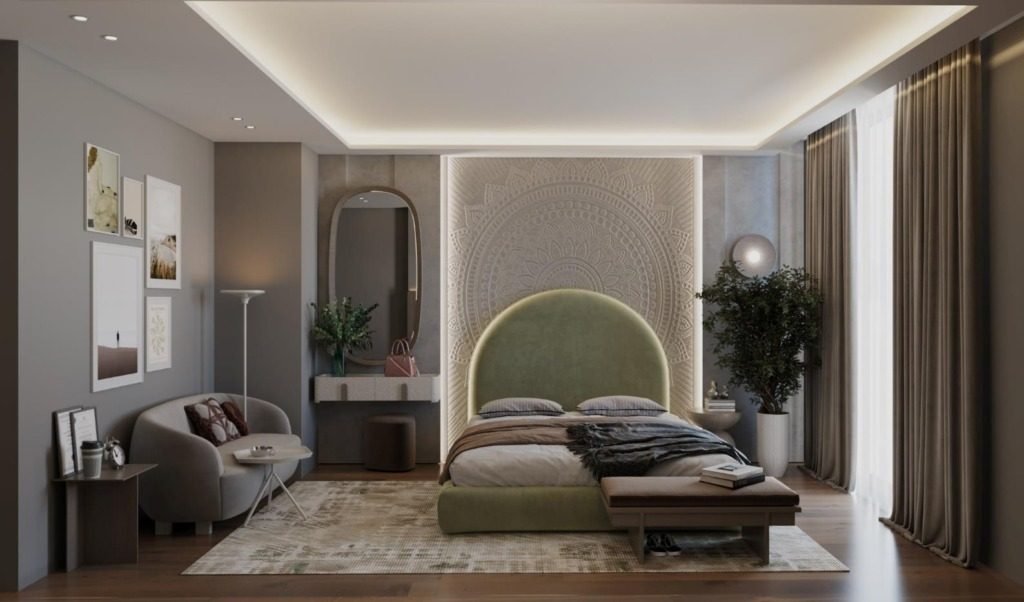
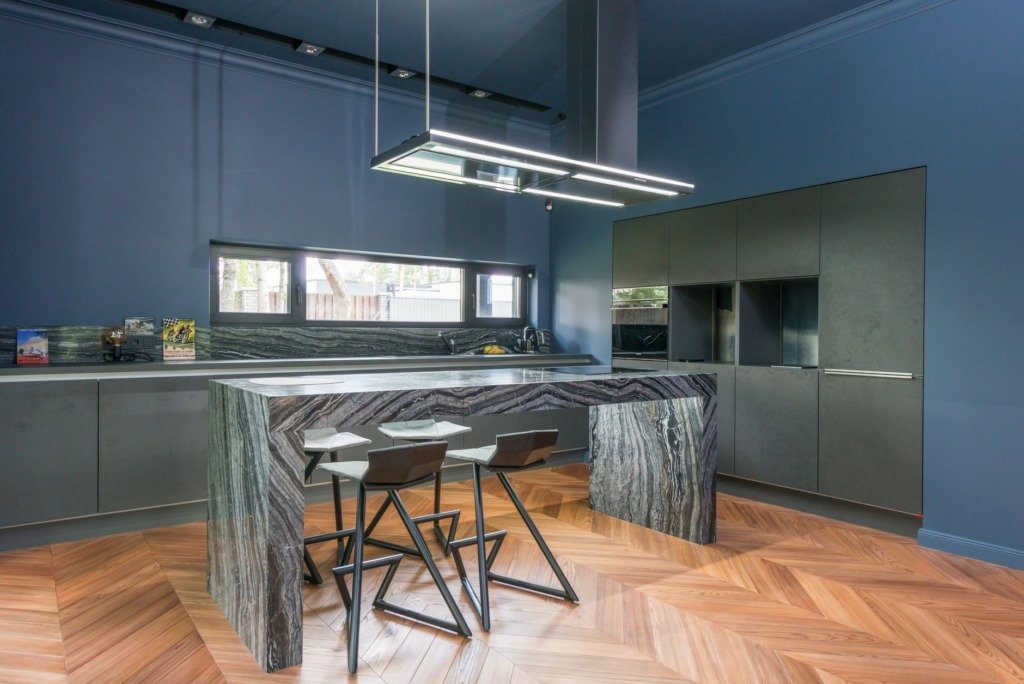
Three to four weeks. Materials, finishes, lighting positions, joinery in principle. This is where a scheme becomes specific enough to price. If you are unsure about a room, this is the moment to see it properly rather than imagine it, which is what Lighting: The Layer Most Homes Get Wrong gets at from a different angle.
Stage four: technical drawings
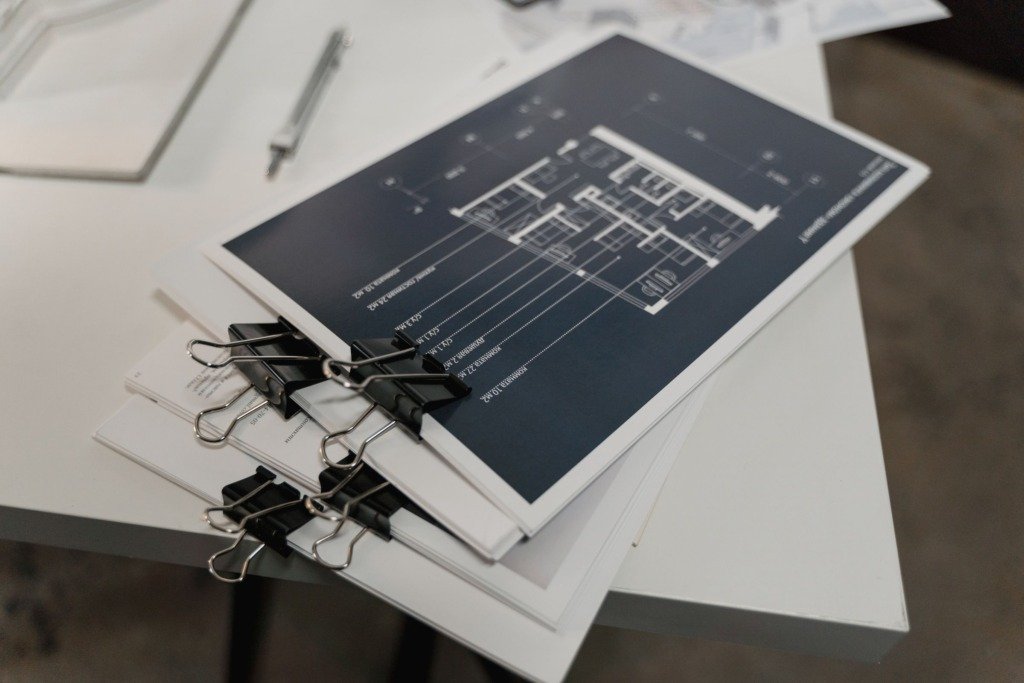
Four to six weeks. The unglamorous stage that decides whether the build goes smoothly. Setting out, electrical and lighting plans, plumbing positions, joinery details at scale, finish schedules. A contractor who is guessing is a contractor who is charging you for guessing.
For a closer look at a related piece of the puzzle, see What Happens During a Site Survey Before Design Work Starts.
Stage five: tender and procurement
Three to six weeks, and this one is genuinely unpredictable. Contractors price, questions come back, drawings get clarified. Long lead items are ordered now. Stone, bespoke joinery and imported furniture can carry lead times of eight to sixteen weeks on their own, which is why they are ordered before the site is ready for them rather than when it is.
Stage six: construction and installation
Eight to twenty weeks for most homes, depending on how much structure moves. Site visits, coordination, decisions that could not have been foreseen, and the steady conversion of drawings into rooms.
Stage seven: styling and snagging
Two to three weeks. Furniture lands, lighting is balanced, the last details are corrected. This is the stage clients most want to skip and most regret skipping.
Nothing on a schedule is as expensive as a decision that was made twice.
Interior Design Timeline in Cairo: What It Adds Up To
Six to nine months from first meeting to a finished home is normal for a full project. Under four months usually means the scope was smaller than it sounded. Over a year usually means something outside the design was the constraint.
The three things that quietly add months
- Decisions that reopen. A layout revisited after technical drawings have started does not cost a week, it costs the drawings
- Long lead items ordered late. Stone and bespoke joinery do not care how urgent the project has become
- Approvals. Building permissions, management company sign off and, in apartment buildings, the rules about when work may happen at all
None of the three are design problems. All three are schedule problems, which is why the schedule is worth agreeing as carefully as the budget.
What Changes the Length of a Project
Scope and size
A full home with several bedrooms, bespoke joinery and new services takes longer than an apartment refresh, simply because there is more to draw, price and build. Before talking about a timeline, the studio asks what is being changed, not only how large the space is.
How quickly decisions are made
Design moves at the speed of the slowest approval. A household that can agree on a layout in one sitting saves more time than any amount of extra drawing. Where several people share the decisions, it helps to name one person who confirms each stage in writing.
Whether the structure moves
Moving walls, changing bathroom positions or relocating a kitchen brings in engineers, permissions and wet trades. A scheme that keeps the existing services in place is faster, and the saving is real even when the finished result looks just as considered.
The Planning Order That Protects the Schedule
Most delays are sequencing problems rather than effort problems. The order below is the one that keeps a project moving.
- Agree the brief and the scope in writing before any layout is drawn.
- Settle the plan and the position of every wall before materials are chosen.
- Fix lighting, power and plumbing points before joinery is detailed.
- Confirm the finishes with long lead times before the tender goes out.
- Leave soft furnishings and styling for last, but choose them early enough to be ordered.
Each step depends on the one before it. Skipping ahead feels fast and usually means a drawing is redone later.
Materials, Climate and Lead Times
Imported and made to order items
Stone, tile, fittings and furniture that are not held in stock are the usual cause of waiting. Ask for the lead time of every major item at the moment it is specified, and record it against the construction programme.
Climate and the time of year
Cairo heat and dust affect when certain finishes can be applied, and some paints, adhesives and timber work best in stable conditions. Allow the programme room to breathe, and avoid scheduling delicate finishes for the hardest days of summer.
Working Remotely With a Cairo Studio
Many clients live abroad or travel often, and the process is built to work that way. Surveys are done on site by the studio or a trusted representative, presentations happen on video calls, and every decision is confirmed in writing so nothing depends on being in the room.
The main thing remote clients should plan for is a clear contact on site, someone who can receive deliveries, open the property and sign for access. With that in place, the pace is the same as for a client who lives down the road.
What to Prepare Before the First Meeting
- Plans or sketches of the property, even if rough.
- Photographs of every room, taken in daylight.
- A short list of what works and what does not today.
- Images of rooms you like, with a note on why.
- Any building rules about working hours, deliveries or lifts.
Arriving with these means the first stage starts with facts rather than guesses, and it is the most honest way to shorten the front end of a project.
Frequently Asked Questions
Can the schedule be compressed?
Sometimes, by making decisions faster and ordering long lead items early. It is rarely possible by asking trades to work faster, because that is where mistakes enter.
Why does the process have so many stages?
Each stage produces the information the next one needs. Removing one usually moves the work, and the cost, onto the site.
Does remote work take longer?
Not when approvals are given promptly and there is a reliable contact on site. The studio works from the same drawings either way.
What should I do while the contractor is building?
Keep decisions flowing, answer queries quickly, and ask for updates at agreed points rather than constantly. Changes during construction are the most disruptive thing a client can introduce.
When should I order furniture?
Early enough that it arrives as the site finishes, which means asking for lead times during design rather than after the build starts.
Order the long lead items during technical drawings, not after tender. That single change of sequence saves more calendar time than working faster ever will.
A full residential programme, from survey through to the final styled surface, is what Residential Interiors covers, and Villa Basement Spa & Pool shows what the sequence produces when it is followed. If you are earlier than that and just weighing up scope, What a Full Villa Renovation Actually Involves sets out what a larger project involves.

Free guide
The Renovation Process in New Cairo, Step by Step
Leave your details and we will email you the guide on this subject straight away.
One guide, no repeat mailings.
Your guide is on its way
Check your inbox in a few minutes. If it is not there, look in your spam folder.