

Almost every bedroom brief arrives with this decision already half made and rarely for a good reason. Built in wardrobes in New Cairo are usually assumed to be the premium answer and freestanding the budget one, which is not reliably true in either direction. The right choice depends on the shape of the room, how long you intend to stay, and whether the walls are straight enough to make fitted work pay.
What follows is the comparison without the showroom framing: what each actually costs, what each gives back, and the specific situations where one is clearly correct.
What Fitted Genuinely Buys You
Volume, which is the whole argument
A fitted run uses the full height and the full width of the wall, including the awkward hundred millimetres at each end and the dead space above head height that a freestanding unit leaves behind. In a typical bedroom that difference is substantial, often a third more usable storage from the same floor area, and in a home short on storage it is the decisive point.
A flush face and a quieter room
Fitted wardrobes finish flush with the wall, which removes the gap that collects dust and the top surface that collects objects. Visually the room reads as architecture rather than as furniture standing against a wall, and in a small bedroom that calm is worth as much as the storage.
An interior designed around what you own
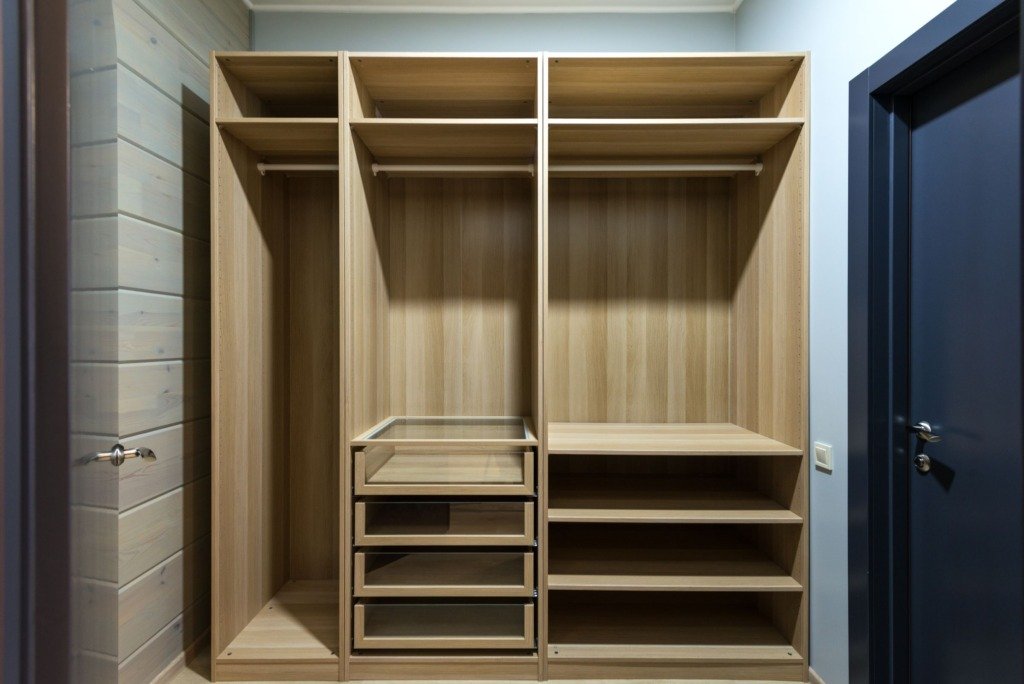
The inside is the part people undervalue. Hanging heights set against the actual proportion of long and short garments, drawer depths that suit folded clothes, a dedicated shoe zone and a top shelf for luggage: all of that is specified rather than inherited. A freestanding unit gives you somebody else’s assumptions about how you dress.
Where Freestanding Wins
Flexibility, and the cost of changing your mind
A freestanding wardrobe moves with you, moves to another wall, or leaves entirely if the room changes use. Fitted joinery is a permanent decision in a specific position, and if the bed later wants to go on that wall, the wardrobe cannot be persuaded. In a home you expect to reconfigure, that matters.
Rentals and short stays
In a rented apartment, or one you expect to leave within a few years, fitted joinery is money left behind. The exception is where a landlord will contribute, but absent that, good freestanding pieces are the rational choice and the resale value stays with you rather than with the wall.
Speed and certainty
A freestanding wardrobe is available now at a known price. Fitted joinery is a survey, a drawing, a fabrication period of several weeks and an installation day, and it carries the usual risks of bespoke work. Where a room has to be usable quickly, that timeline is a real consideration.
The Walls Decide More Than You Expect
Out of square rooms cost money in fitted work
Fitted joinery has to absorb whatever the building gives it, and in many apartments the walls are not plumb, the floor is not level and the corners are not square. A good joiner handles that with scribing and filler panels, and that work is part of why fitted costs what it does. A survey before quoting is not optional.
Watch what is inside the wall
Fixing a full height run means fixing into the wall, which means knowing where the electrical chases and any plumbing run. This is the argument for deciding wardrobe positions during the technical drawing stage rather than after first fix, when the cables are already somewhere inconvenient.
Ceiling height and the gap question
Where fitted runs stop short of the ceiling, the gap becomes a dust shelf and the unit reads as furniture anyway, losing the main visual advantage. Either take it to the ceiling or accept that a freestanding piece would have achieved much the same thing for less.
Doors, Which Are a Bigger Decision Than the Box
Hinged doors need room to open
A hinged door is the cheapest, the most reliable and the one that gives full access to the opening, and it needs clear floor in front of it. In a bedroom where the bed sits close to the wardrobe run, that clearance may simply not exist, and that single measurement often decides the door type on its own.
Sliding doors save space and cost access
Sliders need no clearance, which is why they suit tight rooms, and they mean you can only ever see half the wardrobe at once. The track quality is what separates a slider that still runs smoothly in five years from one that jams, so this is not a place to economise. They also lose some internal depth to the track.
Handleless and push to open
A flush, handleless front gives the quietest possible result and depends on good alignment to look right, which again comes back to the quality of the survey and the installation. It is the most forgiving choice visually and the least forgiving of sloppy fitting.
- Measure the clear floor in front of the run before choosing door type
- Take fitted joinery to the ceiling or do not bother
- Specify hanging heights against your own clothes, not a standard
- Decide wardrobe positions before electrical first fix
- In a rental, choose freestanding unless the landlord contributes
- Budget for a survey before accepting any fitted quote
Fitted wardrobes are not a luxury version of freestanding. They are a different trade off: more storage, less freedom.
Cost, Honestly
Where the money goes in fitted work
The carcass material, the door finish and the internal fittings are the three variables, and the internals are where cost escalates quietly. Soft close drawers, pull out rails and integrated lighting each add up. A plain fitted run with excellent internals usually serves better than an elaborate front with a basic inside.
Freestanding is not automatically cheaper
A well made freestanding wardrobe in solid materials can cost as much as a modest fitted run, and a cheap one will sag, swell and stop closing properly within a few years. The genuine saving in freestanding is flexibility and speed rather than price, and comparing a quality fitted quote to the cheapest freestanding option is not a comparison.
What adds value if you sell
Good fitted storage in bedrooms is one of the few interior investments that buyers in New Cairo notice and price in, because storage is the common complaint in developer apartments. See Interior Design and Resale Value in New Cairo for how this sits against other spending.
Choosing Between Them for a Specific Room
The master bedroom usually wants fitted
It is the room with the most to store, the one you keep longest, and the one where the flush face does most for the calm of the room. If only one room gets fitted joinery, this is it.
Children’s rooms want adjustability
What a child stores changes completely over ten years, so the priority is adjustable shelf heights and convertible drawers rather than a permanent configuration. Either fitted with full adjustability or good modular freestanding works; a fixed fitted interior designed for a six year old does not.
Guest and spare rooms rarely justify it
A room used occasionally does not need maximum storage, and the flexibility to turn it into an office or a nursery later is worth more than the extra volume. Residential Interiors will usually advise freestanding here, and Villa Basement Spa & Pool shows where bespoke joinery genuinely earned its place.
A hybrid is usually the honest answer
Framing this as a single decision for the whole home is what makes it difficult. In practice most apartments are best served by fitted joinery in the master bedroom, where the storage demand is highest and the stay is longest, and good freestanding pieces everywhere else. That split puts the money where it returns most, keeps the secondary rooms flexible for a change of use, and avoids the situation where a whole home has been committed to a configuration that suited the household in its first year. It also spreads the cost, which matters if the project is being phased: the master can be done at handover and a second room a year later without anything looking unfinished in the meantime. If you are weighing this against other spending, the fitted run in the main bedroom is almost always the item to protect and the guest room joinery is the first thing to drop.
Measure the clear floor in front of the wall before anything else. That single dimension decides hinged or sliding, and door type shapes every other decision about the wardrobe.
Common Questions
Are fitted wardrobes worth it in an apartment I might sell?
In the master bedroom usually yes, because storage is a common shortfall in developer apartments and buyers notice it. In secondary bedrooms the case is much weaker, and freestanding keeps the value with you.
How long does fitted joinery take?
Allow a survey, a drawing approval, then several weeks of fabrication and a day or two to install. It is not a quick fix for a room you need usable next week, which is a frequent and avoidable source of disappointment.
Can fitted wardrobes be removed later?
They can be taken out, but they are fixed into the wall and will leave fixings, paint damage and often a different floor condition beneath them. Treat the decision as permanent for planning purposes.
What internal layout actually works?
Count your long hanging garments, your short hanging garments and your folded items, then allocate against those real numbers rather than a standard split. Most people need less long hanging and more drawer space than a default configuration provides.
Free guide
Choosing Materials That Last in a Cairo Home
Leave your details and we will email you the guide on this subject straight away.
One guide, no repeat mailings.
Your guide is on its way
Check your inbox in a few minutes. If it is not there, look in your spam folder.