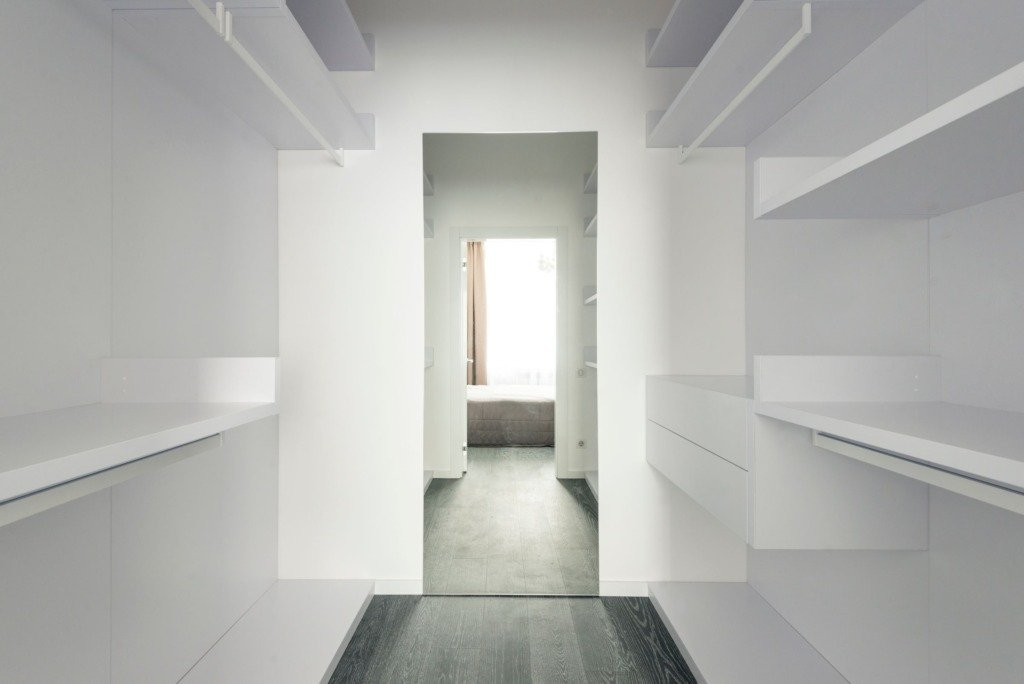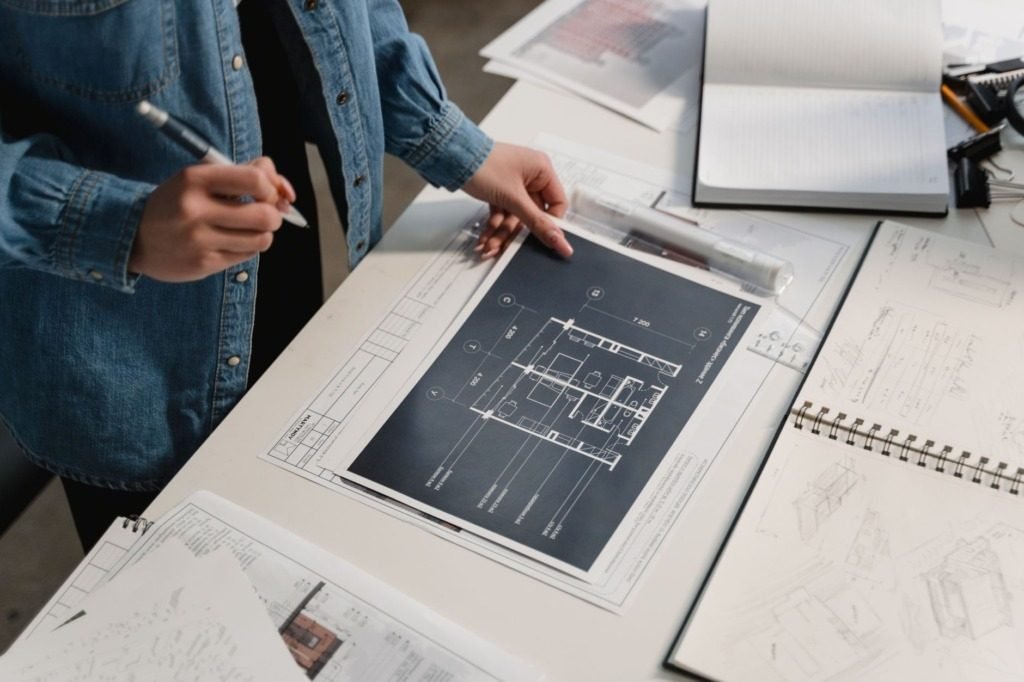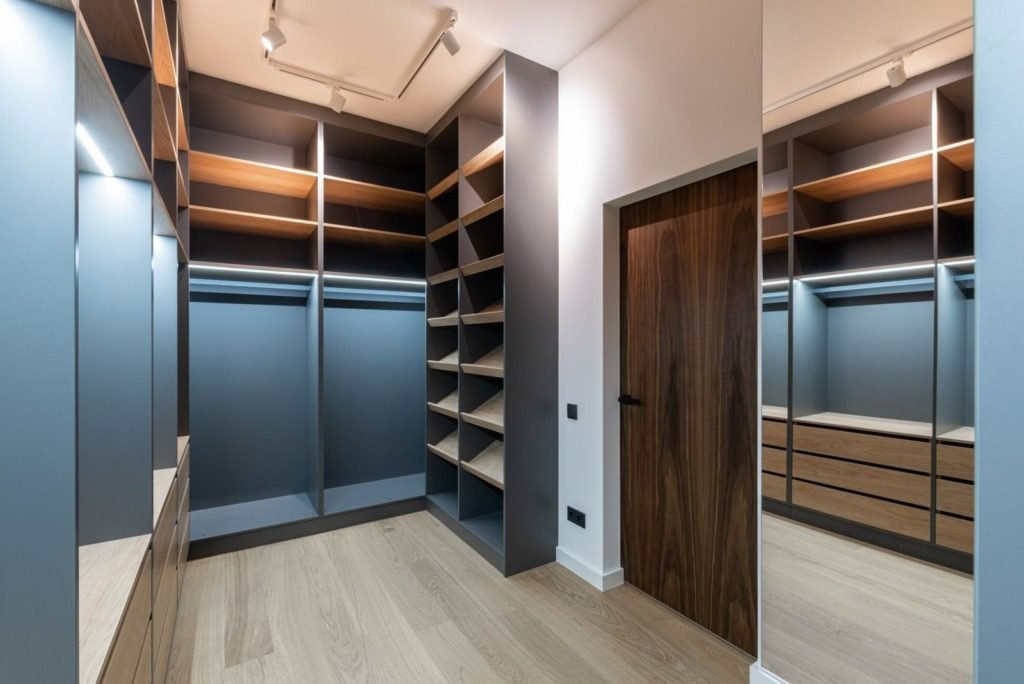
The most common hesitation about hiring a designer who is not physically in the UAE is a fair one: how does anyone specify a home correctly without walking through it? The honest answer is that most of a design project was never actually done in person to begin with, even when the designer lives in the same city.
What a Site Visit Actually Replaces
A local designer’s site visit produces measurements, photographs and a sense of light and orientation. All three transfer perfectly well through a measured survey, a video walkthrough and a short conversation about which direction each window faces. What a remote process cannot replace is being physically present for the final punch-list walk, which is exactly why that step stays with a trusted contractor or a family member on the ground.
How the Process Actually Runs
- Brief and budget conversation over video call, covering rooms, priorities and style references
- Measured survey, either self-recorded on video or done by a local surveyor and shared as files
- Full drawing package: layout, elevations, lighting plan and material specification
- 3D visualisation of every major room before anything is ordered
- Contractor handover: the same technical drawings a site-based designer would produce, sent directly to your team in Dubai, Abu Dhabi or elsewhere in the UAE
Where This Works Best
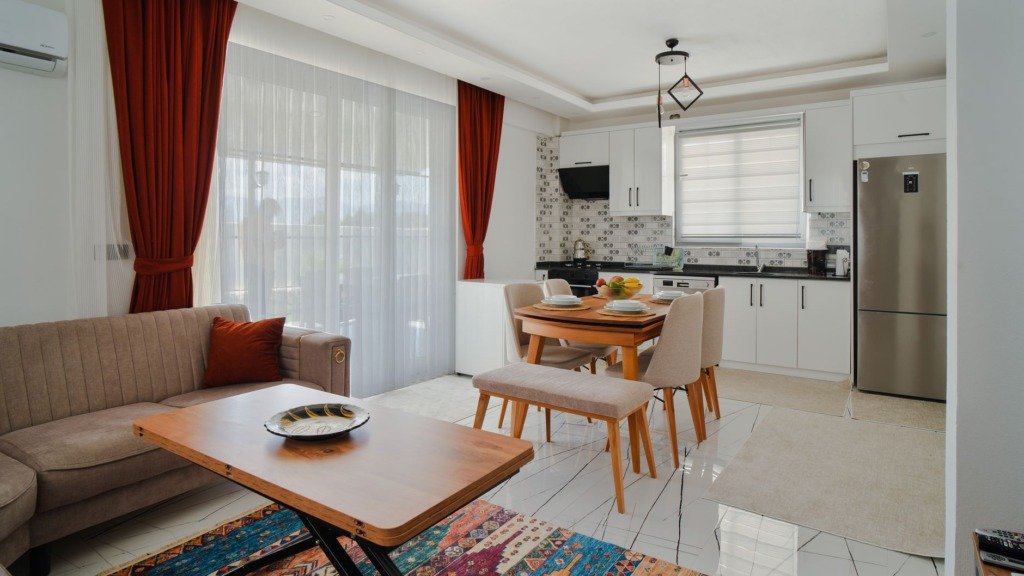
Full villa and apartment interiors, majlis and reception design, and furniture and joinery specification all travel well as a remote process because the deliverable is a set of drawings and decisions, not a physical presence. Day-to-day site supervision on a complex renovation is better handled by pairing the remote design package with a contractor you trust for execution.
The drawings a contractor receives look identical whether the designer flew in for a site visit or joined it by video.
Communication, in Practice
Weekly video updates, a shared folder of drawings and 3D renders, and WhatsApp for quick material approvals cover almost everything that comes up mid-project. The time difference between Cairo and the UAE is small enough that same-day answers are the norm.
What to Have Ready Before the First Call
A remote engagement moves faster when the client arrives with a few basics prepared: rough dimensions or a floor plan if one exists, photographs of the space from several angles, and a short list of what is working and what is not about the current layout. None of this needs to be professionally produced; phone photos and a hand-sketched dimension or two are enough to start a meaningful first conversation.
Payment and contract terms for a cross-border engagement are worth confirming early too: currency, bank transfer versus other payment methods, and which country’s terms govern the agreement. None of this is unusual for a remote service relationship, but naming it upfront avoids a conversation that otherwise gets left until the first invoice is due.
Planning the Project in the Right Order
A remote project runs best when decisions are taken in a fixed sequence, because every later step depends on the one before it.
Layout before anything else
Room use, circulation and furniture positions are settled first, since lighting, joinery and electrical points all follow the layout. Changing a layout after the lighting plan is drawn means redrawing both, so this is the stage worth taking slowly.
Materials after the drawings
Finishes are chosen once the drawings show where each surface sits and how it is lit. A stone or timber that looks right in a sample can read very differently under warm evening light, so the specification names the finish, the supplier reference and the lighting it was judged under.
Furniture and decor last
Furniture is ordered only when the layout is fixed and the joinery is drawn. Buying a sofa first and fitting the room around it is the most common reason a project drifts from its brief.
Working With Your Contractor and Suppliers in the UAE
The contractor is the studio partner on the ground, so that relationship is set up early.
Choosing who builds
You can bring your own contractor, or ask the studio to recommend teams used to building from detailed drawings. Either works, as long as the contractor has seen the drawing package before agreeing a price and a programme.
Approvals through photographs and samples
The contractor or a family member collects material samples and photographs them in the space, in daylight and under the installed lighting. The studio confirms or corrects the choice from those photographs, and nothing is ordered until it is approved in writing.
Site checks that stay local
- Checking that walls, floors and openings match the drawn dimensions before joinery is made
- Receiving deliveries and checking them against the order
- Confirming that electrical points sit where the lighting plan shows them
- Walking the final punch list with the contractor
What Changes the Brief on a Remote Project
Villa or apartment
A villa usually brings more rooms, outdoor areas and joinery, so the drawing package is larger and the review rounds are more numerous. An apartment is tighter, and attention goes to storage, light and making a compact plan feel generous.
Occupied or empty property
If the family is living in the home, the plan has to allow for phasing and for protecting rooms still in use. An empty property allows the work to run in a single sequence.
Owners who will not visit until handover
Some clients first see the finished home on handover day. For them the studio adds extra visual checkpoints, so that the finished result matches what they approved on screen.
How to Review Drawings and Renders Well
Reviewing from a screen is a skill, and a few simple habits make it easier.
- Read the layout first and walk through it room by room, imagining an ordinary day
- Check that every switch, socket and light point is where you would actually reach for it
- Judge renders for mood and proportion rather than exact colour, since screens differ
- Write your comments as a numbered list so each one can be answered and tracked
Collecting feedback into a single round is far more efficient than comments arriving one at a time, because the designer can then check how each change affects the rest of the plan before drawings are reissued.
Keeping Momentum Between Decisions
Most delays on a remote project come from waiting for a decision, not from the design itself. A short list of open decisions, shared after each call with the name of whoever owns each one, keeps the project moving.
It also helps to agree early who can approve on your behalf if you are travelling, so a supplier or the contractor is never left waiting for an answer that only one person can give.
Approvals given in writing, with the drawing version named, leave no doubt later about what was agreed.
Frequently Asked Questions
Do I need to visit the UAE during the project?
No visit is required for the design stage. Many clients choose to see the finished home at handover, and a family member or trusted contractor can cover site checks along the way.
Who takes the measurements?
Either you record a measured video walkthrough yourself or a local surveyor measures and shares the files. The studio tells you which dimensions matter most.
Can the studio work with my existing contractor?
Yes. The studio issues the drawings your contractor needs and coordinates with them directly.
How are changes handled once drawings are issued?
Changes are raised in writing, checked against the layout, lighting and joinery, and reissued as updated drawings so that everyone builds from the same version.
Does the process differ between Dubai and Abu Dhabi?
The method is the same everywhere. Building rules and approvals vary by property and community, so your contractor or building management confirms them and the studio draws to suit.
Ask any remote designer for a sample drawing package before committing. If the documentation is thorough enough for a contractor to build from without a daily phone call, distance is not the risk it feels like at the start.
A studio trained in Italy and shaped by more than a decade of showroom, retail and residential work brings the same drawing discipline to a Dubai villa as to a Cairo one: nothing goes to a contractor without dimensions, materials and lighting circuits already specified, which is what actually makes distance a non-issue in practice.

Free guide
Working With an Interior Designer From the UAE: What to Expect
Leave your details and we will email you the guide on this subject straight away.
One guide, no repeat mailings.
Your guide is on its way
Check your inbox in a few minutes. If it is not there, look in your spam folder.