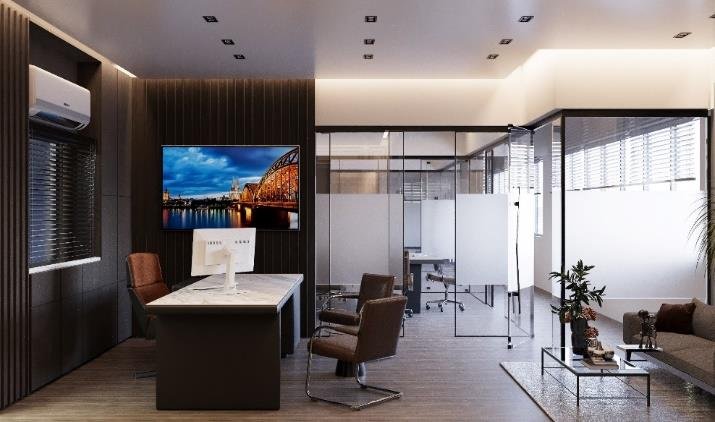
Taj City sits close enough to the airport road that a meaningful share of its owners buy with rental income in mind rather than moving in themselves, and that single fact changes the design brief before a single finish is chosen. A home designed to be lived in rewards personal choices that might not suit anyone else. A home designed to be let needs to appeal broadly, wear well between tenants, and photograph convincingly for a listing.
Two Taj City briefs, priced differently
A personal residence brief follows the household’s own taste and habits. A rental-ready brief prioritises durable finishes, a neutral but photogenic palette, and furniture chosen for resilience as much as looks. Neither is more expensive by default, but pricing one as if it were the other usually produces a home that does not do its actual job well.
What actually changes the fee here
- Personal use or rental intent, since the two briefs prioritise different things even at similar budgets
- Villa or apartment type, which changes the footprint and the number of rooms needing a coherent scheme
- Durability requirements, since a rental brief needs finishes and furniture that survive turnover better than a personal home needs to
- Photography and presentation, since a rental listing depends on how the finished space reads in photographs, which is itself a design consideration
Reading a Taj City quote properly
State plainly whether the home is for personal use or for rental before requesting a quote. A studio that does not ask this question first has not fully scoped the brief.
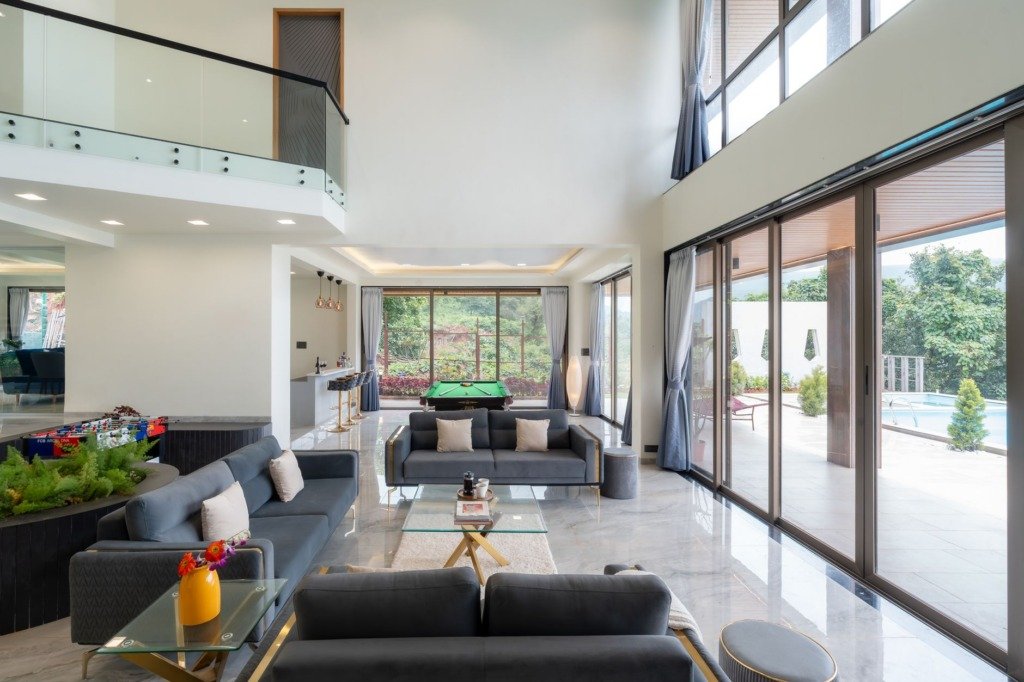
A home designed to be loved by one family and a home designed to be liked by many tenants are not the same project, even at the same address.
Where the fee is worth it
For a rental-intent home, the fee is largely paying for durability and broad appeal decided at the drawing stage, which is considerably cheaper than replacing worn finishes after two tenancies.
Designing for personal use
Let the household habits lead
A home lived in by its owners should be shaped around daily routines. Note where the family eats, works, relaxes and keeps its belongings, and plan the rooms around those habits. The result feels easy to live in because it was drawn for specific people rather than for a general idea of a household.
Spend where daily life touches the home
Seating, beds, kitchen surfaces and lighting are used every day, so they reward careful choices. Decorative extras can often wait. Putting the budget into what is handled and sat on, rather than only what is looked at, tends to make a home feel better for longer.
Leave room for personal pieces
A personal home can carry artwork, collected objects and furniture with a story. A good scheme leaves clear walls, shelves and corners for these things so the home can grow with its owners instead of being complete on the day it is photographed.
Designing for rental
A neutral palette that still photographs well
Neutral does not have to mean flat. Warm whites, soft stone tones and natural timber give broad appeal while still looking considered on a listing. A single well chosen accent, such as a textured throw or a good lamp, adds warmth without narrowing the audience.
Durable finishes and furniture
Rental use means more people, more movement and more wear. Hard wearing flooring, wipeable surfaces and upholstery that cleans easily protect the home between tenants. Choosing these at the drawing stage costs less than replacing tired finishes later.
Decide between furnished and unfurnished early
Whether the home is let furnished changes the brief considerably. A furnished let needs a complete scheme that holds together, while an unfurnished one puts more weight on finishes, lighting and storage. Settle this before the design starts so the fee and the plan match the intention.
When the plan is mixed or may change
Decide the order of use
Some owners rent the home first and move in later, or the other way round. Say so at the start. A scheme that works for tenants today and still feels right for the family later asks for different choices than one designed for a single purpose.
Keep fixed elements neutral and movable ones personal
Flooring, joinery and wall finishes are expensive to change, so keep them calm and durable. Cushions, art, rugs and lamps can carry personality and can be swapped when the use of the home changes.
Plan storage for what stays behind
Owners who let a home often want to keep some belongings in it. A lockable cupboard or a separate storage area keeps those items out of the way and makes handovers between tenants simpler for everyone involved.
Comparing quotes and planning the work
Give every studio the same brief
Quotes can only be compared when they respond to the same brief. State the intended use, the unit type, whether it will be furnished and how much durability matters. Differences in price then reflect differences in approach rather than differences in assumptions.
Ask how durability is specified
A rental brief should name the flooring, surfaces and fabrics being proposed and why they suit repeated use. If a quote only talks about style, durability has probably not been considered in detail.
Ask how presentation is handled
If the home will be advertised, ask whether the studio plans the finished space with photography in mind, including light, styling and the angles from which rooms will be shown. This is part of the design, not an extra.
What to prepare and what to expect
Prepare the unit information
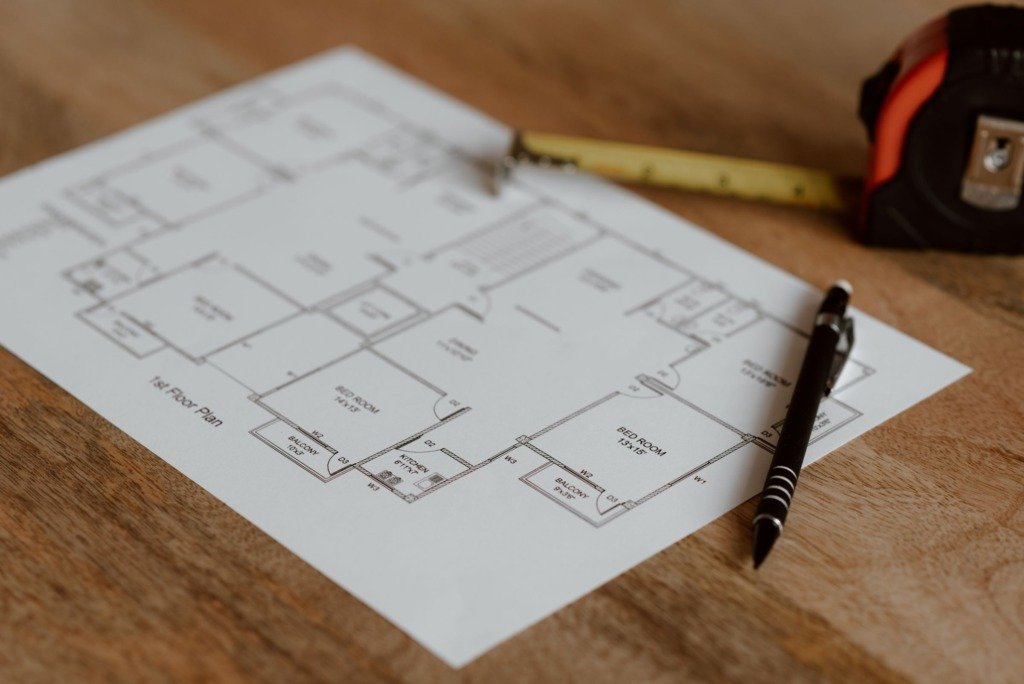
Bring the floor plan, photographs and a note of whether the home is a villa or an apartment. Mention any finishes already installed. This lets the studio judge the number of rooms needing a coherent scheme and scope the fee honestly.
Think about who the home is for
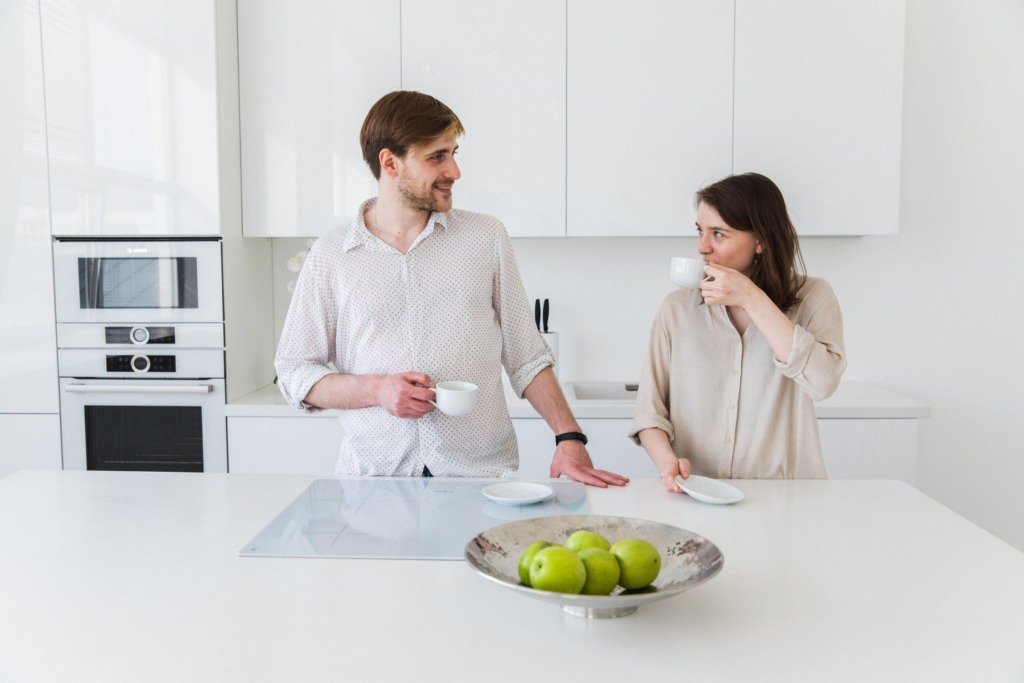
Describe the kind of household you expect to live there, whether that is you or a future tenant. The more clearly the user is imagined, the easier it is to choose layouts, storage and finishes that suit them.
Allow for lead times
Furniture, lighting and made to measure items often take longer to arrive than expected. Ordering them in line with the programme helps the home be ready when it is needed, whether for the family or for a first viewing.
Frequently Asked Questions
Does a rental home need a different design from a personal one?
Usually yes. A rental home prioritises durability, broad appeal and presentation, while a personal home follows the taste and habits of the household.
Is a neutral palette always the right choice for a rental?
Neutral colours suit most tenants, but they work best with texture and warmth. A neutral scheme with no character can look flat in photographs.
Should I decide on furnished or unfurnished before asking for a quote?
Yes. It changes the scope of the work, so stating it up front helps the quote reflect what you actually want.
What if I may move in later after renting the home?
Tell the studio at the start. Fixed elements can be kept neutral and durable, while personal touches are added later through pieces that are easy to change.
How do I compare two quotes for the same home?
Give both studios the same written brief, then compare what each stage delivers and how durability and presentation are covered, not just the final figure.
Decide and state whether the brief is for personal use or for rental before requesting a quote. That single distinction changes what the fee should actually buy.
Consultation is a sensible way to scope either brief properly from the start, and Taj City Villa Project shows how the same thinking played out in a finished Taj City villa. Interior Designer Cost in New Cairo: What Shapes the Fee in 2026 covers the fee picture for New Cairo more broadly.

Free guide
What Interior Design Really Costs in New Cairo
Leave your details and we will email you the guide on this subject straight away.
One guide, no repeat mailings.
Your guide is on its way
Check your inbox in a few minutes. If it is not there, look in your spam folder.