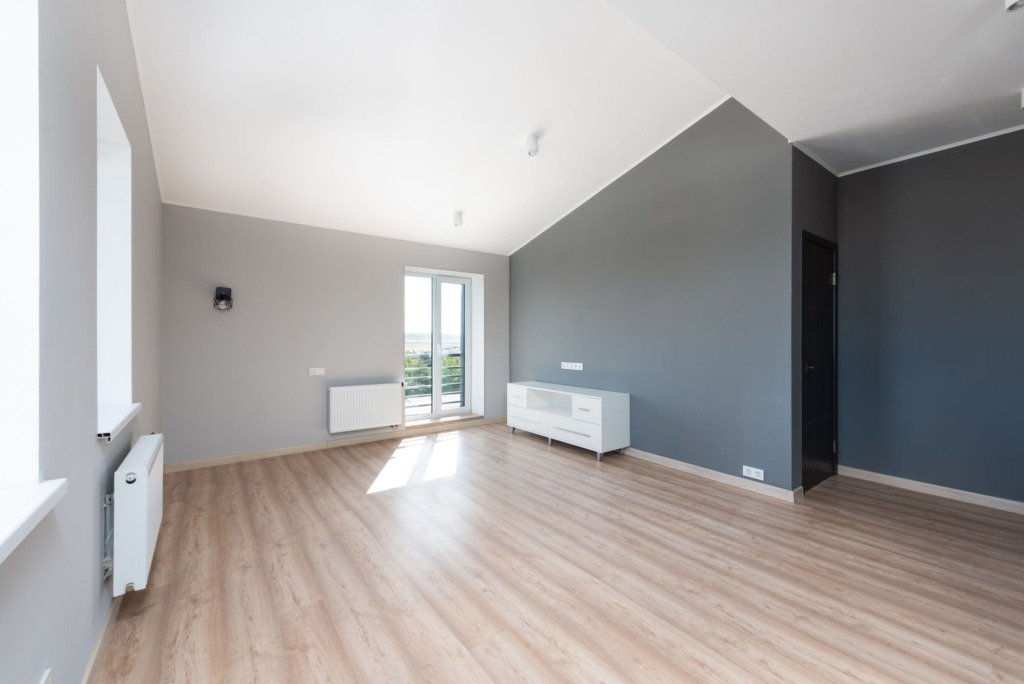
City Gate is one of the newer names on the New Cairo map, and that newness is itself a cost factor most owners do not expect. There is no decade of finished neighbours to walk through for reference, no informal network of residents comparing notes on what their fit-out actually cost. The fee conversation starts from a blanker page than it would in an older, more established compound.
Why a newer address prices differently
In an established compound, a designer can often point to three or four finished homes nearby with a similar brief. In City Gate, that comparison set is still thin, which means more of the early conversation goes into establishing a realistic budget from first principles rather than benchmarking against a neighbour’s project.
What actually changes the fee here
- Unit type, since City Gate carries both apartments and villas, and the two are simply different scopes of work
- Handover condition, because a newer compound usually means a newer handover standard, and confirming exactly what that includes matters more than assuming
- Absence of local benchmarks, which means more time spent early on setting expectations properly rather than comparing three ready-made quotes
- Access and delivery logistics, since a newer compound is often still finishing infrastructure in parts, which can affect delivery windows for materials and furniture

Reading a City Gate quote properly
Ask what the quote assumes about handover condition specifically, in writing, rather than taking a verbal description at face value. In a newer compound this single detail is the one most likely to be assumed differently by two different studios.
In a compound without a track record yet, the quote itself has to do more of the explaining.
Where the fee is worth it
The fee here is largely paying for realistic expectation-setting from the very first conversation, since there is little precedent nearby to correct a wrong assumption before it becomes an expensive one.
Starting From a Blank Page
Building a budget from first principles
Without close neighbours to measure against, the budget is built from the brief itself. The studio lists what the home needs, ranks it by importance and then shapes the scope to fit, so the number you settle on rests on your own priorities rather than on a guess.
Deciding what matters most
Every home has a few rooms that carry the daily routine and a few that are used less often. Naming the first group early lets the budget be spent where the family will notice it every day.
Apartment or Villa: Two Different Briefs
Planning an apartment
An apartment is mostly about using a defined footprint well. Storage, joinery, lighting and the flow between rooms carry most of the design effort, and small decisions about door positions or built in cupboards make a visible difference.
Planning a villa
A villa adds circulation between floors, outdoor areas and a larger number of rooms to coordinate. The design has to hold together across all of them, which is why the scope, the order of work and the supervision needs are different from an apartment.
Handover Condition and What to Check
Confirm the starting point in writing
Handover condition decides how much work is needed before design can even begin. Ask for a written description of what the unit includes at handover, covering walls, floors, electrical and plumbing points, and compare that with what your plans assume.
Record the unit before work begins
Photographs and measured drawings of the unit as received give everyone the same reference. They also help when a question arises later about what was changed and what was already there.
Sequence the first steps
Measurements, service positions and any adjustments to the shell come first. Only after those are agreed do finishes, furniture and decorative choices make sense, because they depend on the decisions that came before.
Planning Order for a New Unit
A newly handed over unit gives a clean start, but only if the decisions are taken in a sensible order. The sequence below keeps the early choices from being undone by the later ones.
- Confirm handover condition and measure the unit
- Agree the layout and any changes to walls or openings
- Settle the lighting plan, electrical points and joinery
- Choose finishes, flooring and wall treatments
- Order furniture and curtains, then style the finished rooms
Following this order matters more in a compound that is still developing, because there is less chance to correct a wrong assumption cheaply once work has started on site.
Delivery and Access Planning
Delivery windows
Where parts of a compound are still being completed, access for large vehicles and lifts may be limited. Check how deliveries are arranged early, and plan bulky items such as sofas, wardrobes and stone so that they arrive when the unit is ready to receive them.
Lead times for made to measure items
Custom joinery, curtains and imported pieces take time to produce and ship, and the time varies with the supplier. Ordering them in step with the site programme avoids both idle pieces in storage and a site waiting on a missing item.
Protecting finished work
Once floors, walls and joinery are complete, they need protection from later trades and deliveries. Agreeing the order of work in advance keeps finished surfaces from being damaged by the next stage.
Comparing Quotes for a New Compound
- The handover condition each quote assumes, stated in writing
- Whether the scope is an apartment or a villa, and which rooms are included
- Whether supervision and site visits are inside the fee or charged separately
- Who arranges deliveries and access, and who is responsible if they are delayed
- What happens to the scope if the handover condition turns out to be different
When there are few local benchmarks, the written scope is the only reliable basis for comparison. Two quotes that look similar can describe very different amounts of work.
What to Prepare Before the First Conversation
- The handover documents or description of your unit
- Plans and measurements, even if they are only approximate
- Photographs of the unit as it stands today
- A short list of how the household lives and what must work from the first day
- Any dates you need to keep in mind, such as a planned move
You can arrive with an incomplete brief. The first consultation exists to turn a loose idea into a clear scope, and this matters most in a newer compound where little precedent exists to guide you.
Frequently Asked Questions
Why does a newer compound change the design process?
There are fewer finished homes to learn from, so more time goes into setting expectations and confirming conditions at the start.
Is an apartment simpler to design than a villa?
It is smaller, but not always simpler. Tight spaces demand careful planning, while a villa demands wider coordination.
What should I ask about handover condition?
Ask for a written list of what is included, then check it against your plans before a quote is accepted.
When should deliveries be planned?
Early. Bulky and made to measure items need access arranged in advance and should arrive only when the unit is ready.
Can I begin with a consultation?
Yes. It is a sensible way to get a grounded view of your own unit before committing to a full scope.
Ask exactly what handover condition the quote assumes, in writing. In a newer compound like City Gate, that is the detail two studios are most likely to read differently.
Consultation is a sensible way to get a grounded read on your own unit rather than guessing from a brochure, and Villa Basement Spa & Pool shows how the same approach plays out in a finished home. Interior Designer Cost in New Cairo: What Shapes the Fee in 2026 covers the fee picture for New Cairo as a whole.

Free guide
What Interior Design Really Costs in New Cairo
Leave your details and we will email you the guide on this subject straight away.
One guide, no repeat mailings.
Your guide is on its way
Check your inbox in a few minutes. If it is not there, look in your spam folder.