Sustainable interior design with Egyptian materials starts from a simple fact most clients don’t expect: sourcing locally isn’t a compromise on quality, it’s usually the higher-quality option, and it happens to cut the shipping footprint that imported stone, tile, and furniture all carry.
It’s a conversation Residential Interiors has with almost every client now, not as an upsell, but because Egypt genuinely produces some of the material categories clients assume they need to import.
Why Sourcing Locally Is Already a Sustainability Win
Every imported slab of stone, container of furniture, or roll of imported fabric carries a shipping and packaging footprint before it ever reaches a Cairo site. Choosing Egyptian marble over an imported equivalent, or a Damietta-made piece of furniture over a shipped one, removes that footprint entirely while usually also cutting lead time and cost. It also removes a lot of the uncertainty that comes with importing, since a container delayed in transit can hold up an entire finishing schedule in a way a local supplier rarely does.
Egyptian Stone Instead of Imported Alternatives
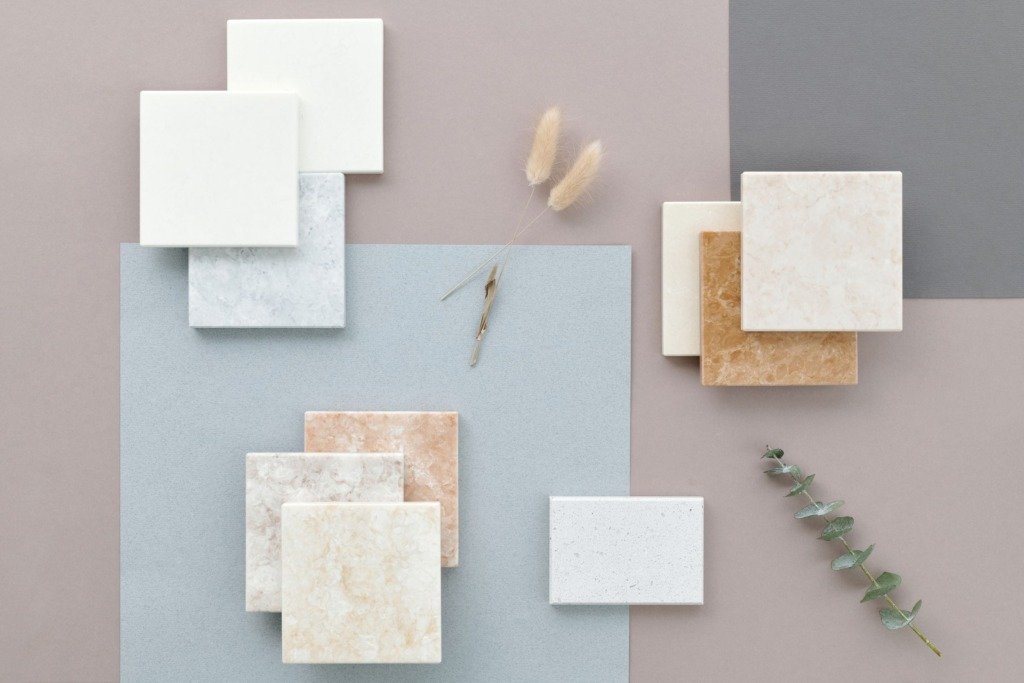
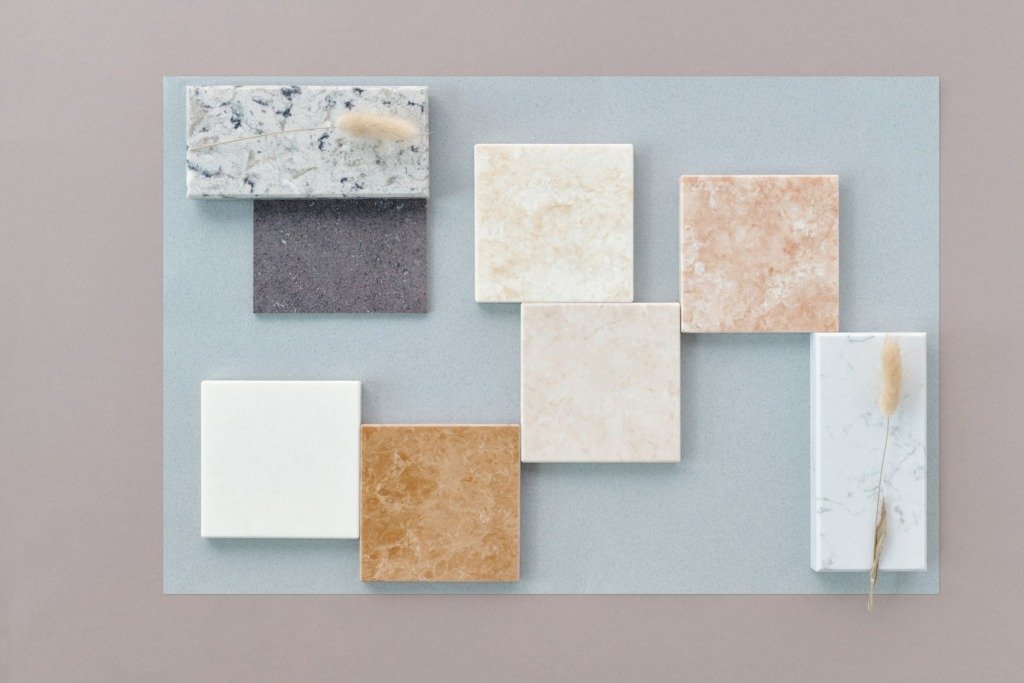
Egypt has some of the richest natural stone reserves in the region, and quarries producing marble, limestone, and granite within a few hours of Cairo can supply almost anything a project needs. Local stone also tends to suit the local light and palette better than an imported alternative chosen from a catalogue photo taken somewhere else entirely. Clients who assume imported Italian or Turkish marble is automatically the better choice are often surprised, once samples are side by side under Cairo’s own light, at how well domestic stone competes on both color and veining.
Wood and Wood-Alternative Choices
Solid imported hardwood is one of the heaviest-footprint materials in a typical renovation. Locally produced engineered wood, bamboo composites, and reclaimed or responsibly sourced options available through Egyptian suppliers give a similar look with a fraction of the shipping and forestry impact, and they’re often more climate-appropriate for Cairo’s humidity swings than solid imported wood in any case.
Low-VOC Finishes Available in the Egyptian Market
Paint and finish quality has improved enormously in the Egyptian market over the last several years, and low-VOC paints, adhesives, and sealants are now available locally without the premium or lead time of importing them. This matters most in bedrooms and children’s rooms, where off-gassing from conventional finishes lingers longest in a closed-up apartment.
For a deeper look at Egyptian marble specifically, including how to judge quality and where it’s quarried, Choosing Egyptian Marble for Your Home: A Practical Guide is worth reading alongside this, since stone is usually the single biggest sustainable-sourcing decision in any renovation.

Sustainable Interior Design With Egyptian Materials on a Real Budget
Sustainable interior design with Egyptian materials doesn’t have to mean a bigger budget, and in a lot of cases it means a smaller one, since local sourcing cuts out import duty, shipping, and the markup that comes with both. The premium clients expect rarely appears once local stone and finishes are compared fairly against imported equivalents rather than assumed to be inferior.
Clients come in expecting sustainable to mean expensive. In Cairo, sourcing locally is usually the cheaper option, not the sacrifice.
- Egyptian marble and limestone instead of imported stone slabs
- Locally produced low-VOC paints and adhesives
- LED and efficient fixtures sourced through local lighting suppliers
- Egyptian textile mills for upholstery and curtain fabric instead of imported rolls
Energy-Efficient Lighting That Doesn’t Look Institutional
LED lighting has dropped enough in price and improved enough in warmth and color rendering that there’s no longer a real trade-off between efficient lighting and lighting that feels good in a home. Specifying efficient fixtures throughout, paired with dimmers and layered lighting rather than one central fixture, cuts running cost without any of the cold, office-like quality efficient lighting used to carry.
Textiles and Local Craft
Egypt’s textile industry, built around some of the world’s best cotton, is a genuinely underused resource in residential interiors. Locally woven upholstery fabric, curtains, and rugs cut shipping impact the same way stone does, and they often outperform imported equivalents on durability in Cairo’s climate specifically. Working with local mills also opens up custom weaves and colorways at a scale most imported fabric houses won’t accommodate below a large minimum order.
Where to Start Without Overhauling the Whole Renovation
Starting a Sustainable Interior From the Brief
Sustainability works best as a habit of the whole project, not a list added at the end. The earlier it enters the brief, the more choices remain open and the fewer have to be undone.
Keep What Already Works
The most sustainable material is often the one already in the apartment. Solid joinery, good doors and sound flooring can be repaired, refinished or reorganised rather than removed, and the saving in waste is real.
Choose Fewer, Better Pieces
A home furnished with fewer pieces that are well made and well proportioned tends to need less replacing. Buying once and buying well is a quiet form of sustainability.
Designing With the Cairo Climate
Shade, Light and Colour
Curtains, shutters and sensible window treatments reduce glare and heat on the sunniest sides of the apartment. Lighter wall colours and matt surfaces make good use of daylight, so rooms feel bright without relying on artificial lighting for much of the time.
Air Movement and Comfort
Cross ventilation, ceiling fans and well placed air conditioning units help a home stay comfortable with less effort. Planning where air can flow while the layout is still on paper is far easier than correcting a stuffy room afterwards.
Questions to Ask Every Supplier
Words such as natural or eco friendly are easy to print and hard to check. Plain questions about where a material comes from and how it is made tell you much more than any label on a brochure.
- Where was this material produced and how did it reach the site
- What is it made of, and what does it need to stay in good condition
- Can it be repaired or refinished rather than replaced
- What happens to offcuts and packaging that arrive with it
Suppliers who answer plainly and let you see samples are usually the ones who understand what they sell.
Reducing Waste on Site
A renovation produces a great deal of waste, and much of it comes from changes of mind rather than from the work itself. Clear drawings and decisions made before ordering are the most effective way to reduce it.
Order What You Need
Accurate quantities, with a sensible allowance for cutting, mean fewer leftover boxes of tile and board. Keep a small spare stock of the main finishes for future repairs rather than ordering far beyond what the job requires.
Sort and Pass On
Ask the contractor to separate metal, wood and clean rubble on site. Fixtures, doors and furniture that are still in good condition can often be offered to someone else instead of being thrown away.
Frequently Asked Questions
Is sustainable design only for new builds?
No. Renovations offer many chances to keep, repair and reuse, and those choices often matter more than the materials you add.
Do I need to use only Egyptian materials?
No. Local materials are a strong starting point, but the best choice is the one that suits the room, lasts well and can be sourced responsibly.
How do I tell real claims from empty ones?
Ask plain questions about origin, composition and repair, and ask to see samples. Be cautious of general claims that cannot be explained simply.
Where is the best place to start?
Start with the biggest surfaces: floors, walls and lighting. Decisions there affect the most area and shape how the rest of the home is used.
You don’t need to redo an entire renovation to make it more sustainable. Start with the stone, the paint, and the lighting, since those three categories carry the biggest footprint and the easiest local alternatives.
Residential Interiors can build a sustainability-conscious material list into a project from the first meeting without inflating the budget, the same approach we used on Lotus Villa Renovation, where locally sourced stone and low-VOC finishes throughout came in under the cost of the imported alternatives originally quoted. If countertops are part of the plan, Choosing Kitchen Countertops for a Cairo Climate covers the local stone and surface options in more material-specific detail.

Free guide
Choosing Materials That Last in a Cairo Home
Leave your details and we will email you the guide on this subject straight away.
One guide, no repeat mailings.
Your guide is on its way
Check your inbox in a few minutes. If it is not there, look in your spam folder.