Prayer room design in a Cairo home is one of the few briefs where less furniture and simpler finishes genuinely make the room better, not just cheaper. A dedicated prayer room doesn’t need built-in storage, a feature wall, or layered lighting the way a living room does, it needs quiet, a comfortable floor, and enough natural light to feel calm rather than clinical. Getting those three things right matters more than any decorative choice layered on top.
We treat this as part of the core Residential Interiors process on every project, not an optional extra.
The location decision comes first, and it shapes everything else. A prayer room set beside a kitchen, a laundry area, or a shared wall with a noisy stairwell will always fight against its own purpose, no matter how well it’s finished. In an apartment in Nasr City or Maadi, a study nook off the main bedroom or a quiet corner away from the kitchen and living areas usually works better than converting whichever spare room happens to be free. In a villa in Sheikh Zayed or New Cairo, there’s often room to set the space apart entirely, sometimes with its own small entry off a hallway rather than opening directly from a bedroom.
Choosing the Right Location
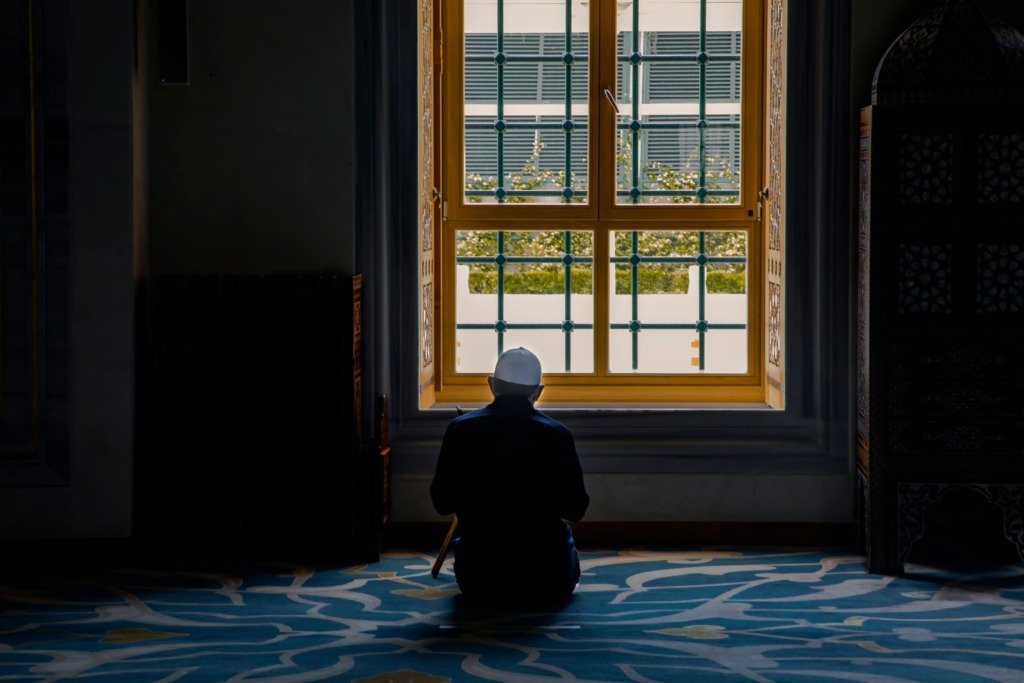
Distance from noise is the main criterion, but orientation toward a window matters too. A prayer room with even a small amount of natural daylight, a narrow window, a glazed door, a skylight in a villa, reads as calmer than a fully enclosed interior room lit only by a downlight. It doesn’t need direct sun; in fact, strong afternoon glare through an unshaded west-facing window works against the room’s purpose, and a diffused north or east-facing light source is usually the better pick in Cairo’s climate.
Size matters less than most people assume. A prayer room for a single person or couple can work well at two square metres, just enough floor space to lay out a prayer mat and stand comfortably. Families who pray together, particularly during Ramadan when the room sees more consistent use, benefit from a slightly larger footprint, closer to four or five square metres, so more than one person can use the space without feeling cramped.
Prayer Room Design in a Cairo Home: Getting the Basics Right
The fundamentals of prayer room design in a cairo home come down to floor, light, and quiet, in that order of priority. Flooring gets the most direct, repeated contact of any surface in the room, since it’s where a person sits, kneels, and prostrates, often daily. That makes comfort and cleanliness the two things worth spending on, even in a home where the rest of the finishes are kept simple.
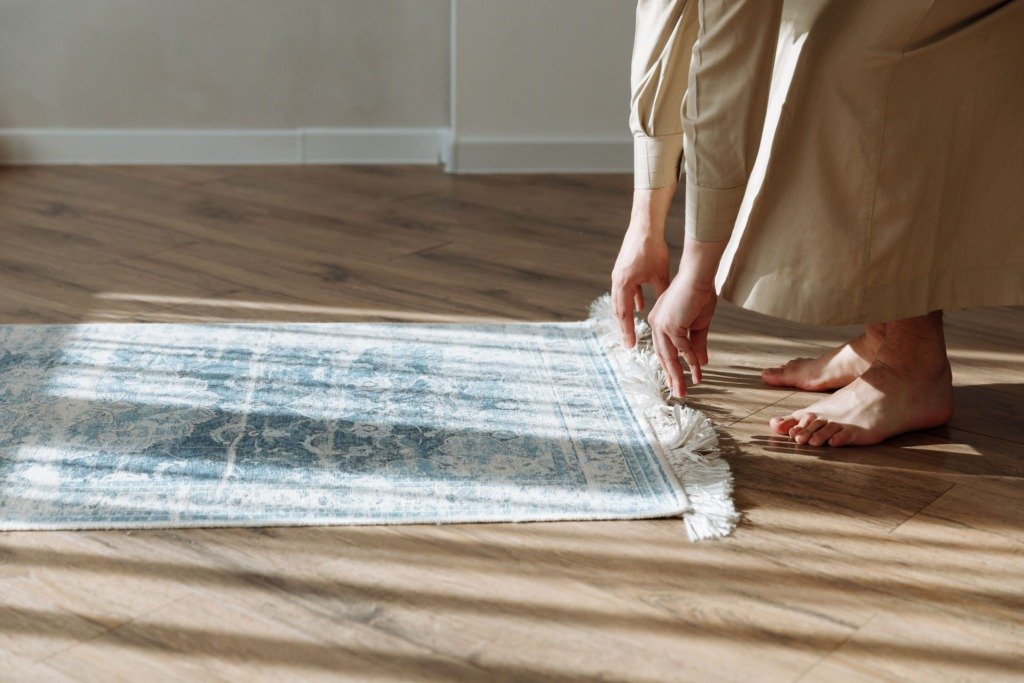
A soft, warm-toned rug or a dedicated prayer rug over a hard floor works well practically, but the base flooring underneath still matters, since it’s what gets cleaned regularly. Porcelain tile or sealed engineered wood both hold up to frequent light cleaning without staining or absorbing odour the way an untreated carpet can over years of use.
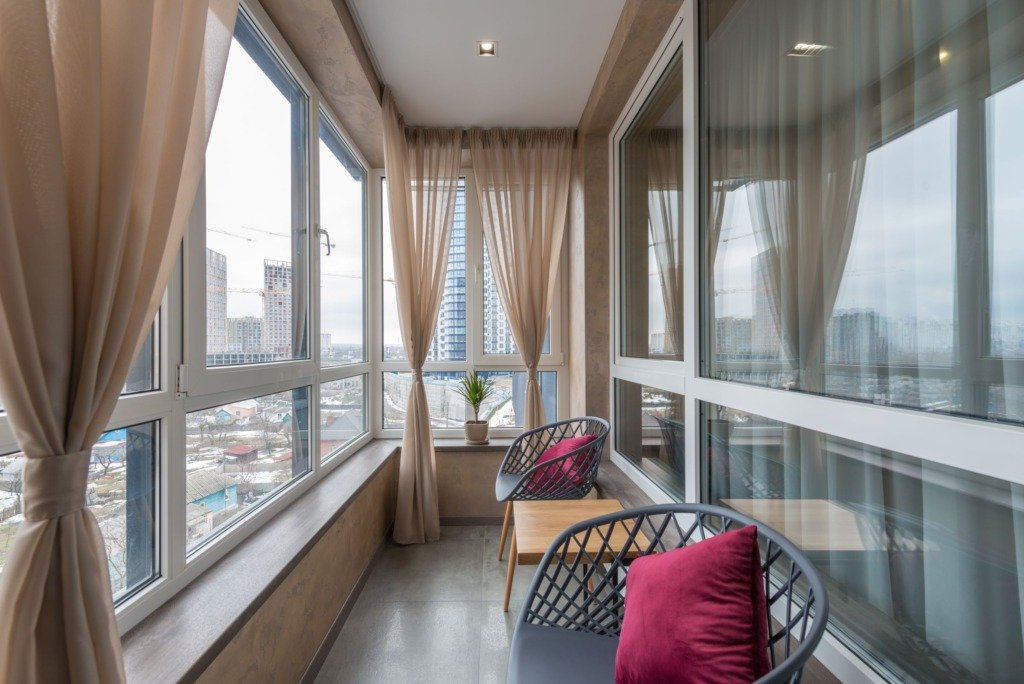
We go into a related topic in more depth in Glass Balcony Enclosures in Cairo: A Practical Guide, worth a read alongside this one.
Flooring That Feels Right Underfoot
Cold tile is the most common complaint about prayer rooms in Cairo apartments, particularly in ground-floor units or rooms without underfloor insulation. A rug or a low-pile, easy-to-wash carpet solves this directly, and if the room sees year-round use, a section of engineered wood flooring gives a warmer surface than porcelain without sacrificing durability.
Avoid thick, plush carpet in a room that gets used daily. It traps dust in a way that matters more in Cairo than in less arid climates, and it’s harder to keep genuinely clean between uses. A washable rug that can be shaken out or laundered periodically is the more practical long-term choice.
Keeping the Room Minimal
Furnishing should stay deliberately sparse: a small shelf or niche for a Quran and prayer beads, a hook or narrow cabinet for a prayer garment, and little else. Built-in storage that disappears into the wall, rather than a freestanding cabinet, keeps the floor area open and the room feeling larger than its actual footprint.
Wall colour should support the room’s purpose rather than compete with it. Soft, muted tones, pale sand, warm off-white, a gentle sage, tend to work better here than a bold accent wall, which can feel busy in a space meant for stillness.
Orientation as a Practical Design Input
Orientation toward the Kaaba is a real, factual input into how the room is laid out, since it determines which wall the prayer mat faces and, in turn, where a niche or shelf can sit without interrupting that sightline. A good architect or designer will confirm this early, before finalising the room’s layout, so the furniture and any built-in elements are planned around it rather than adjusted afterward.
A prayer room doesn’t need to impress anyone. It needs to be quiet, clean underfoot, and lit well enough to feel calm at five in the morning and again after dark.
- A rug or low-pile washable carpet over porcelain or sealed wood flooring
- A small built-in niche or shelf sized for a Quran and prayer beads
- A narrow window or diffused light source rather than direct afternoon sun
- A location away from the kitchen, laundry area, or a shared noisy wall
Keep a prayer room small, quiet, and simple: a comfortable floor, gentle natural light, minimal built-in storage, and a location chosen for silence rather than convenience. The room earns its calm from what’s left out as much as what’s put in.
This kind of quiet-room planning is something Residential Interiors builds into the floor plan early rather than retrofitting later, and Bedroom Concept Studies set its prayer room off a hallway specifically to keep it away from household noise. Flooring choices here follow the same logic used throughout a home, which is covered in more depth in Choosing Flooring for a New Cairo Apartment.

Free guide
Choosing Materials That Last in a Cairo Home
Leave your details and we will email you the guide on this subject straight away.
One guide, no repeat mailings.
Your guide is on its way
Check your inbox in a few minutes. If it is not there, look in your spam folder.