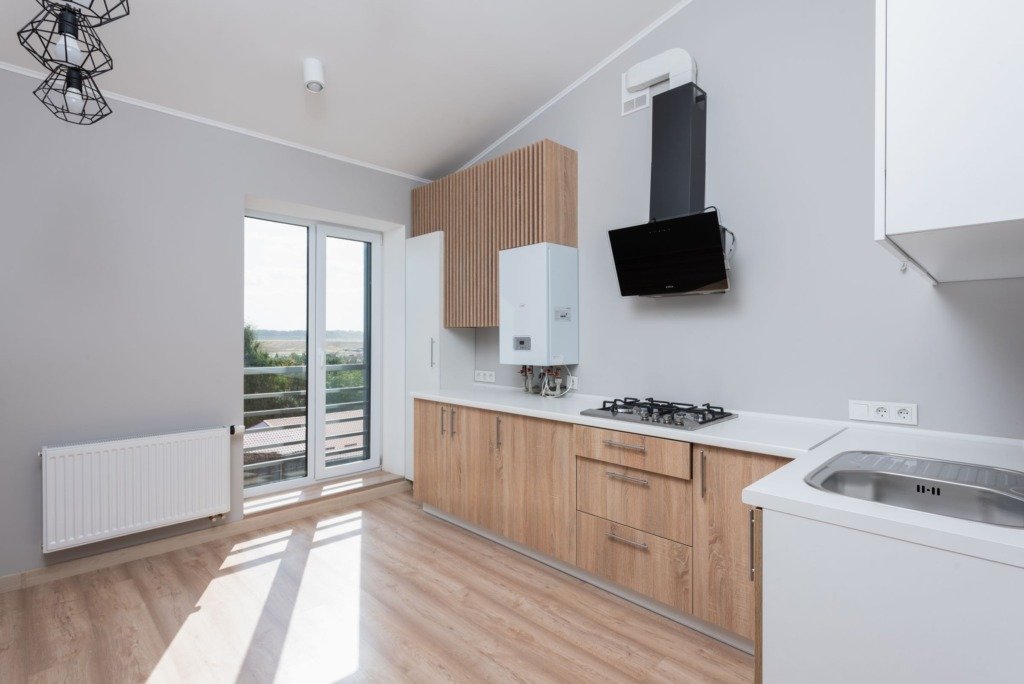
Layered lighting for a living room in Cairo is the difference between a room that feels considered in the evening and one that feels like a waiting area lit by a single ceiling fixture switched on at dusk. Most living rooms in New Cairo apartments are built with exactly one ceiling point wired in, which is where the trouble usually starts, since a single overhead source can never do the job of the three distinct layers a living room actually needs.
Getting this right is one of the reasons clients bring us in for Residential Interiors rather than handling it themselves.
Layered Lighting for a Living Room in Cairo: The Three Layers
Ambient, task and accent lighting each solve a different problem, and a room only feels finished once all three are working together rather than one source trying to do everything on its own. Understanding what each layer is for makes it much easier to know what to actually ask for when briefing an electrician or buying fixtures.
Ambient Lighting: The Base Layer
Ambient light fills the room evenly enough that you can move around safely and see general shapes and colours, and it usually comes from a central ceiling fixture, recessed downlights, or a combination of both spread across the room rather than concentrated in one spot. On its own, ambient light is flat and slightly clinical, which is exactly why a living room lit only by a central pendant or a ring of downlights tends to feel underwhelming no matter how nice the fixture itself is.
Task Lighting: For Actually Doing Something
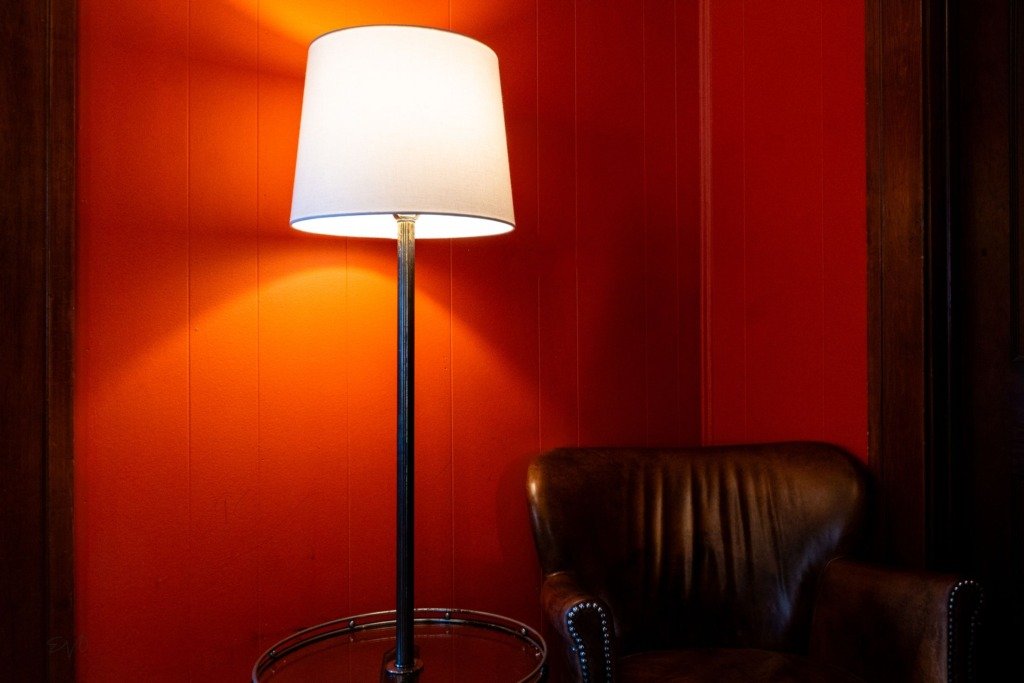
Task lighting serves a specific activity, reading, working on a laptop, playing a board game at a side table, and it needs to be brighter and more directional than ambient light in that one spot. A floor lamp beside a reading chair or a table lamp on a console doing double duty as task and accent light solves a problem ambient lighting alone never will, since general room light rarely reaches the right brightness exactly where a book or a screen actually is.
You will find a related discussion in Choosing a Chandelier for a Cairo Home, which covers similar ground from a different angle.
Accent Lighting: Where the Room Gets Its Character
Accent lighting highlights something specific, a piece of art, a bookshelf, an architectural detail like a niche or a textured wall, and it is usually the layer people notice without realising why a room feels well put together. A picture light, a directional spotlight, or even a simple uplighter behind a plant does more to make a living room feel designed than another bright overhead fixture ever could.
The Most Common Mistake: One Fixture Doing Everything
- Relying on a single central ceiling light and calling it done, which leaves the edges of the room dark and the whole space feeling flat
- Choosing lamps for their appearance in the shop without checking whether the bulb they take can actually deliver enough light for reading
- Forgetting dimmers, which are what let the same three layers work for a bright family gathering and a quiet evening alike
- Placing floor lamps and table lamps only where they look good in a photograph, not where anyone is actually going to sit and use them
Placing Switches and Circuits Before the Walls Are Finished
The single biggest reason living rooms end up lit by one overhead fixture is that the electrical plan was finalised before the furniture layout was, leaving no wiring anywhere near where a reading chair or console table eventually lands. Plan the socket and switch layout around where furniture will actually sit, not around the room’s geometry alone, and separate the ambient, task and accent circuits onto different switches or a single smart dimmer, so each layer can be turned on independently rather than as one all-or-nothing switch by the door. This single decision, made early with an electrician, is what makes a genuinely layered room possible later.
Choosing Fixtures That Suit Cairo Evenings
A living room used mostly after sunset, once the day’s heat has broken and family gathers for a few hours before bed, benefits from fixtures that dim comfortably low rather than staying at one bright setting. Warm-toned bulbs across all three layers keep the room feeling cohesive, and materials that soften light, fabric shades, frosted glass, matter more than the fixture’s shape once the sun goes down and every lamp in the room is doing real work rather than sitting decorative and unused during the bright hours of the day.
A living room lit only from the ceiling will always feel like an office no matter how good the furniture is.
Bulbs, Colour Temperature and Dimming
Keep the Colour of Light Consistent
Mixing cool white downlights with warm lamps makes a living room look patchy, because the eye reads every shift in tone as a mistake. Choose one warm colour temperature for all three layers and buy spare bulbs of the same type, so that a replacement years later still matches.
Check That Bulbs and Dimmers Work Together
Not every LED bulb dims smoothly on every dimmer. Flicker and buzzing usually come from a mismatch, so ask the electrician to confirm compatibility and test one fitting before the whole room is bought.
Planning Layers Room by Room
Start With a Furniture Plan
Draw the seating, the console and the bookshelf first, then mark where each light source should fall. Every reading spot needs a socket nearby, every artwork needs a way of being lit, and every dimmer needs a sensible place on the wall.
Think About Open Plan Spaces
When the living room runs into a dining area, give each zone its own switch so the two can be set separately. Lighting that changes with the activity helps an open space feel like two comfortable rooms rather than one large hall.
Use Daylight Wisely
A room that is bright by day can feel dark the moment the shutters close. Look at the room in the evening before deciding where extra light is needed, and remember that the darkest corners are usually the ones that benefit most.
Briefing an Electrician and Comparing Quotes
A clear brief saves time on site. Bring the furniture plan, a list of the fixtures you intend to use and a note of which lights should be on together. When quotes arrive, check that each one covers the same number of circuits, switches and fittings, since a lower quote often has fewer of them.
Frequently Asked Questions
Do I need all three layers in a small living room?
Yes, though they can be modest. One ceiling source, one lamp for reading and one small accent light already change how a small room feels after dark.
Are recessed downlights enough on their own?
They are a good ambient layer, but on their own they leave a room flat. Add lamps and at least one accent source to give it depth.
Is a smart lighting system worth it?
It can be, if you want saved scenes for different times of day. A simple set of dimmers on separate circuits achieves much of the same result with less to maintain.
Can I improve the lighting without opening the walls?
Yes. Plug-in lamps, rechargeable accent lights and dimmable bulbs help a finished room, although planned wiring always gives the cleaner result.
Build the room from three layers, not one: even light to move around in, focused light to actually do something by, and accent light that gives the room its character after dark.
Layering light this way is a core part of how Residential Interiors plans a living room from the very first walkthrough, and Villa Exterior Project built exactly this three-layer approach into a family living room that gets heavy evening use. For how the same room’s colours interact with its lighting, Choosing Paint Colours That Work With Cairo’s Light looks at the pairing from the wall-colour side.

Free guide
Choosing Materials That Last in a Cairo Home
Leave your details and we will email you the guide on this subject straight away.
One guide, no repeat mailings.
Your guide is on its way
Check your inbox in a few minutes. If it is not there, look in your spam folder.