Changing your mind during an interior design project is more normal than most people expect, and it is rarely the disaster it can feel like in the moment. What matters is when the change happens and how it is handled, not whether it happens at all.
This is exactly the kind of decision our Consultation team walks through with every Cairo client.
When a Change Costs Almost Nothing
- During the concept stage, before anything is drawn in detail
- Before an order has been placed with a supplier
- Before a material has been cut, cast or made to size
- While a decision is still genuinely open, rather than already actioned
Changes at this stage are simply part of the design process working as intended. A concept exists precisely to be tested and adjusted before anything becomes expensive or permanent.
When a Change Starts to Cost Something
Once an order is placed, a material is cut, or construction has started against a specific detail, a change of mind usually means undoing real, already-completed work, not just redrawing a plan. This is where the honest conversation about cost needs to happen immediately, rather than the change being made quietly and the cost discovered later.
The cost of changing your mind is not really about being indecisive. It is about which stage the decision reaches you at. The same change costs nothing on Monday and a great deal on Friday, depending only on what happened in between.
How to Change Direction Without Losing Everything
- Identify what can be kept from the current direction, rather than assuming a full restart is needed
- Ask the designer specifically what is already committed and what is still flexible
- Accept that some already-completed work may need to be absorbed as a cost of the change, rather than reversed for free
- Move quickly once the decision is made, since further delay only adds more committed work to unwind
Why Some Studios Charge for This, and Why That Is Fair
A design fee typically covers the design process, not unlimited redesign after decisions have been acted on. A studio that absorbs the cost of every late change either builds that risk into every client’s fee in advance, or loses money doing careful work. Neither is a better outcome for you than a clear, separate cost for a genuine late change.

If you are weighing this alongside other choices, our guide to How to Prepare Your Household for Living Through a Renovation is worth reading next.
Reducing How Often This Happens
Slow down at the decision point, not after it. Live with a sample, sit with a floor plan for a few days, ask every question before approving rather than after. Most late changes of mind are not really a change of taste, they are a decision that was approved before it was fully considered.
Changing Your Mind During an Interior Design Project: A Realistic Example
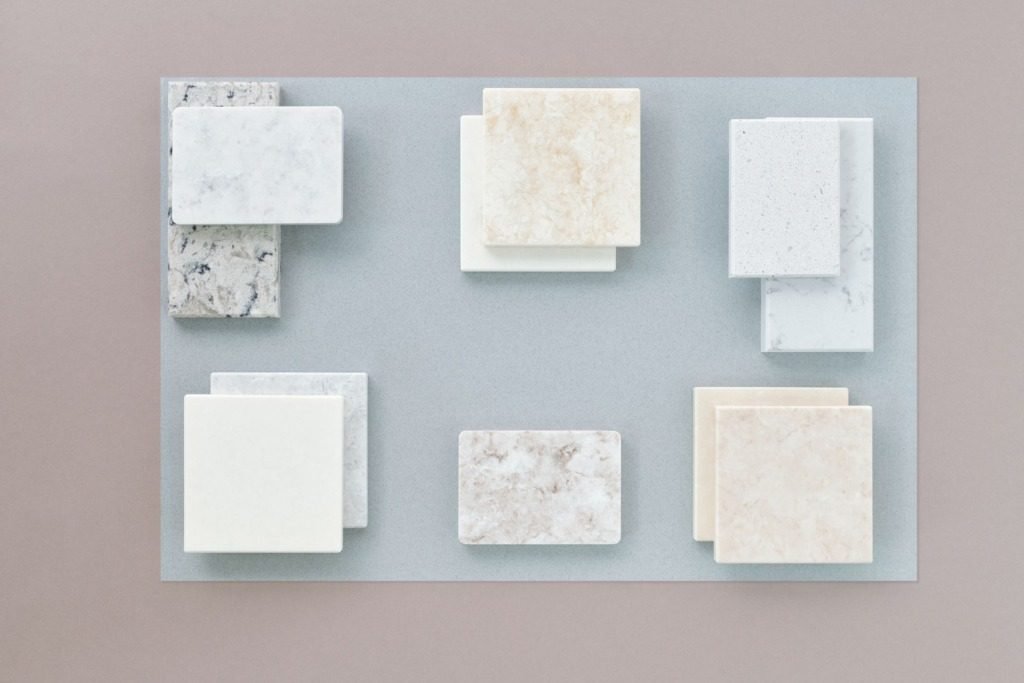
A client approves a stone worktop, it is ordered and fabrication begins, and two weeks later a different stone is preferred after seeing it in a friend’s kitchen. At this point the original stone is already cut to size. The realistic options are to proceed with the original, sell or repurpose it and order the new one at full extra cost, or accept a longer delay while the fabricator reworks the order if that is even possible. None of these is free, and knowing that in advance changes how the original decision gets made.
Documenting the Change
Once a change is agreed, get the new decision, its cost and its effect on the schedule confirmed in writing before work resumes. This protects both sides and prevents the same change from being relitigated later if memory of the conversation differs.
Weighing a Change Against Finishing as Planned
Before committing to a change, weigh it honestly against simply finishing what was already agreed. A slightly-less-than-perfect result delivered on time and on budget is often the better outcome compared to a better result achieved through a costly, delayed change, particularly for anything not visible on a daily basis. Not every imperfection is worth unwinding completed work to fix.
What to Prepare Before You Ask for a Change
Write down exactly what is changing
A vague wish such as making the room feel lighter is hard to price or schedule. A specific request, such as replacing one material with another in a named room, lets the studio answer quickly and honestly.
Ask for the impact before agreeing
- What has already been ordered or started
- What can still be adjusted without waste
- The effect on the schedule
- The effect on the cost, stated before you decide
What Changes the Brief and the Fee
Small adjustments and changes of direction
Moving a lamp or changing a cushion colour is an adjustment. Switching the whole style of a room is a change of direction, and it usually means new drawings, new selections and new orders.
Changes that touch other trades
A change to a wall position affects electrical points, lighting, flooring and joinery together. Ask the studio to list every trade the change reaches, so nothing is discovered halfway through.
Made to order items
Stone, joinery, upholstery and curtains are made for your measurements, so they are the hardest items to reverse. Treat their approval as the point where changes become costly.
Planning Order: Which Decisions Are Hardest to Reverse
Structure and services come first
Walls, plumbing, electrical points and air conditioning positions are the least forgiving. Give these the longest consideration and check them against how you really live.
Fixed joinery comes next
Kitchens, wardrobes and built in units are made to fit. Once fabrication starts, a change often means starting that piece again.
Loose furniture and decor come last
Sofas, rugs, lamps and accessories are the easiest to reconsider, which is why it is sensible to leave some of these decisions open until the room is nearly ready.
Making Changes When You Are Working Remotely
Say it clearly in writing
If you are not on site, a spoken remark on a call can be misunderstood. Send the change in writing with a photo or a marked drawing, and ask the studio to confirm what it understood.
Allow time to review updated drawings
After a change, the studio will usually issue updated drawings. Review them properly before approving, because approving in a hurry is how one change turns into two.
Comparing Quotes When a Change Is Priced
When a change is priced, ask for the cost to be split into the work, the materials and any material already ordered that cannot be reused. A single combined figure makes it impossible to see what you are paying for.
If you get a second opinion from another supplier, compare like with like: the same specification, the same finish and the same delivery terms. A lower figure that leaves something out is not a saving.
Frequently Asked Questions
Can I change my mind after approving a concept?
Yes. A concept is meant to be tested, and changes at that stage are part of the process. The earlier you raise a change, the less it affects.
Will a change always cost more?
Not always. A change before anything is ordered or built may cost nothing beyond the studio time to update the drawings. Ask the studio to tell you plainly.
Who decides whether a change is worth making?
You do, with the studio advising. Ask for the options, what each one affects, and what the studio would do in your place.
How do I avoid changing my mind late?
Review samples in your own light, sit with the plan before approving, and raise every doubt while the decision is still open.
A change of mind is never the problem. An unclear conversation about what it costs, made after the change rather than before, is what turns it into one.
Managing changes of direction clearly, whenever they happen, is part of how Consultation runs day to day, and Taj City Villa Project absorbed one significant change of direction midway through without losing the overall schedule, because it was handled directly rather than quietly. For what a contract should already say about this, What an Interior Design Contract Should Cover Before You Sign covers the relevant clauses.
To see the result before anything is ordered, the studio offers 3D interior design in Egypt with realistic views of each room.

Free guide
Working With an Interior Designer: What to Expect
Leave your details and we will email you the guide on this subject straight away.
One guide, no repeat mailings.
Your guide is on its way
Check your inbox in a few minutes. If it is not there, look in your spam folder.