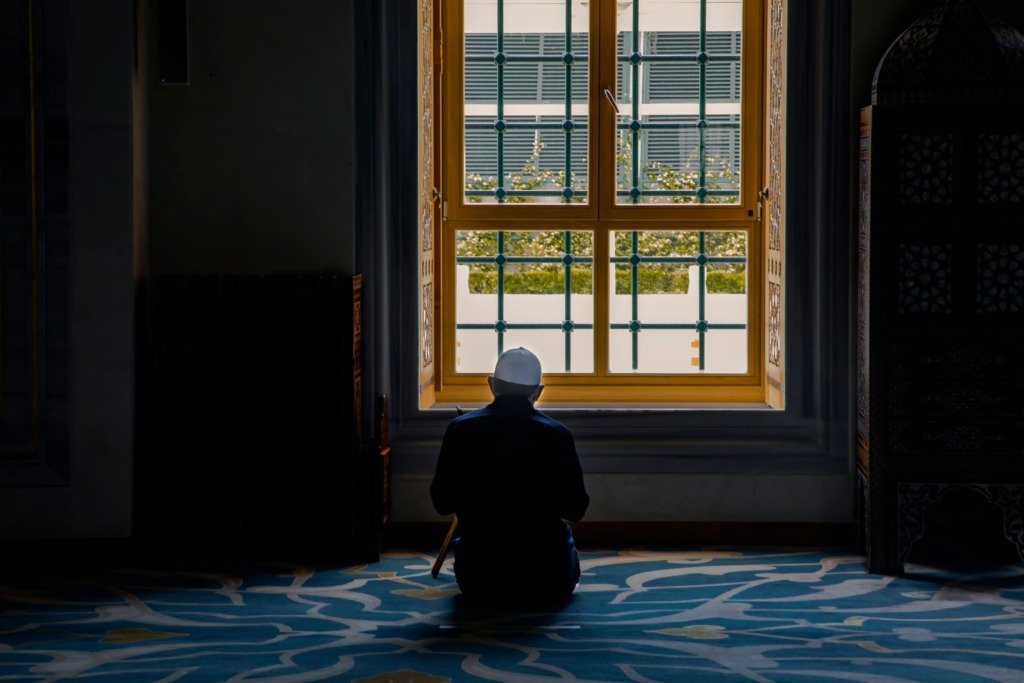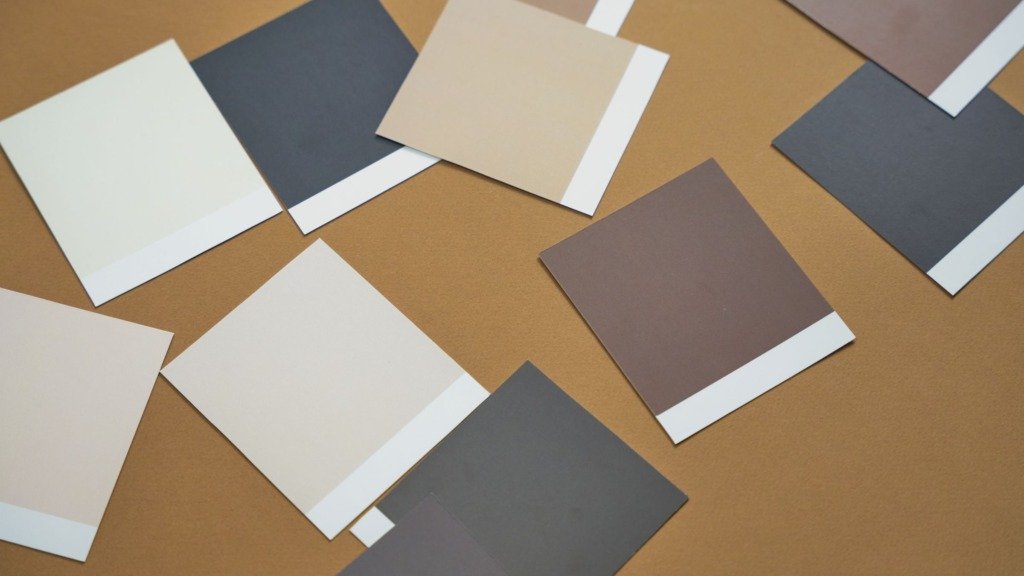
Paint colours for a Cairo home behave differently under this light than they do in a paint catalogue photographed somewhere greyer. Strong, direct sun for most of the day changes how a colour reads, often making it look brighter and warmer on the wall than it did in a sample book.
This is exactly the kind of decision our Residential Interiors team walks through with every Cairo client.
Why Paint Colours for a Cairo Home Look Different Than the Catalogue
Cool, muted tones that look sophisticated in northern light can read flat and grey under strong Cairo sun. Warm tones that might feel overwhelming somewhere with less daylight often settle into something calmer here, because the light itself is already warm. This is the single most common reason a colour chosen from a catalogue disappoints once it is on the wall.
How to Test a Colour Properly
- Paint a sample directly on the wall, not on paper taped to it, since paper reflects light differently than plaster
- Look at it at three points in the day: morning, midday and evening, since Cairo light shifts more than people expect across a single day
- Check it on the wall that actually receives the light, not a convenient wall nearby
- Live with the sample for at least three or four days before deciding
A colour is never really chosen in the shop. It is chosen on the wall, in your own light, over a few days. Everything before that is a guess, however educated.
A Simple Starting Point by Room
- Rooms with strong direct sun: cooler, more muted tones balance the warmth already in the light
- Rooms with little direct daylight: warmer tones prevent the space reading cold or flat
- North-facing rooms: warmer colours compensate for the cooler, more even light they receive
- Rooms used mainly in the evening: test the colour under the actual lamp light you will use, not daylight alone
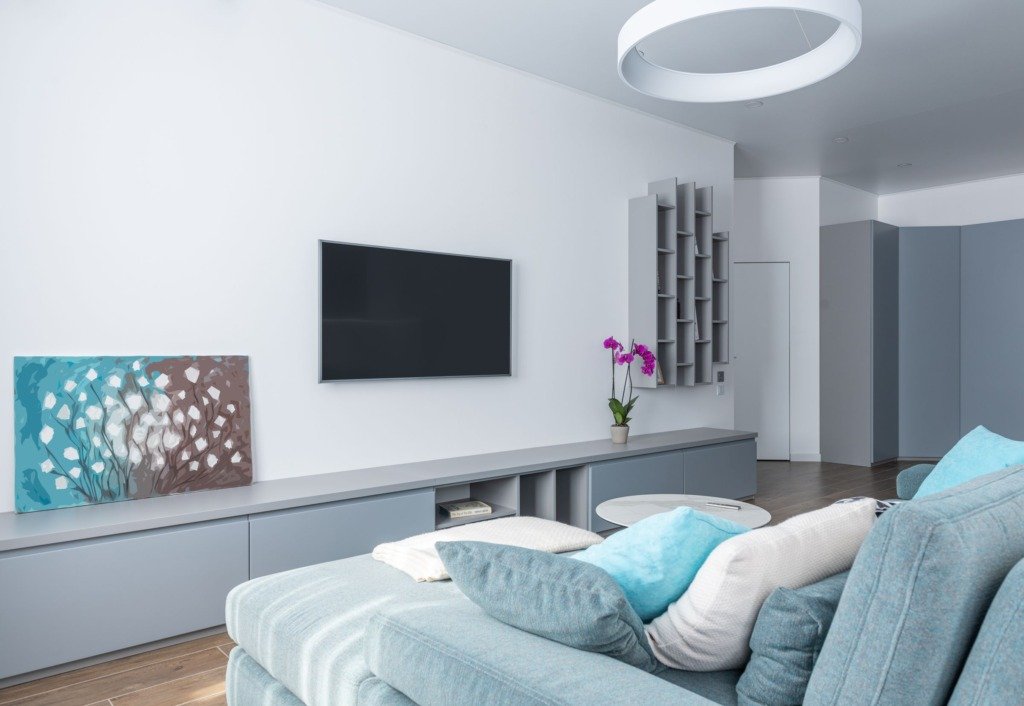
If you are weighing this alongside other choices, our guide to Choosing a Sofa That Will Actually Last in a Cairo Home is worth reading next.
Undertones Matter More Than the Colour Name
Two whites, two greys or two beiges from different ranges can carry completely different undertones; one leaning warm, one leaning cool, even with almost identical names on the tin. Under strong sun those undertones become more visible, not less, which is why a white that looked neutral in the shop can read faintly yellow or faintly blue once it is on a large wall at home.
Finish and Sheen Matter as Much as Colour
- Matte finishes hide wall imperfections but mark more easily and are harder to wipe clean
- Eggshell and satin finishes are a practical middle ground for most living spaces
- Semi-gloss and gloss suit trim, doors and areas that need frequent cleaning
- The same colour in a different sheen can look like two different shades under strong light
Ceilings Are Not Automatically White
A pure white ceiling under strong Cairo light can read colder than intended once the walls carry a warmer tone. A ceiling painted a soft, warm off-white, a shade or two lighter than the wall colour rather than a stark white, often ties a room together better than the reflexive default.
Testing Colour Against What Is Already Fixed
A wall colour is never chosen in isolation. Test it against the flooring, the kitchen cabinetry or the joinery that is already fixed and will not change, not against a blank white wall in a showroom. A colour that looks perfect on its own can clash the moment it sits next to a warm timber floor or a cool grey worktop that was chosen separately.
This matters most in a renovation where large fixed elements, a floor, a staircase, built-in joinery, already exist and are not being replaced. A new colour has to work with what is staying, not with an idealised empty room.
Planning the Order of Painting Work
Painting Belongs Near the End
Painting is best left until plastering, electrical work and joinery installation are finished, so that dust, scuffs and knocks do not spoil fresh walls. Choosing the colour early is sensible, but applying it should wait until the messy trades have left the room.
Prepare the Surface Properly
Cracks, uneven plaster and old patches show more under strong sun raking across a wall than under soft light. A good primer and a properly levelled surface make almost any colour look richer and more even, and the preparation deserves as much attention as the colour itself.
How Natural Light Changes Through the Year
Orientation Sets the Baseline
A room facing the sun for most of the day behaves very differently from one that receives only reflected light. Before comparing colours, note which way each window faces and when the brightest hours fall, because that tells you how much warmth the walls will already be carrying.
Seasons Change the Mood
Winter light sits lower and softer, while summer light is harsher and more overhead. A colour that feels calm in one season can feel heavier in another, so if possible look at your samples across different times of year before committing to a large area.
Indoor Lighting Changes Colour Too
Warm and Cool Bulbs
A warm bulb pulls walls towards yellow and cream, while a cool bulb pushes them towards grey and blue. Decide on the lighting temperature for each room first, then judge the sample under it in the evening, since that is when many living rooms and bedrooms are used most.
Surrounding Surfaces Reflect Colour
Light bounces off floors, rugs and large furniture before reaching the wall. A deep timber floor adds warmth to nearby paint, and a pale stone floor keeps it cleaner, so judge the sample in the room as it will be furnished, not in an empty shell.
Comparing Quotes and Paint Systems
Two painting quotes that look similar can describe very different work. When comparing them, check the following points so that you are comparing like with like.
- Whether wall preparation, filling and sanding are included or charged separately
- Whether a primer coat is part of the scope and which type
- How many finish coats are planned for each surface
- Who supplies the paint, and which range and sheen are specified
- How ceilings, trim and doors are treated compared with the walls
A lower quote that skips preparation or uses fewer coats usually shows up later as patchy walls, so it is worth asking each contractor to describe the system in writing before you compare.
Choosing Colour When You Are Not in Cairo
Many of our clients decide colours from abroad. Screens and printed brochures cannot show true colour, so we recommend having sample patches painted on the actual walls and photographed at different times of day, then reviewing them together with a studio designer before anything is ordered.
Frequently Asked Questions
Should I choose paint before or after furniture?
Ideally you decide the main furniture and flooring direction first, then select paint to suit them. Walls are easier to adjust than a sofa or a floor, so let the fixed and expensive pieces lead.
Is white always the safest choice?
Not necessarily. Whites carry strong undertones, and under bright sun a poorly chosen white can look yellow or cold. A soft warm off white is often more forgiving.
Can I use a dark colour in a bright room?
Yes, and strong light can make a deep colour look rich rather than heavy. Test it on the wall first and keep the ceiling and trim lighter to hold the room together.
Why does my sample look different from the final wall?
A small patch is surrounded by the old colour and lit differently from a full wall. A larger sample, viewed away from other colours, gives a more honest impression.
Do I need a designer to choose colours?
Not always, but a designer helps you see how colour, light, flooring and furniture work together, which is where most disappointments begin.
Buy the smallest sample size available and paint an actual wall before you buy a single extra litre. The cost of a full room in the wrong colour is never worth the day saved by skipping the test.
Colour direction is part of the material and finish planning built into Residential Interiors, and Bedroom Concept Studies went through several on-wall tests before settling on its final palette. For how other finishes are chosen to work with this same light and climate, Interior Finishes That Age Well In Cairo covers the same reasoning applied more broadly. Wikipedia’s overview of colour theory is a useful primer on why warm and cool tones behave so differently under different light.

Free guide
Choosing Materials That Last in a Cairo Home
Leave your details and we will email you the guide on this subject straight away.
One guide, no repeat mailings.
Your guide is on its way
Check your inbox in a few minutes. If it is not there, look in your spam folder.