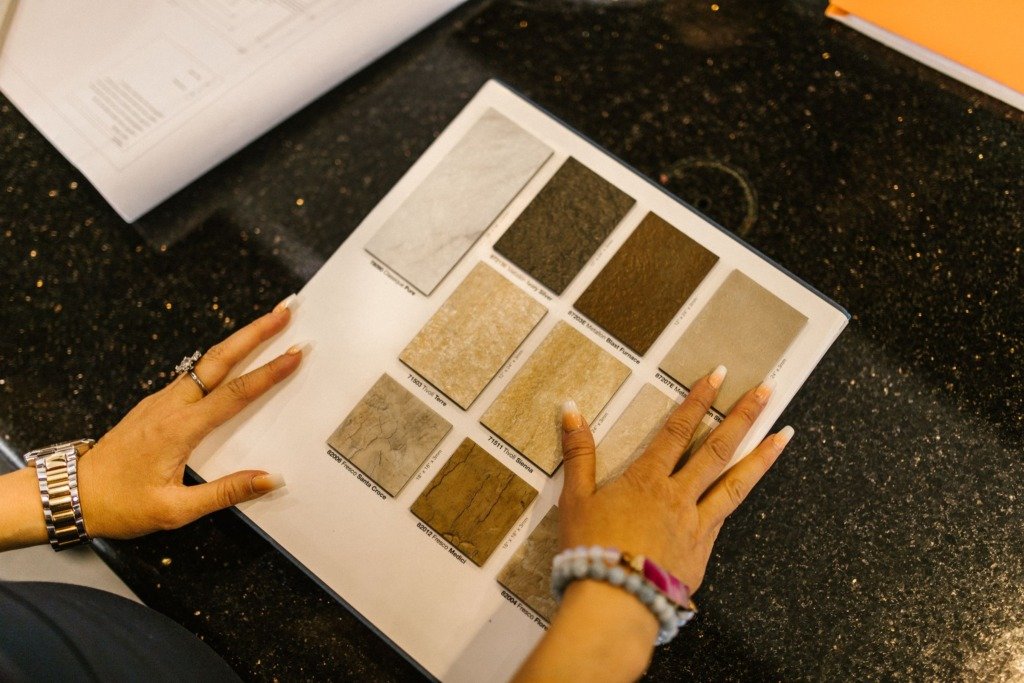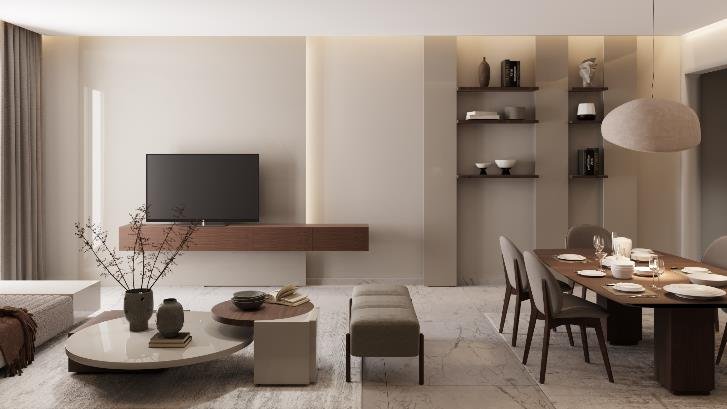
A kitchen chosen by cabinet colour and countertop first is a kitchen designed backwards. Ventilation, layout and material durability decide whether it still looks good after two years of real cooking, long before colour enters the conversation.
The Separate Prep Kitchen, Explained
Many Saudi homes benefit from a second, smaller prep kitchen behind the main show kitchen, used for heavier daily cooking and strong-smelling dishes, keeping the main kitchen presentable for guests. This is a layout decision made at the design stage, not something added later, since it needs its own plumbing and ventilation run.
Materials That Hold Up
- Quartz or granite countertops over natural marble in daily-use zones, since marble stains and etches with regular cooking
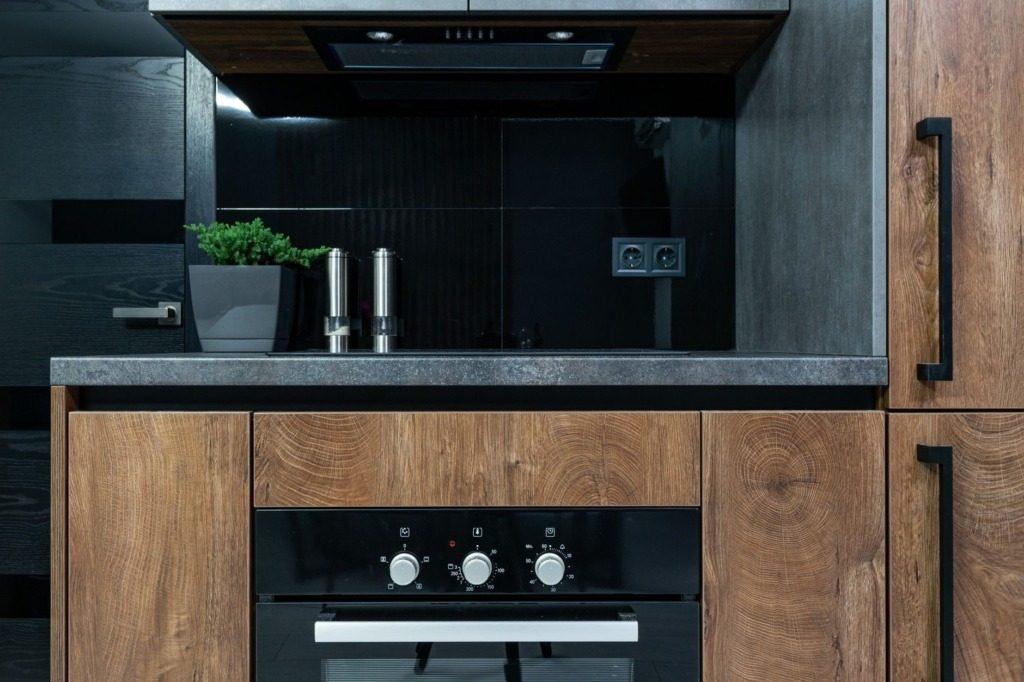
- Matte or textured cabinet finishes in high-touch areas, which hide fingerprints and daily wear better than high-gloss
- Commercial-grade extraction, sized for the cooking style of the household, not the smallest unit that fits the space
- Durable, easy-clean flooring that extends from the main kitchen into any prep kitchen without a jarring material change
Ventilation Is Not Optional
Undersized extraction is the single most common kitchen regret reported after move-in. Sizing the hood and ducting for actual cooking habits, not the minimum the appliance package includes, prevents lingering odours from reaching the majlis and living areas.
A kitchen is judged after two years of real cooking, not on the day the photos are taken.
Layout Before Appliances
The classic work-triangle logic, sink, stove and refrigerator in efficient reach of each other, still holds and gets ignored more often than it should, usually because appliances were chosen and placed before the layout was actually drawn.
Where a Designer’s Input Pays for Itself
A Residential Interiors typically saves the most money in exactly this room, since a kitchen layout mistake is expensive to fix after installation and cheap to catch on a drawing.
Planning the Kitchen Around the Household
Cooking habits decide the layout
Start by describing how the household really cooks. Daily family meals, large gatherings for guests and heavy frying or grilling each place different demands on the layout, the extraction and the storage. A kitchen planned for how you actually cook feels easy to use, while one planned from a catalogue picture rarely does.
Serving and hosting flow
Think about how food travels from the stove to the majlis or dining room. A clear route that does not cross the family living area keeps hosting calm. If a prep kitchen is part of the plan, decide where trays are staged and where used dishes return.
Storage for bulk and pantry items
Many households buy food in larger quantities and keep many serving sets for guests. Tall pantry units, deep drawers and a dedicated place for large pots save the counters from clutter. Count what you own before the joinery is drawn, not after.
Joinery, Hardware and Worktops
Cabinet boxes and moisture
The cabinet box matters more than the door colour. Moisture near the sink and the dishwasher is the usual cause of swollen panels, so ask what the boxes are made from and how the edges near water are sealed. A good door on a weak box is money spent in the wrong place.
Hinges and drawer runners
Hinges and drawer runners are used many times every day, so quality shows up here first. Soft closing, full extension runners and sturdy handles are small line items that decide how the kitchen feels after months of use. Ask for the hardware type to be named in the quote.
Worktop edges, joints and splashbacks
Check where worktop pieces join, how the edge is finished and what protects the wall behind the hob and sink. These are the places where water and heat do their damage first. A continuous splashback behind the cooking area is easier to wipe clean than tiles with many joints.
Heat, Dust and Humidity in a Saudi Home
Heat from windows and appliances
A kitchen with a sun facing window or a tall oven wall collects heat. Keep delicate finishes away from direct sun, leave breathing space around the fridge and plan cooling so the room stays comfortable while cooking. Ventilation and air conditioning should be discussed together, not as separate jobs.
Dust and sealing
Dust finds every gap. Cabinets that run to the ceiling, or that are closed off with a neat panel, give dust fewer places to settle than open tops. Good seals around windows and doors also protect the kitchen from the dust that travels into the house.
Cleaning as a design decision
Choose surfaces you are willing to clean every day. Deep grooves and fine ornament look beautiful in a showroom and become a chore in a working kitchen. Simple profiles and few joints keep upkeep light.
Lighting, Power and Plumbing Points
Light where you work
Ceiling lights alone leave shadows over the worktop. Add light under the wall cabinets so the cook is never working in their own shadow, and keep a softer layer for the evenings when the kitchen is part of the room.
Sockets for the appliances you really use
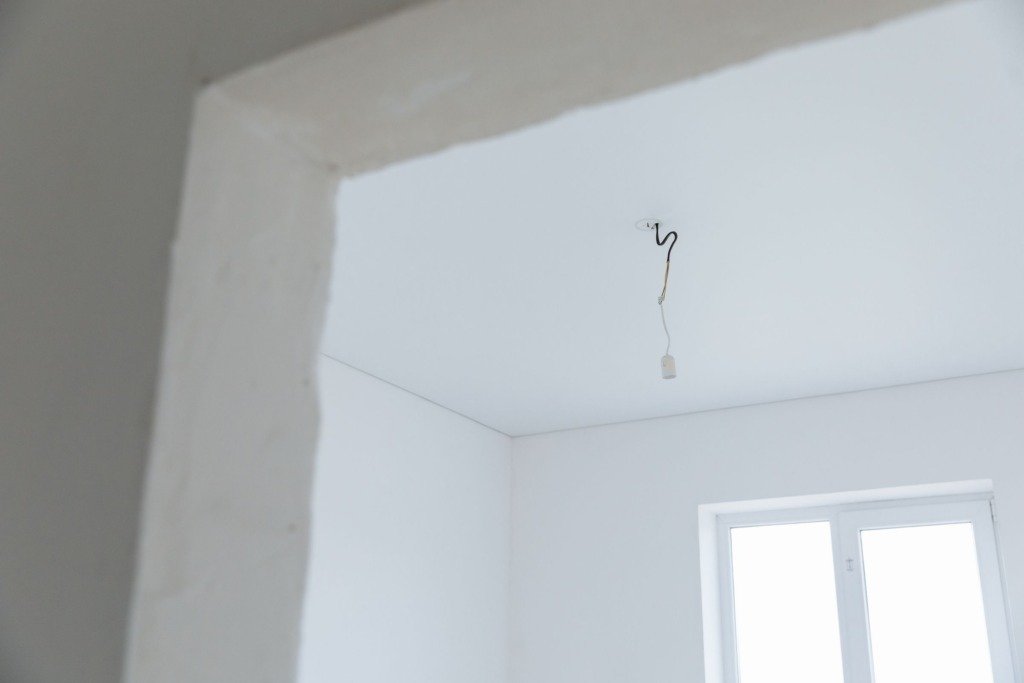
List every appliance, from the coffee machine to the blender and the rice cooker, and give each a socket at a sensible height. Extra sockets are easy to add on a drawing and annoying to add after the walls are finished.
Fixing water and drain positions early
The sink, the dishwasher and any prep kitchen need water and drainage in exact positions. Moving them later means opening floors and walls. Confirm these points with your contractor against the final layout drawing before any tiling starts.
Ordering, Quotes and Working Remotely
Drawings before ordering
A kitchen should be ordered from approved drawings that show every cabinet, appliance and service point with measurements. Ask the supplier to confirm the drawings against the finished site measurements, not the plan alone.
Comparing kitchen quotes
Quotes from different suppliers are only comparable when they list the same things: box material, door finish, hardware, worktop, extraction and installation. A short quote that leaves out installation or extraction is not cheaper, it is simply incomplete.
Site checks with a local contractor
When the design is done remotely, photos and short videos from site at each stage let the studio check positions before they are covered. A local contractor who sends clear updates makes the whole process calmer, and any mistake is caught while it is still easy to fix.
Lead times and delivery
Custom joinery, worktops and imported appliances do not all arrive together. Ask each supplier for a delivery schedule in writing and plan the installation order around the slowest item, so the site is never waiting for one missing piece.
Frequently Asked Questions
Do I need a separate prep kitchen?
Not always. It helps when the household cooks heavily every day or often hosts, because it keeps smells and mess away from the main kitchen. It needs space, water and ventilation, so decide early.
Which worktop is best for daily cooking?
Quartz and granite handle daily cooking better than natural marble, which stains and etches. The right choice also depends on the look you want and the care you are happy to give it.
Should the kitchen be open or closed?
Closed or semi closed kitchens suit homes that cook strongly flavoured food and host formally. An open kitchen needs very strong extraction. Choose the layout that matches how the household lives, not a trend.
When should I confirm the appliances?
Before the cabinets are drawn. Appliance sizes decide the cabinet openings and the services behind them, so choosing them late forces changes to work already approved.
Can the kitchen be designed without visiting site?
Yes, with a measured survey from a local surveyor and regular site photos. The studio draws the layout and details, and your contractor builds from them.
Confirm the ventilation capacity and the prep-kitchen decision before choosing a single cabinet finish. Both are expensive to change after installation and nearly free to decide correctly on paper.

Free guide
Choosing Materials That Last in a Saudi Home
Leave your details and we will email you the guide on this subject straight away.
One guide, no repeat mailings.
Your guide is on its way
Check your inbox in a few minutes. If it is not there, look in your spam folder.