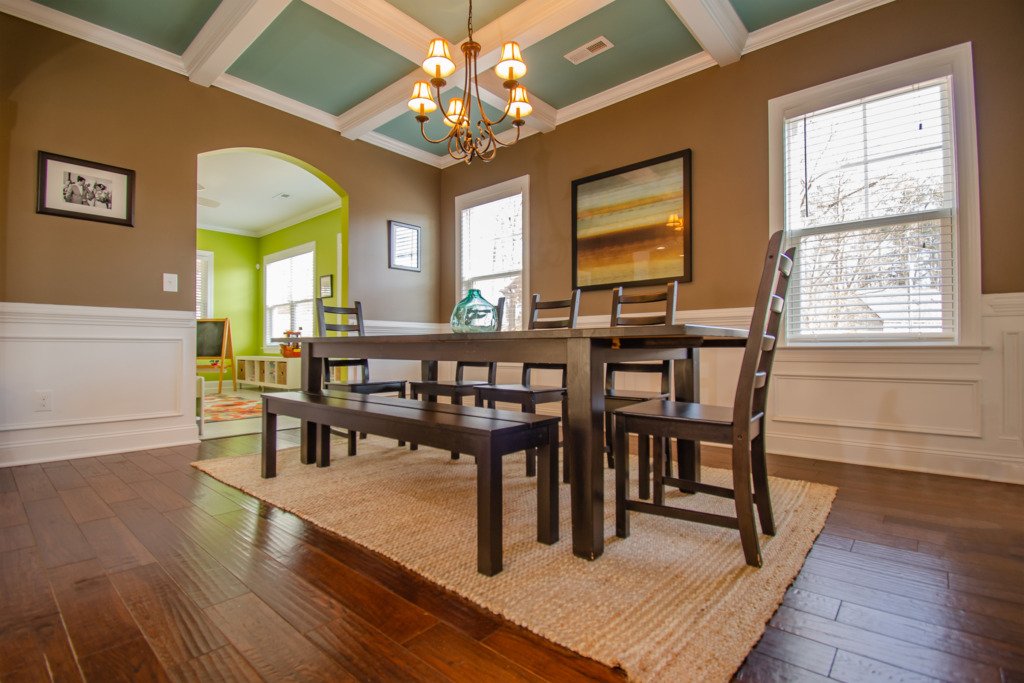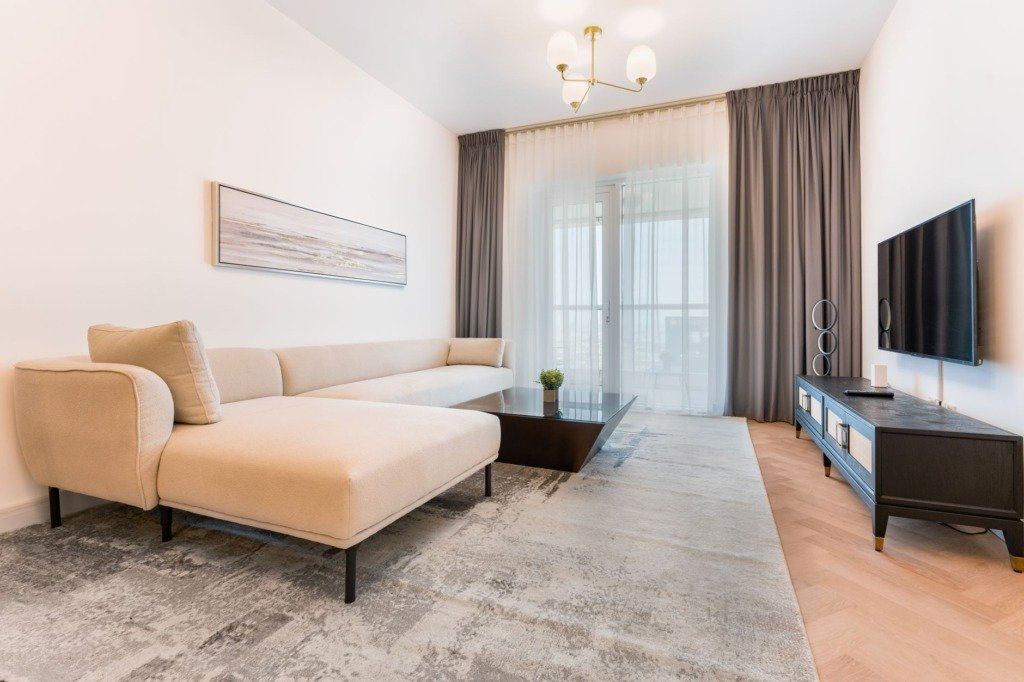
Mivida holds two very different kinds of home inside one gated address, and the fee conversation should start by naming which one applies. A park-facing apartment in one of the residential clusters is a contained scope. A standalone villa a short walk away, with its own garden and service area, is a materially larger one, even though both sit inside the same compound name.
Why the cluster matters as much as the size
Buyers often approach the fee question as if Mivida were one product with one price. In practice an apartment brief and a villa brief inside the same compound rarely share a budget bracket, because the villa adds a garden, a service area, and trades the apartment simply does not have.
What actually changes the fee here
- Which cluster, apartment or villa, since that decides the scope before anything else is discussed
- Handover condition, since Mivida units vary in what is included at handover and that should be confirmed before comparing any two numbers
- Garden and outdoor space, which applies to villas and some ground floor apartments but not to most units, and should be priced accordingly
- Family brief complexity, since Mivida is bought heavily by families and a brief covering children’s rooms and shared space differs from a couple’s apartment
Reading a Mivida quote properly
Confirm the exact unit type and cluster a quote was priced against before comparing it to another. Two quotes for the same total budget can represent very different actual scopes if one assumed an apartment and the other a villa.
Two homes can share the same compound name and still need two entirely different conversations about cost.
Where the fee is worth it
Whichever cluster you are in, the fee that gets the layout and services right on the drawing prevents exactly the kind of rework that costs far more once trades are already on site.
Defining the brief before the fee
Name the unit type first
Say plainly whether the home is an apartment or a villa, and which cluster it belongs to. Everything else follows from that answer: the rooms involved, the services, whether a garden is part of the work and how many trades will be on site at once.
Write down what is handed over
Handover condition varies between units, so list what is already in place: floors, kitchen, bathrooms, air conditioning and lighting. A designer can only price the remaining work properly when the starting point is clear.
Separate needs from wishes
Divide your list into what the household cannot live without and what would be welcome if the scope allows. This gives the studio a way to phase the work and keeps the first conversation about priorities rather than totals.
Designing for a family home
Children rooms that can grow
The needs of children change quickly, so the joinery and furniture in their rooms should adapt. A calm base with storage that can be reorganised lasts longer than a scheme built around one age, and it saves rebuilding the room again and again.
Shared space that survives daily use
The family room is where spills, homework and guests all meet. Choose washable fabrics, hard wearing floors and furniture with rounded edges, and place seating so the room still works when everyone is home at once.
Storage near the entrance and the kitchen
Bags, shoes, sports kit and school items arrive through the front door every day. A generous storage point there, and a well planned pantry near the kitchen, keep the main rooms tidy without constant effort.
How villa and apartment planning differ
What a villa adds to the scope
A villa brings a garden, a service area, stairs and often more floors. Each adds rooms to design and trades to coordinate. The service area deserves real attention, because household routines depend on it working quietly in the background.
What an apartment asks for
An apartment has a fixed floor area, so the work is about using it well. Decisions about layout, light and storage are made once and affect every room, which keeps the scope contained and easier to plan in a clear order.
Apartments that open onto outdoor space
Where an apartment has outdoor space, treat it as part of the brief. Decide early how it connects to the living area, how it is shaded and whether it needs its own storage for cushions and tools.
Materials, climate and upkeep
Choosing for sun and heat
Large windows bring welcome light and strong glare. Think about shading, fabrics that resist fading and finishes that stay stable in heat. Rooms facing the sun need different choices from rooms that stay in shade.
Outdoor materials need their own specification
Anything outside meets sun, dust and water. Garden furniture, flooring and joinery should be chosen for exposure rather than for how they look in a showroom, and fixings should suit the same conditions.
Think about upkeep from the start
Ask who will clean and maintain each surface. A beautiful finish that needs constant care becomes a burden in a busy family home. The best specification is one the household can look after without effort.
Comparing quotes with care
Put the unit type at the top of every quote
Each quote should state the unit type, the cluster and the handover condition it assumes. With the same starting point written down, the numbers can finally be compared fairly.
See what drawings come with the fee
Layouts, electrical plans, joinery details and a finishes schedule are what let contractors price the same thing. A fee that includes them removes much of the guesswork later on site.
Ask how site visits and supervision are covered
A design that is not followed on site loses its detail. Ask whether visits are included, how often the designer attends and how questions from the contractor are answered between visits.
Planning ahead and working with the studio
Allow for made to measure items
Joinery, curtains and custom furniture are made after measuring, so they follow the state of the walls and floors. Lead times vary with the workshop and the finish, so decisions taken early protect the whole programme.
Start by message and photographs
The studio is based in Cairo and works on site in New Cairo. Sending a plan, photographs of each room and a short note about the household is a simple way to begin before any visit is arranged.
Frequently Asked Questions
Does an apartment need a different brief from a villa?
Yes. A villa adds a garden, a service area and more trades, so the scope and the conversation about cost are different even when the compound is the same.
What should I confirm before comparing two quotes?
Confirm the unit type, the cluster and what was handed over, because quotes built on different assumptions cannot be compared fairly.
How do I plan a home with young children?
Choose durable surfaces, flexible storage and furniture that can change as the children grow. Keep the main rooms easy to clean and let the children rooms adapt over time.
Can I start with a consultation?
Yes. A consultation helps you clarify your own scope before comparing quotes, and a full design can follow if you decide to continue.
Do outdoor areas change the brief?
They do. A garden or terrace becomes another room to plan, with its own materials, shading and storage, and it should be discussed from the first conversation.
Confirm which cluster, apartment or villa, a Mivida quote was actually priced against. That single fact explains most of the spread between two numbers.
Consultation is a sensible way to clarify your own scope before comparing quotes, and Villa Basement Spa & Pool shows the same approach in a finished home. Interior Designer Cost in New Cairo: What Shapes the Fee in 2026 covers the fee picture across New Cairo as a whole.

Free guide
What Interior Design Really Costs in New Cairo
Leave your details and we will email you the guide on this subject straight away.
One guide, no repeat mailings.
Your guide is on its way
Check your inbox in a few minutes. If it is not there, look in your spam folder.