Damietta furniture vs custom furniture is a decision nearly every Cairo household making a serious furniture purchase eventually faces, because Damietta, Egypt’s furniture manufacturing hub on the Mediterranean coast, produces a huge share of what fills local showrooms, and it is genuinely good, but it is not automatically the right choice for every single room in the home.
Helping a client figure out which pieces are worth going custom on, and which are better bought ready-made, is a conversation Residential Interiors has on almost every project, because the honest answer is almost never all one or the other.
What Damietta Furniture Actually Means
Damietta has produced furniture for generations, and the city’s workshops range from small family operations to large factories supplying showrooms across Cairo, Alexandria, and the Gulf. Craftsmanship quality varies enormously between workshops, but the manufacturing base is deep, skilled, and genuinely competitive on classic and semi-custom pieces.
When people say Damietta furniture, they usually mean two overlapping things: a piece actually made in a Damietta workshop, and more loosely, any ready-made showroom furniture built to a standard design rather than to a specific client’s drawing. Some showrooms in Cairo sell Damietta-made stock directly, others use Damietta workshops as manufacturers for their own in-house designs, so the label on the showroom floor doesn’t always tell you exactly who built the piece or to what standard.
Where Damietta Ready-Made Genuinely Wins
For standard-sized pieces in traditional or transitional styles, a dining set, a bedroom suite, a classic sofa frame, Damietta workshops deliver strong value and fast turnaround, because the piece already exists in some form and only needs finishing or minor adjustment to your order.
Damietta Furniture vs Custom Furniture: What Custom Actually Buys You
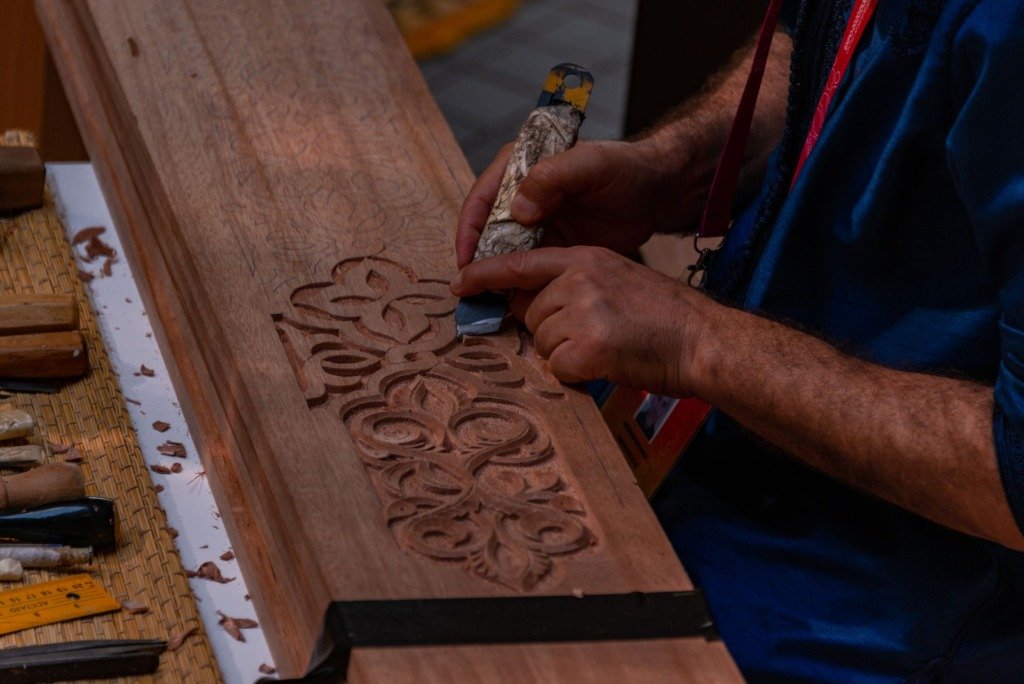
Damietta furniture vs custom furniture stops being a simple cost comparison the moment your space has an unusual dimension, an awkward corner, or a specific material or proportion the client actually cares about. Custom buys you exact fit, a choice of every material and finish, and a piece designed for how the room is actually used rather than adapted to fit it afterward.
Cost: The Gap Is Smaller Than People Assume
Damietta ready-made is not always dramatically cheaper once you account for a genuinely comparable level of materials and joinery. The real price gap widens on complex custom pieces, built-in furniture, or anything requiring imported materials, but on a standard sofa or dining table, a well-made Damietta piece and an entry-level custom piece can land closer together than most people expect going in. If you’re sizing up a dining set specifically, our Choosing a Dining Table for a Cairo Home piece walks through the material and proportion questions that apply either way.
The cheapest Damietta piece and the most expensive custom piece are not actually the comparison most households need to make. The real comparison is a well-made version of each.
Lead Time: Weeks vs Months
This is where the two paths diverge most clearly. A Damietta piece, especially something close to a workshop’s existing design, can often be ready in a matter of weeks. A fully custom piece, particularly anything requiring imported fabric or hardware, realistically runs into months once design, sourcing, and production are all accounted for.
- Damietta ready-made: typically weeks, faster for standard sizes and styles
- Custom, local materials: usually four to eight weeks depending on complexity
- Custom with imported fabric or hardware: often two to four months
- Built-in custom furniture: tied to the broader fit-out timeline, not a standalone order
Quality Control: Showroom Piece vs Made-to-Order
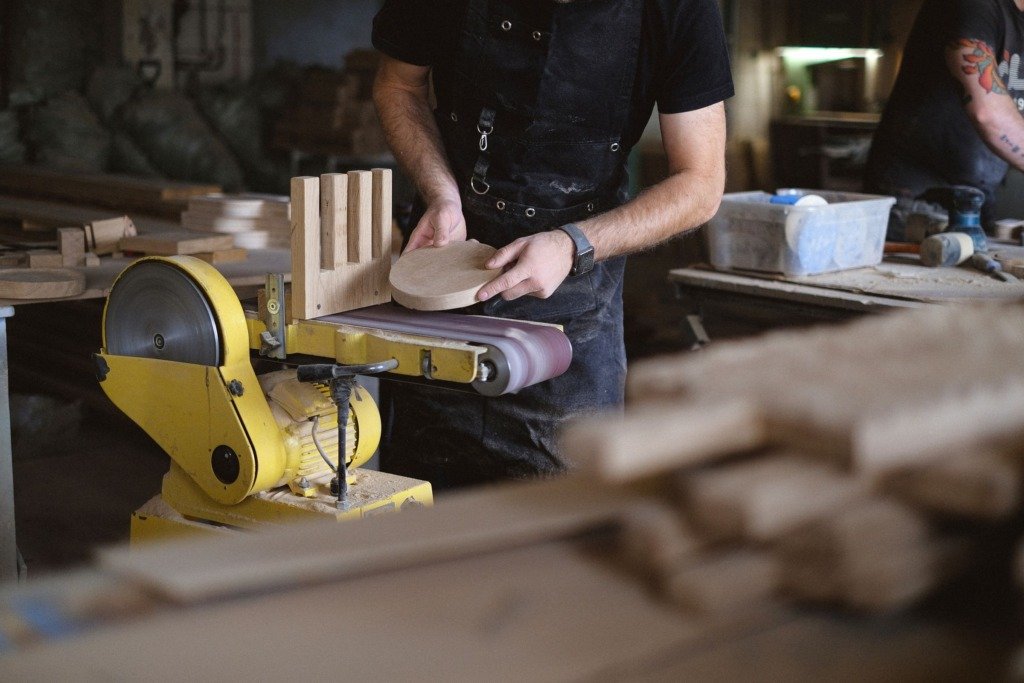
A Damietta showroom piece can be inspected in person before you buy it, which is a real advantage. A custom piece asks you to trust a workshop and a drawing before the piece exists, which is why working through a designer who reviews shop drawings and visits the workshop during production matters more on custom orders than on anything bought off a showroom floor.
Where We Land: Mixing Both in the Same Home
Most of the homes we furnish end up mixing both, Damietta or another ready-made source for straightforward pieces bought in volume, custom for the handful of pieces where dimension, material, or design genuinely matters enough to justify the wait and the cost.
A typical New Cairo or Sheikh Zayed villa we work on might have ready-made Damietta pieces in the bedrooms and a guest room, alongside a fully custom kitchen, a built-in media wall, and one or two statement pieces in the main living area. The split isn’t about budget alone, it’s about which rooms and which pieces actually benefit from a custom fit versus which ones don’t need it.
Questions to Ask Before You Choose
Who Actually Builds the Piece
Ask the showroom whether the piece is made in its own workshop, by a partner workshop or bought in from elsewhere. The answer tells you who to hold responsible if something needs adjusting later.
What the Frame Is Made Of
Ask about the type of timber, the joinery method and the finish system. Solid frames with proper joints last longer than panels held together by glue and staples alone, whichever route you take.
Rooms Where Custom Usually Pays Off
Kitchens and Built In Storage
Fixed storage has to follow the walls, pipes and openings of your particular home, so a ready made unit rarely fits well. This is the clearest case for going custom.
Media Walls and Entrance Furniture
Pieces that sit against the architecture, such as a television wall, a shoe cabinet or a console in a narrow hallway, benefit from exact dimensions. A few centimetres either way can decide whether a door opens properly.
Rooms Where Ready Made Is Often Enough
Guest Rooms and Childrens Bedrooms
These rooms change over the years. Standard beds and wardrobes are easy to replace, so there is little reason to commission something bespoke that will be outgrown or rearranged.
Dining Chairs and Occasional Pieces
Chairs, side tables and stools can be sat in, lifted and inspected in the showroom before you buy. That is a real advantage over ordering from a drawing.
Planning the Order of Purchases
Decide the custom pieces first, because they take longest and set the dimensions everything else must respect. Choose ready made pieces afterwards to match the finishes, and leave textiles for last.
- Measure rooms and openings, including lift and stair access
- Confirm which pieces will be custom
- Place custom orders early
- Choose ready made pieces to match the chosen finishes
- Leave time for delivery and a final inspection
Ordering From Abroad
Many households furnishing a Cairo home are not in Egypt while the work happens. In that case a designer can review drawings, check finish samples and visit workshops on your behalf, sending photographs so you can approve each stage.
Frequently Asked Questions
Is Damietta furniture good quality?
Quality varies between workshops, so inspect the joinery and finish before ordering.
Can I mix custom and ready made pieces in one room?
Yes, as long as the tones, finishes and proportions are matched carefully.
Does custom furniture always take longer?
Usually, because design, sampling and production all come after the order is placed.
Should I see a sample before ordering custom furniture?
Yes. Ask for finish samples and shop drawings, and approve them in writing before production begins.
Go custom where fit and material actually matter to you, and buy ready-made everywhere else, rather than treating either path as the default for the whole home.
Figuring out which pieces in a given Villa Basement Spa & Pool deserve that custom investment, and which are better sourced ready-made, is exactly the kind of call Residential Interiors makes room by room, and it pairs naturally with how we think about textiles too, covered in more detail in our Choosing a Rug for a Cairo Home piece.

Free guide
Choosing Materials That Last in a Cairo Home
Leave your details and we will email you the guide on this subject straight away.
One guide, no repeat mailings.
Your guide is on its way
Check your inbox in a few minutes. If it is not there, look in your spam folder.